Attractions in Barcelona
284 places
Listings
-
Anella Olímpica de Montjuïc
- el Poble-sec
L’Anella Olímpica de Montjuïc is a prominent sports complex that was built as the main venue for the Barcelona 1992 Olympic Games.
-
Antiga Fàbrica Estrella Damm
- la Sagrada Família
- Museums
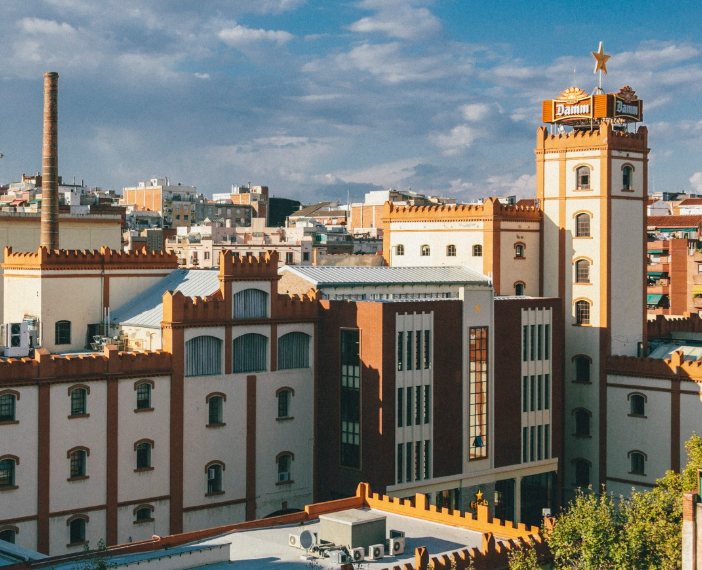
Antiga Fàbrica Estrella Damm is a landmark venue located in Barcelona, which previously operated as the old brewery of the well-known Estrella Damm beer. Now transformed into a centre for cultural and gastronomic activities, it offers a unique experience for visitors.
-
L'Arc de Triomf
- Sant Pere, Santa Caterina i la Ribera
L'Arc de Triomf is a monumental structure located in the heart of the city, near Parc de la Ciutadella and on Passeig de Lluís Companys. This impressive arch is one of the architectural icons of Barcelona and an important historical and cultural symbol.
-
Espacio cultural «Ateneu Barcelonès»
- el Barri Gòtic
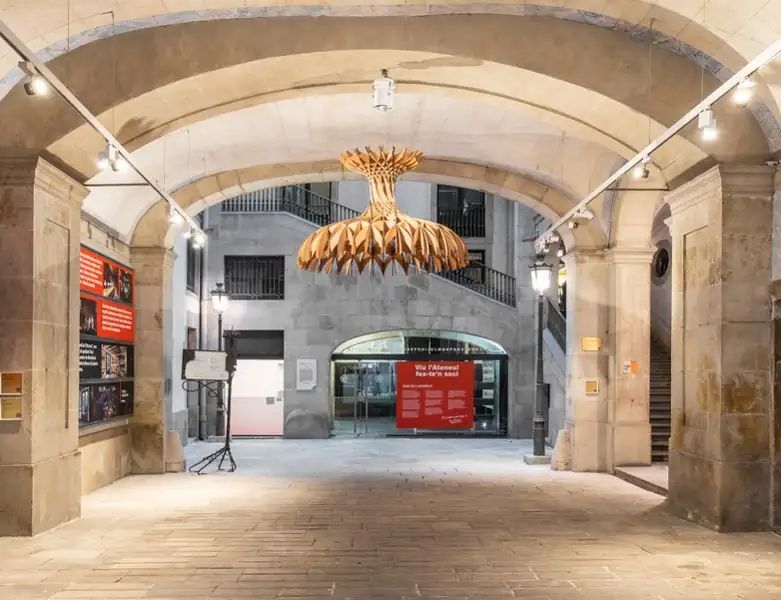
For more than a century and a half, Ateneu Barcelonès has been one of the great refuges of Barcelona's cultural and intellectual life. Hidden in the very heart of the city, behind the everyday bustle of the Gothic Quarter, the historic Palau Savassona opens its doors to a space where time seems to pass at a different pace.
-
Badalona
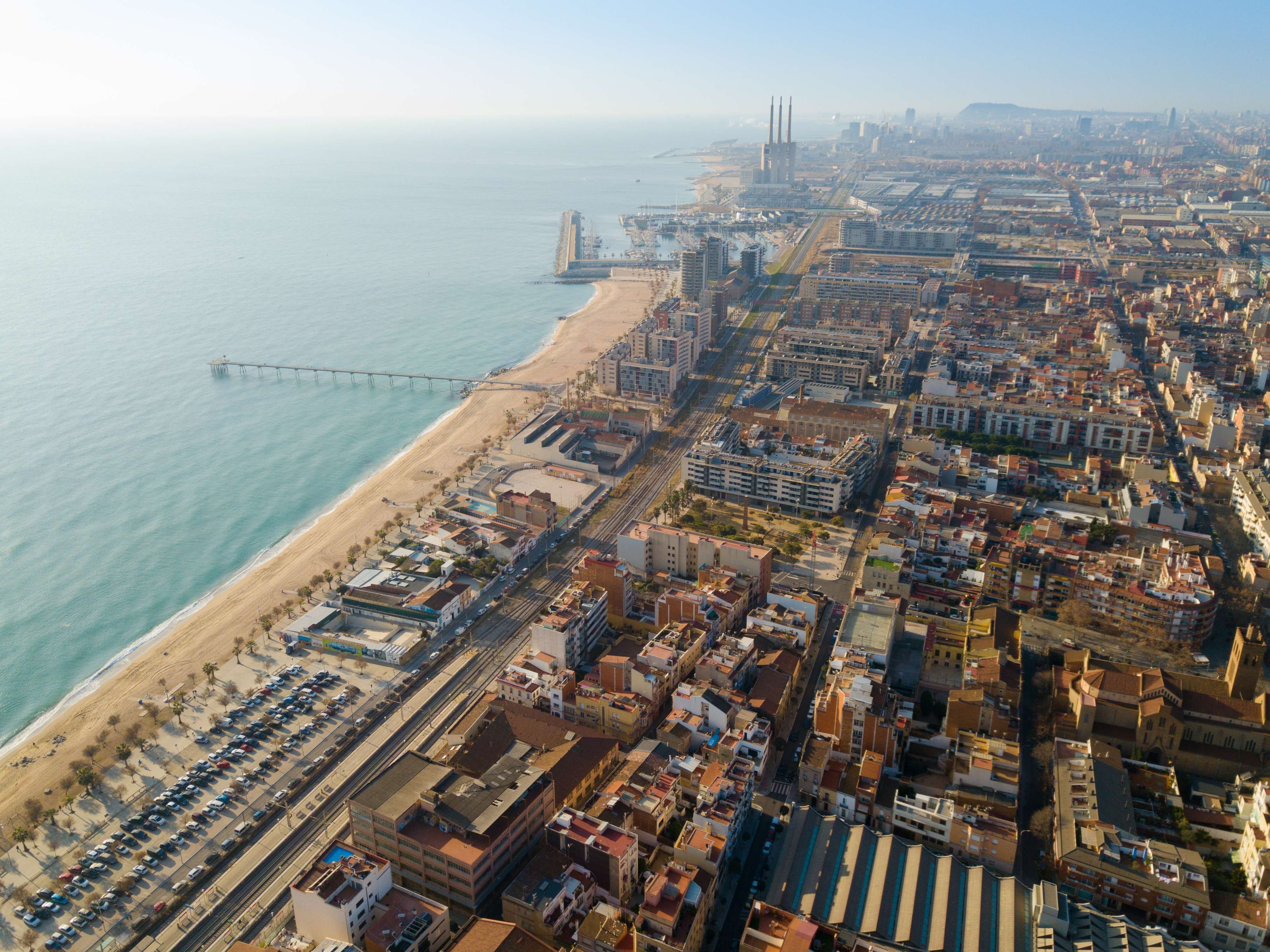
A sea-and-mountain destination that will at least leave a good taste in your mouth. With countless plans to make, Badalona is the perfect choice for your holiday.
-
Basílica de la Mercè
- el Barri Gòtic
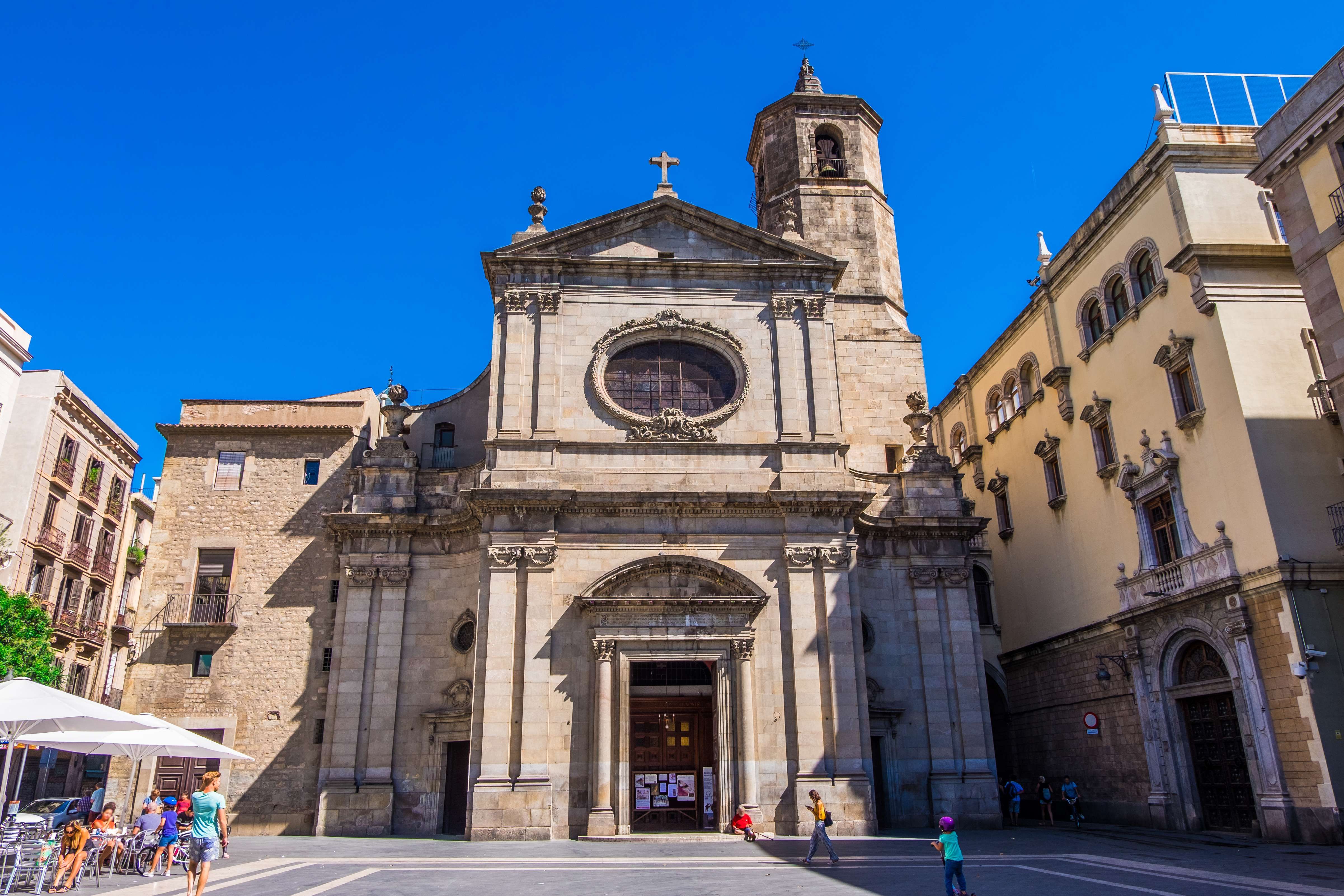
Basílica de Nuestra Señora de la Merced y San Miguel Arcángel, a Baroque church located in Barcelona’s Barrio Gótico, invites you to nourish yourself with history by exploring its facilities.
-
Basílica de Santa Maria del Mar
- Sant Pere, Santa Caterina i la Ribera
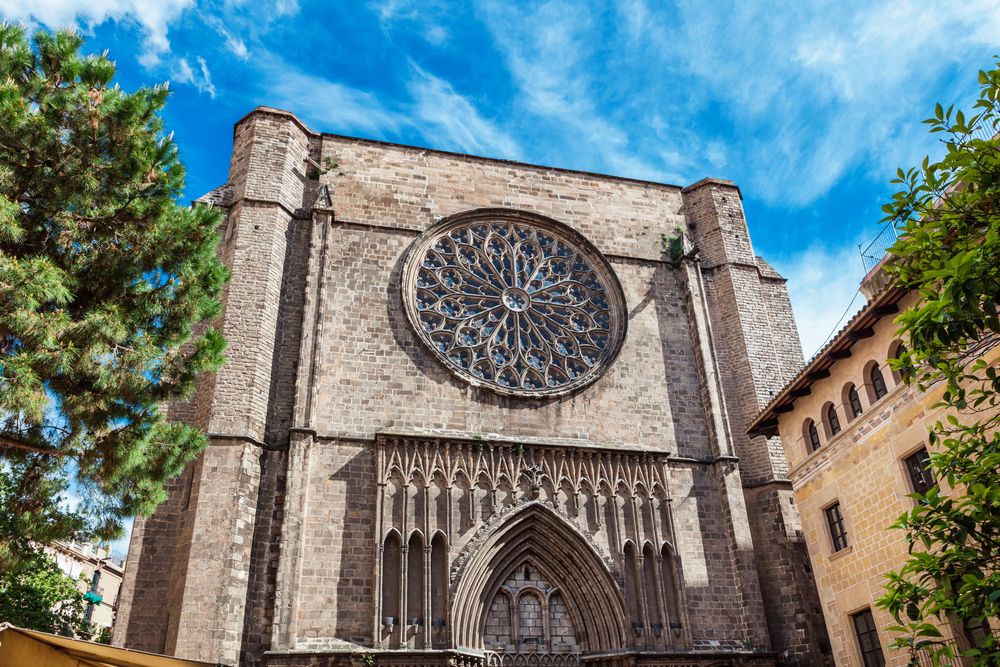
Walking through the corridors of religious buildings such as the Basílica de Santa María del Mar is a spiritual experience. Its calm atmosphere invites reflection and contemplation. Every corner and every chapel tells a story, and it is impossible not to marvel at so much beauty.
-
Torre Bellesguard
- Sant Gervasi - la Bonanova
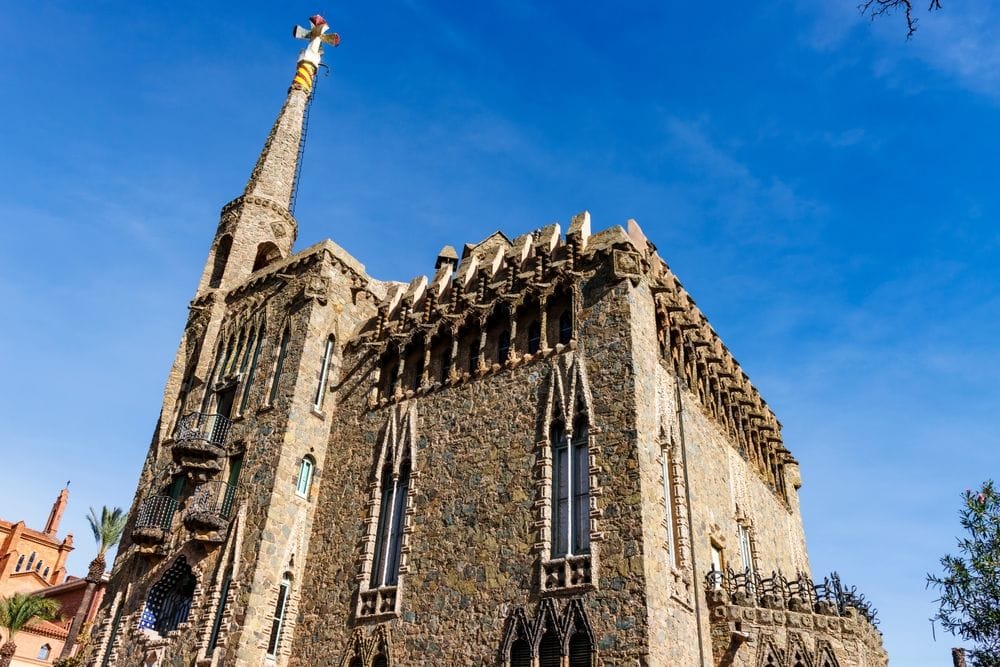
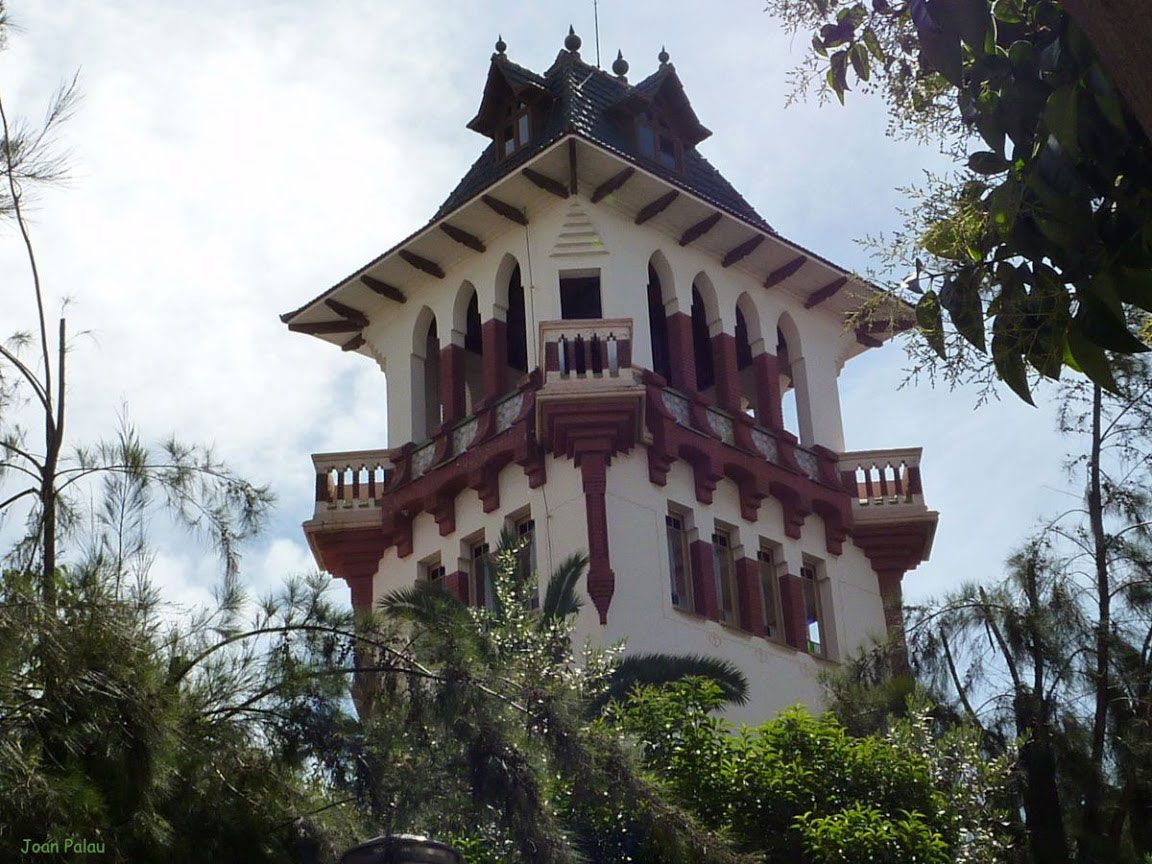
Torre Bellesguard, also known as Casa Figueras, is a work by Antoni Gaudí that combines Modernisme and medieval elements inspired by an ancient castle. Its name, which evokes a “beautiful view”, offers unique panoramas of the city. This building, rich in symbolism and Catalan history, is a lesser-known but fascinating example of Gaudí’s genius, making it a hidden treasure to explore.
-
Spotify Camp Nou
- la Maternitat i Sant Ramon
Camp Nou, or Spotify Camp Nou, is the iconic stadium of Fútbol Club Barcelona, one of the world’s most recognised and successful football clubs.
-
Casa Amatller
- la Dreta de l'Eixample
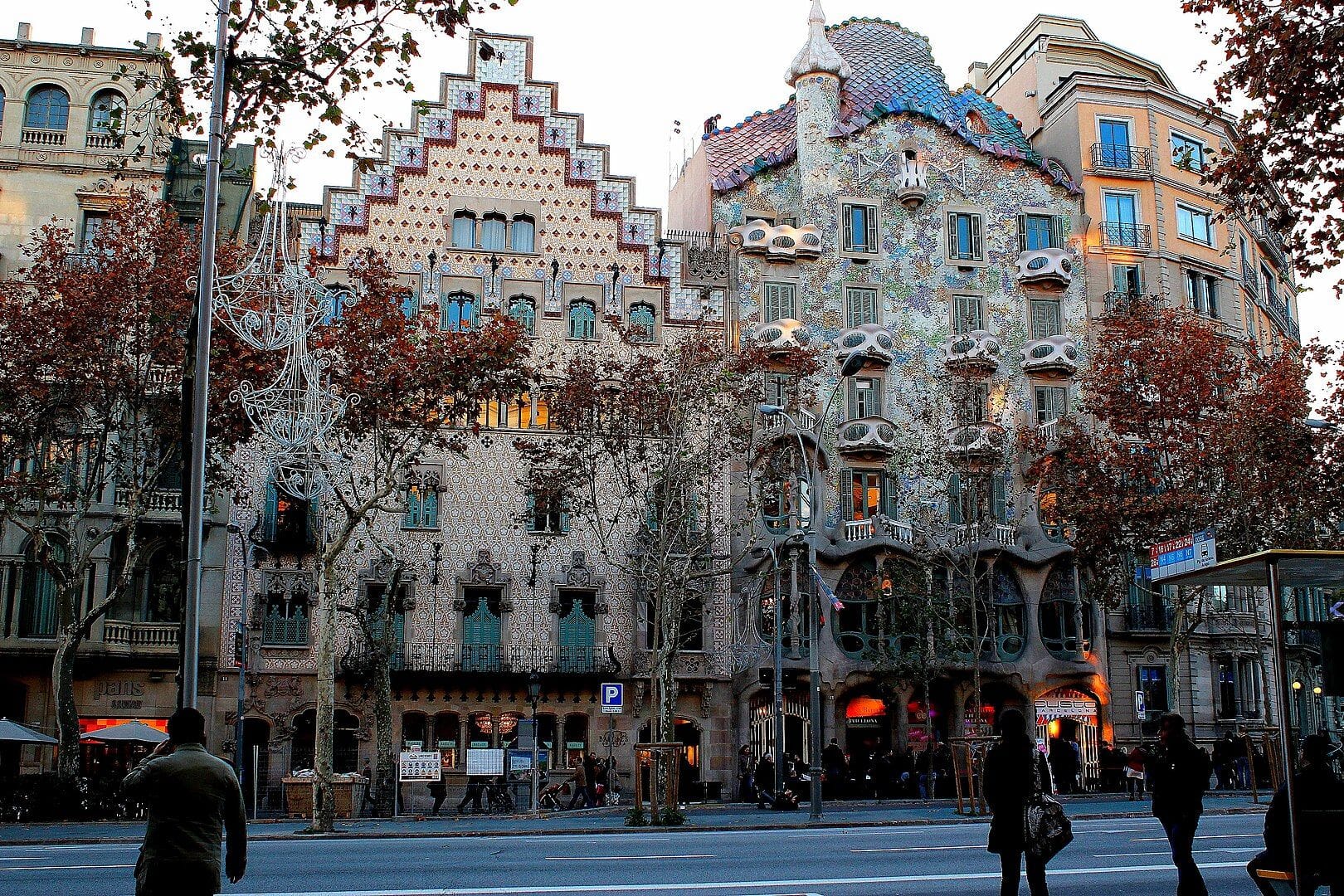
Next to Casa Batlló is another iconic building that deserves your attention. A fairytale house created for a confectioner.
-
Casa Asia
- el Raval
Casa Asia has established itself as one of the main bridges between Spain and the Asia-Pacífico region. From its headquarters in Barcelona, this institution serves as a meeting place where culture, ideas, and cooperation come together to bring one of the world's most dynamic areas closer to the European context.
-
Casa Comalat
- la Dreta de l'Eixample
Casa Comalat is an outstanding example of Catalan Modernism in Barcelona. Designed by the architect Salvador Valeri i Pupurull, this building is a true masterpiece of architecture.
-
Casa de la Seda
- Sant Pere, Santa Caterina i la Ribera
- Museums
Every professional needs a headquarters. Especially the guild of silk veil weavers. So, in the second half of the XVIII century, they were given this house, designed by the architect Joan Garrido i Bertran.
-
Casa d'Espiritualitat de Sant Felip Neri
- les Tres Torres
- Museums
Casa Sant Felip Neri is a historic building in Barcelona’s Sarrià-Sant Gervasi neighbourhood, known for its historical significance and architectural beauty.
-
Casa Lleó i Morera
- la Dreta de l'Eixample
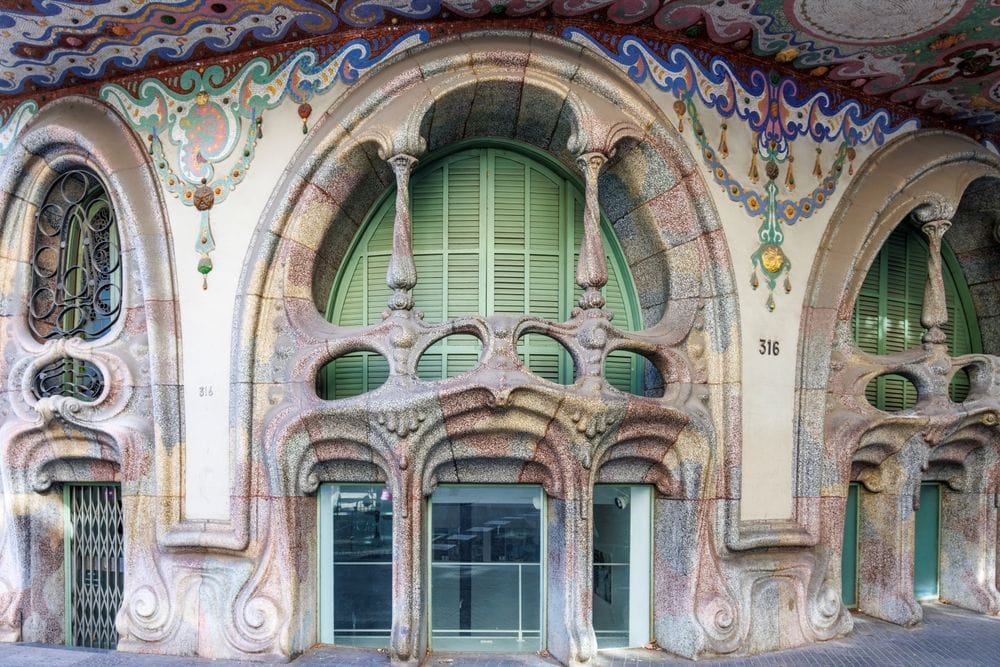
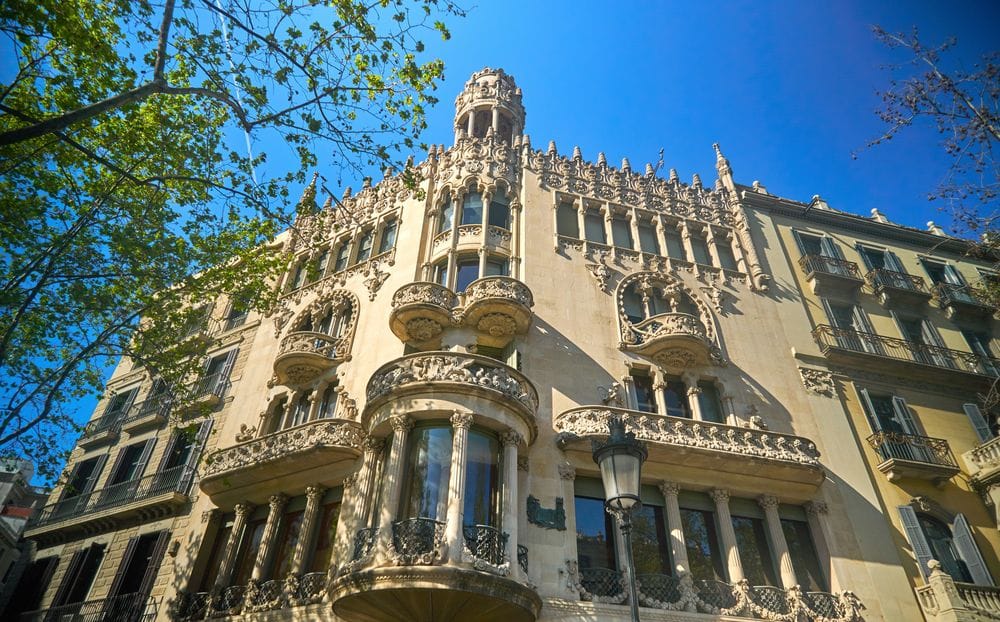
Casa Lleó i Morera is a magnificent example of Catalan modernist architecture located in the very heart of Barcelona. Designed by the architect Lluís Domènech i Montaner and built between 1902 and 1906, this impressive house is a masterpiece of the Catalan belle époque.
-
Casa Mulleras
- la Dreta de l'Eixample
Located in the Eixample district, this neoclassical architectural gem is one of the icons of Passeig de Gràcia. Originally built in 1868, it underwent reconstruction between 1906 and 1911 under the direction of architect Enric Sagnier.
-
Casino Barcelona
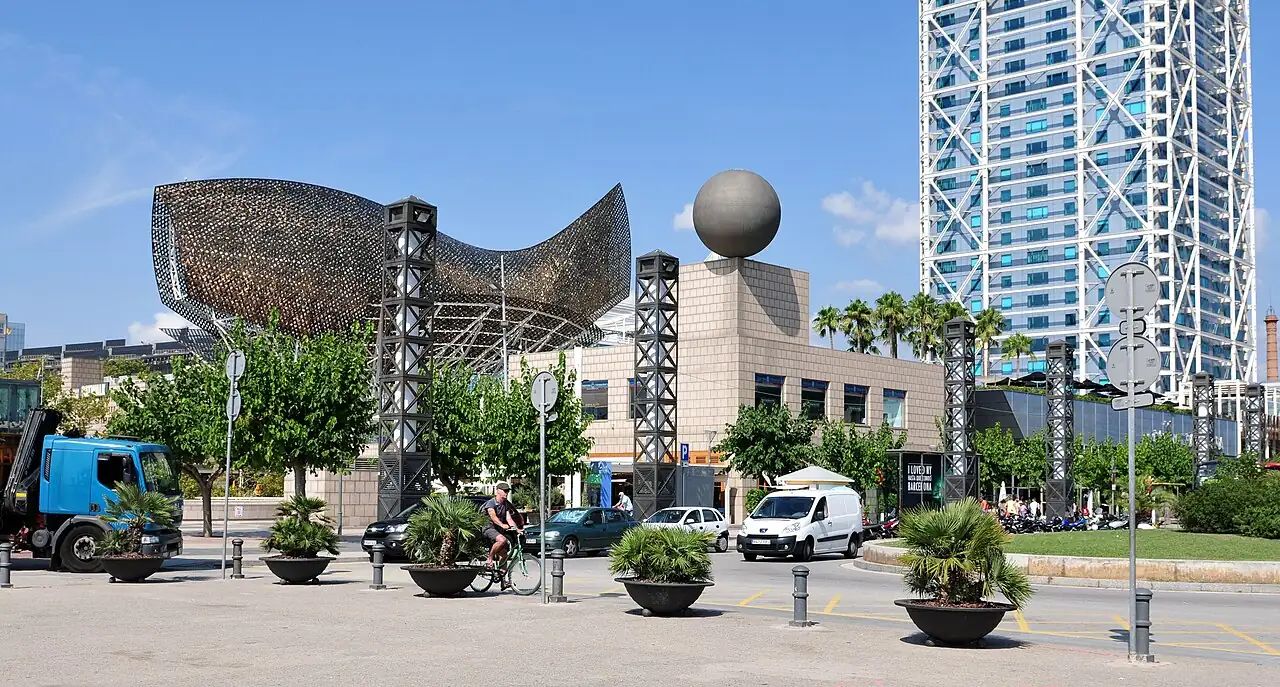
Facing the Mediterranean, in Port Olímpic, Casino Barcelona brings together leisure, gastronomy and entertainment in a space that remains active well into the night. Far more than a gaming venue, it has established itself as one of the reference places for those seeking a different experience in the city.
-
Castillo de Castelldefels
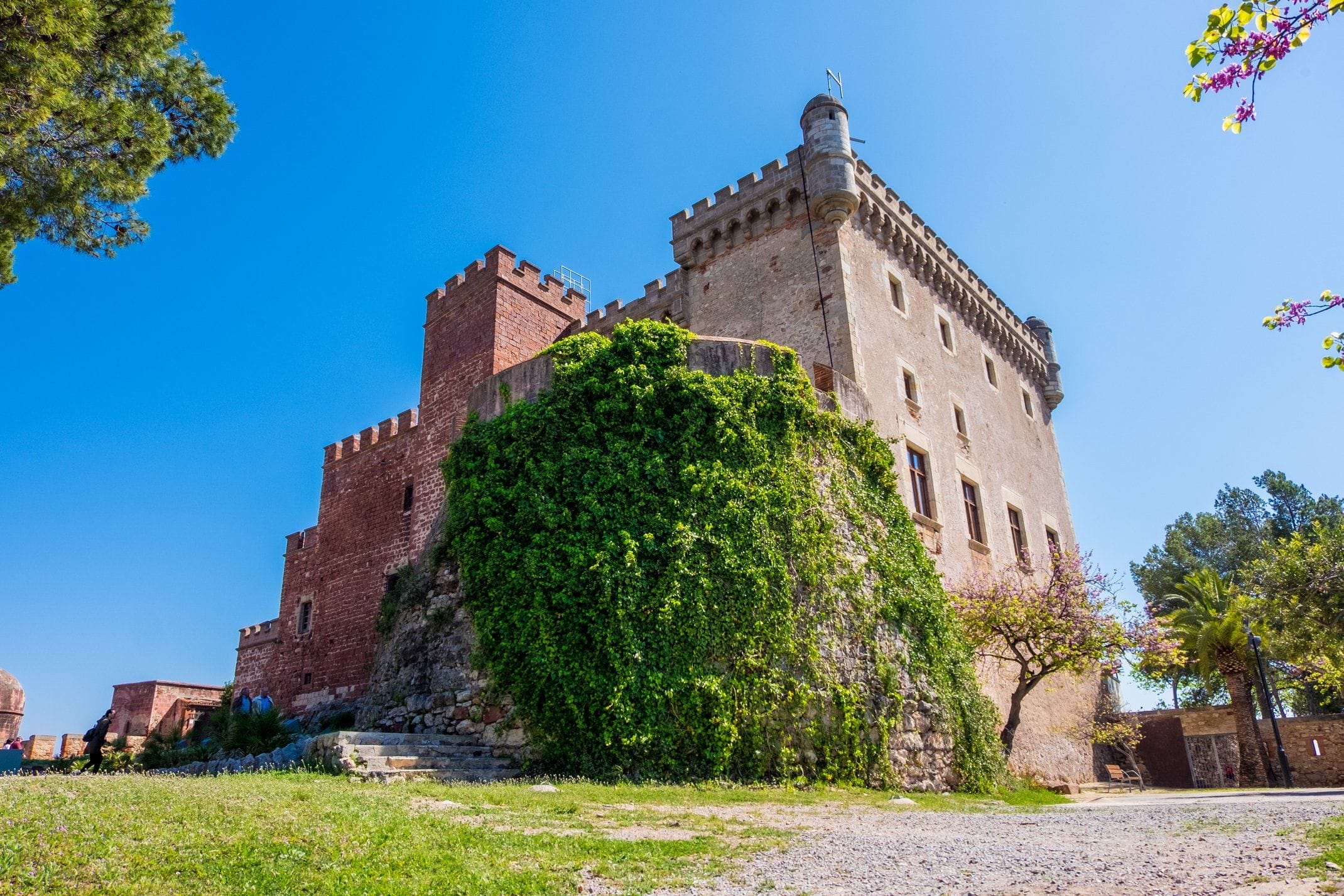
Castillo de Castelldefels, a 10th-century medieval fortress overlooking the Llobregat valley and Mediterranean coast, is a historical testament to the defence of Catalonia.
-
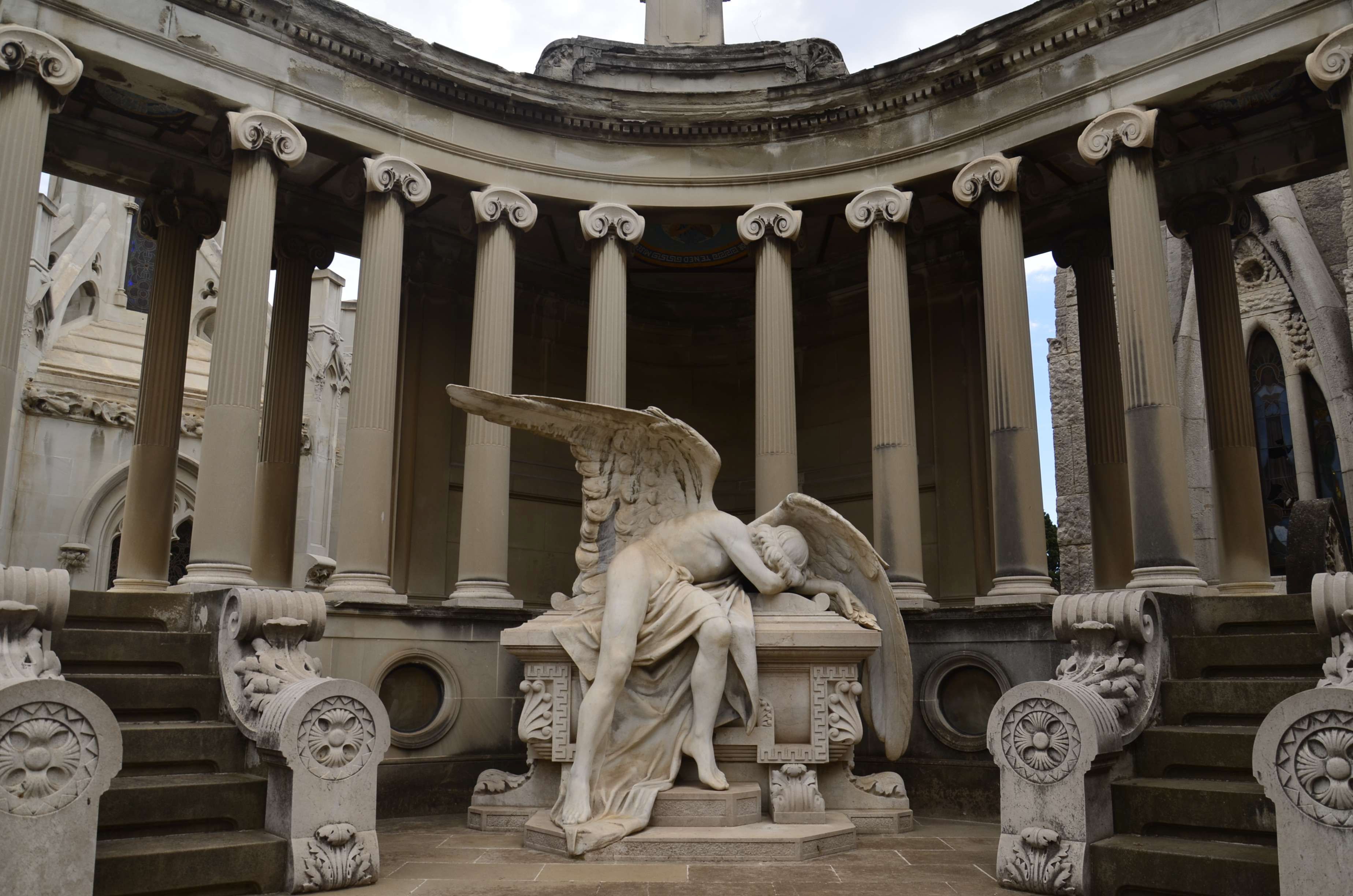
Cementerio de Poblenou
- el Poblenou
Get to know Barcelona up close. Visit one of its most unique places.
-
Centre Cívic Casa Groga
- Sant Genís dels Agudells
Centre Cívic Casa Groga occupies a privileged position on the slopes of Collserola, with one of those views from which Barcelona seems to stretch slowly towards the sea. But beyond the landscape, since 1991 this space has become one of the fundamental meeting points of Sant Genís dels Agudells.
-
Col·legi de les Teresianes
- les Tres Torres
Col·legi de les Teresianes is one of Antoni Gaudí’s less obvious – and yet most revealing – works. Located in the Sarrià-Sant Gervasi neighbourhood, the building surprises with its outward austerity: an austere, almost monastic brick façade that responds both to economic criteria and to a wish for restraint.
-
Colònia Güell
Colònia Güell is a charming and picturesque workers’ village located in Santa Coloma de Cervelló, near Barcelona.
-
L'Eixample
- la Dreta de l'Eixample
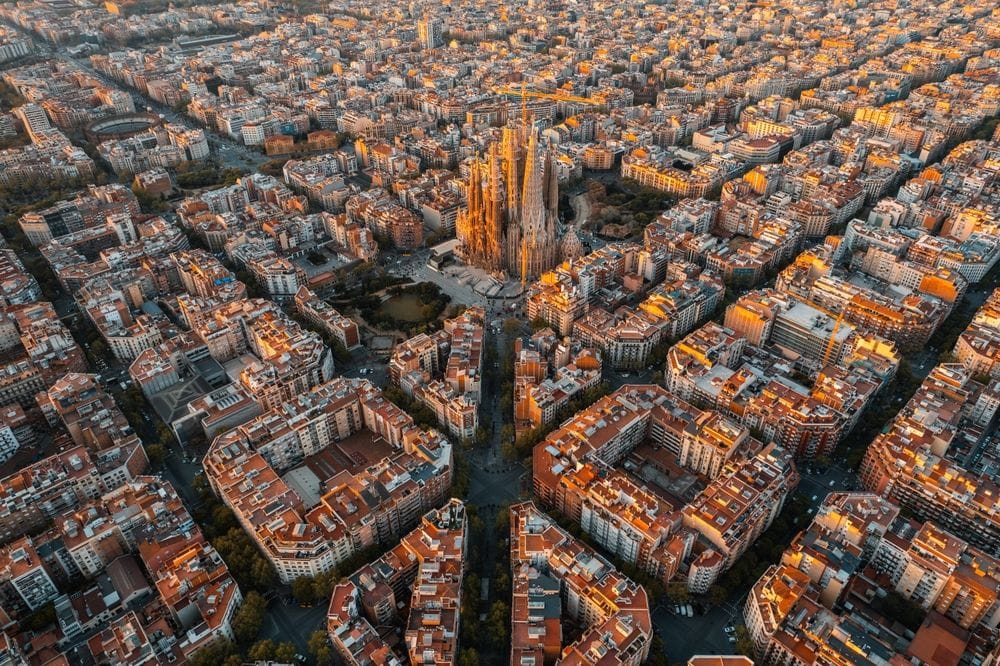
L’Eixample, which means “extension” in Catalan, is one of Barcelona’s most iconic and recognisable districts. It was designed in the mid-19th century by architect Ildefons Cerdà i Sunyer as a planned expansion of the city, making it an outstanding example of urban planning.
-
El Born
- Sant Pere, Santa Caterina i la Ribera
El Born is a charming neighbourhood located in the heart of Barcelona that perfectly blends history, culture, and contemporary life. Walking through its narrow, cobbled streets feels like travelling back in time, as the neighbourhood preserves much of its medieval and Renaissance architecture.
-
Carrer d’Estruc
- el Barri Gòtic
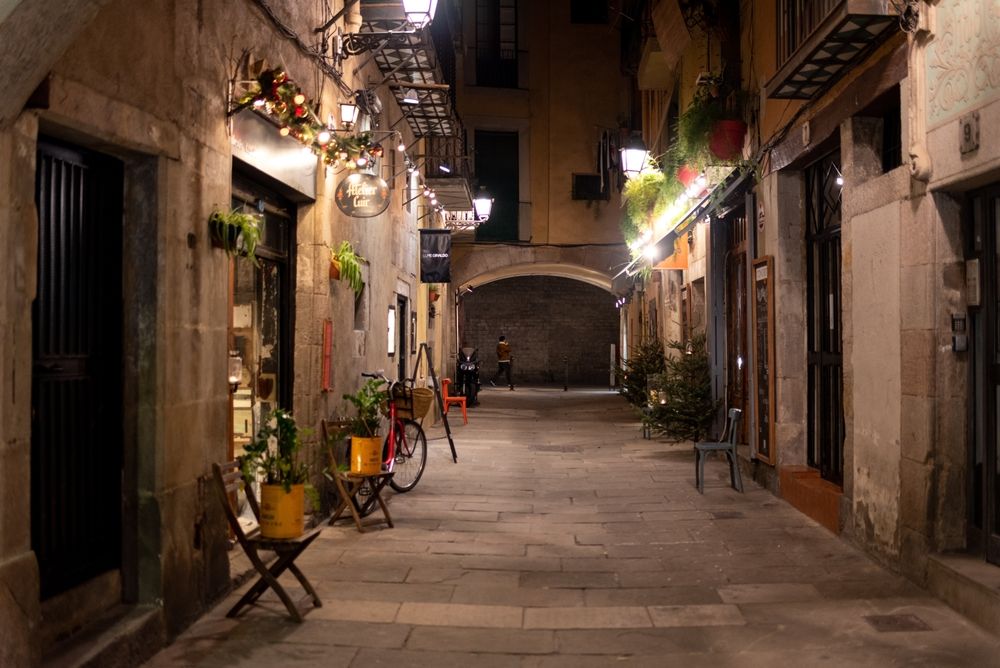
Do you remember Harry Potter’s Diagon Alley? There is a similar magical place in Barcelona: Carrer d’Estruc. Mystery and witchcraft in the heart of Barcelona. Do not miss this exciting street with its stories of magic.
-
El Gato de Botero
- el Raval
Fernando Botero’s El Gato is an iconic, much-loved sculpture in Barcelona. Located in Raval, this bronze sculpture is characteristic of the Colombian artist’s distinctive style.
-
Monasterio de Santa Ana
- el Barri Gòtic
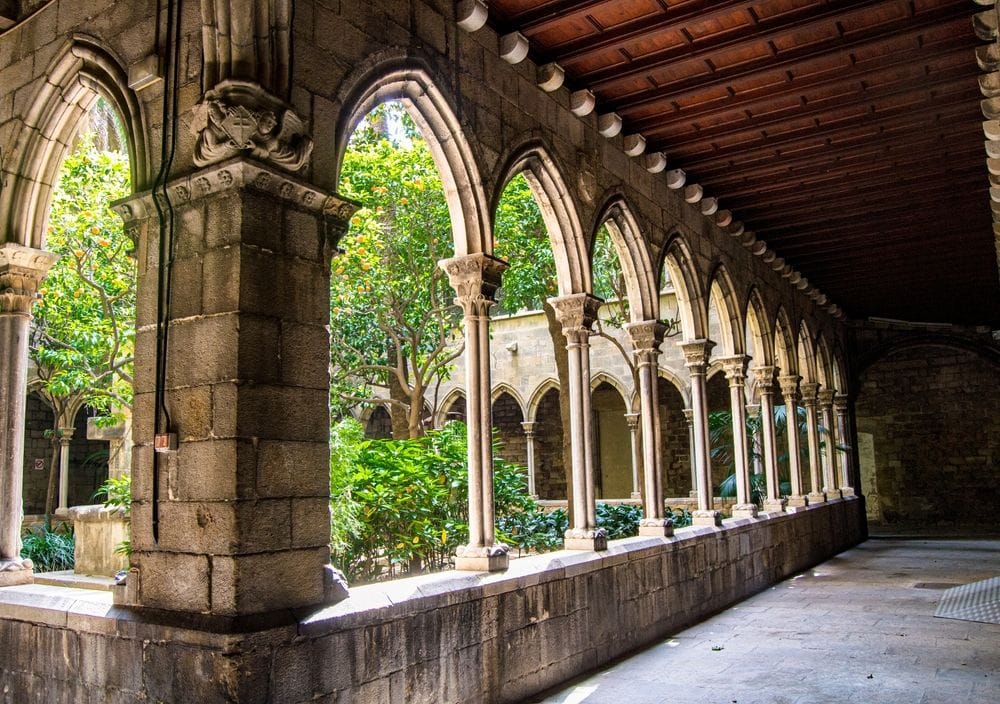
The Monasterio de Santa Ana in Barcelona, dating from the XII century, is a notable example of architecture interwoven with the historical memory of the area.
-
Mural del Beso («El mundo nace en cada beso»)
- el Barri Gòtic
Mural del Beso is a fascinating composition of microphotographs that together form the image of a kiss, symbolising moments of freedom.
-
El Pont del Bisbe
- el Barri Gòtic
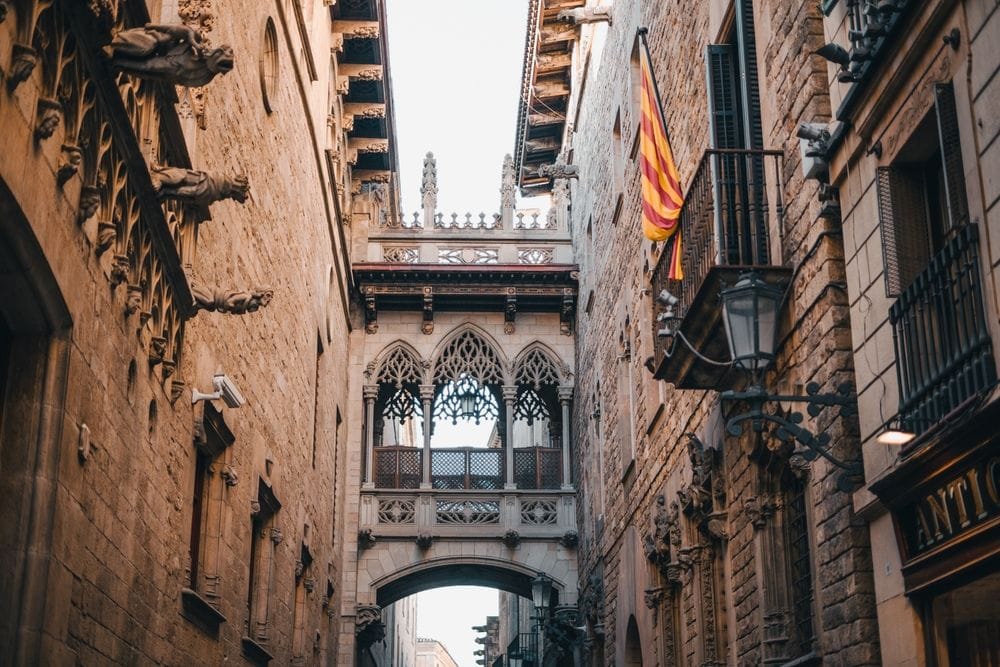
It is not only a practical link between two important points in Barcelona, but also an architectural gem with its own legends and an impressive aesthetic.
-
Església de Santa Maria del Pi
- el Barri Gòtic
A lasting testament to medieval architectural skill and a key part of the city's cultural heritage in the heart of the Barrio Gótico.
-
Església del Sagrat Cor
- la Dreta de l'Eixample
Within the fabric of Eixample, Església del Sagrat Cor forms part of the Col·legi Casp–Sagrat Cor complex on Carrer de Casp, where it functions as a central architectural and symbolic element. Listed as a building with elements of interest, its presence combines urban discretion with notable formal richness.
-
Estadi Olímpic Lluís Companys
- el Poble-sec
An impressive stadium located in the city of Barcelona, Spain. It was built in 1929 and has hosted numerous major sporting events over the years.
-
Fira Gran Via
- Museums
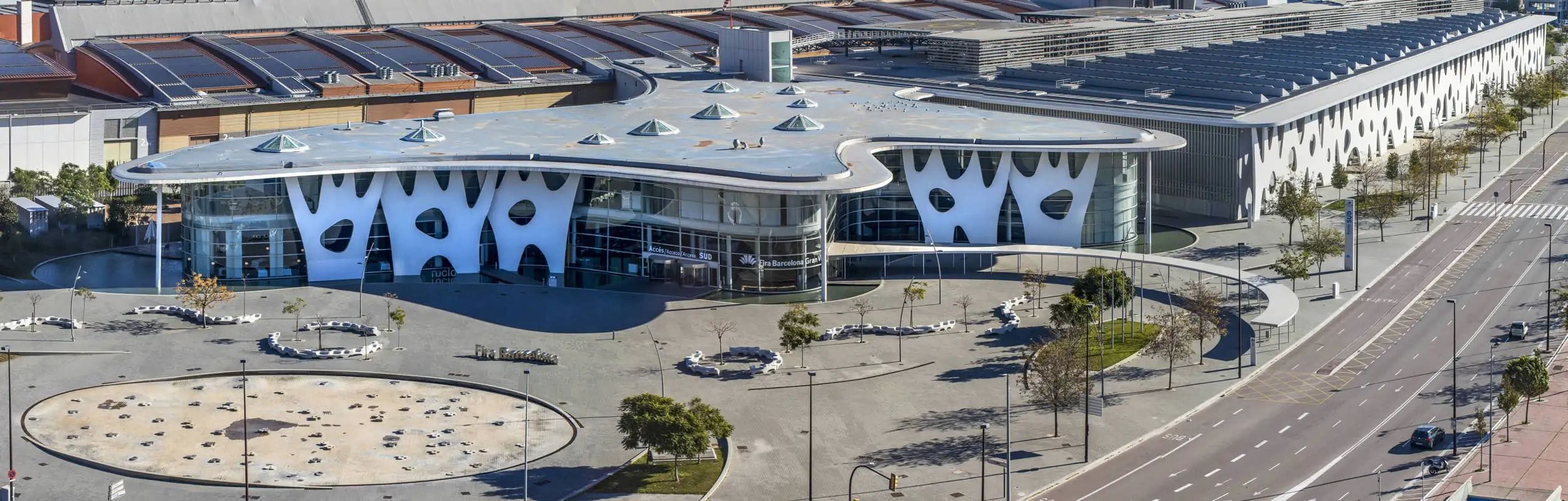
Fira Gran Via is one of the most important and advanced exhibition centres in Europe. Designed by architect Toyo Ito, it combines contemporary architecture with infrastructure ready to host some of the most internationally significant congresses, fairs, and professional events.
-
Font Màgica de Montjuïc
- el Poble-sec
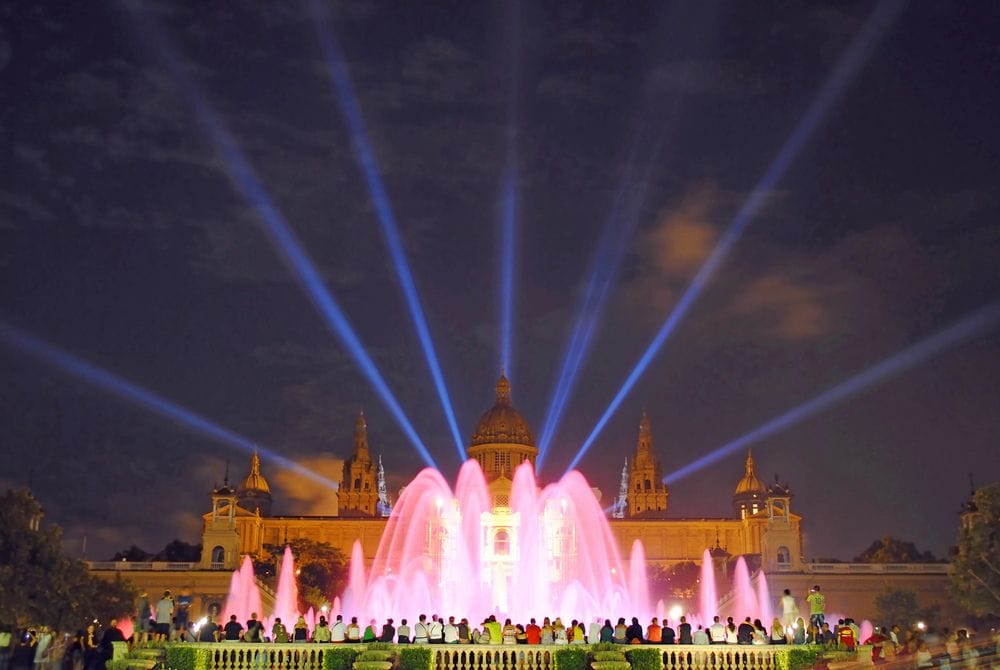
Font Màgica, or Fuente Mágica, is one of Barcelona’s most captivating treasures and one of the world’s most impressive fountains. At the foot of Montjuïc hill, this majestic fountain was built for the 1929 Universal Exposition and has since become an iconic city spectacle.
-
escultura «Girafa coqueta»
- la Dreta de l'Eixample
Among Barcelona’s most curious urban sculptures, Girafa coqueta stands out for its ability to surprise those who pass by. Located at the junction of Diagonal Avenue and Rambla de Catalunya, this work by sculptor Josep Granyer has become one of those small icons of the city that invite you to stop, observe and, almost always, smile.
-
Gran Via de les Corts Catalanes
- la Dreta de l'Eixample
Gran Vía de las Cortes Catalanas is one of Barcelona’s most prominent thoroughfares.
-
Iglesia de San Agustín
- el Raval
The Iglesia de San Agustín occupies a unique corner of the Raval, among narrow streets and squares where Barcelona still retains some of its oldest rhythms. Its monumental presence contrasts with the everyday bustle of the neighbourhood, as if the building has been observing the city's transformations for centuries.
-
Institut Français de Barcelone
- Sant Gervasi - Galvany
Institut Français de Barcelone has spent more than a century serving as one of the great cultural bridges between Barcelona and France. Far more than a language school, the building has become a space where cinema, thought, literature, music and contemporary debate coexist in the heart of Eixample.
-
Jardines de Joan Maragall
- el Poble-sec
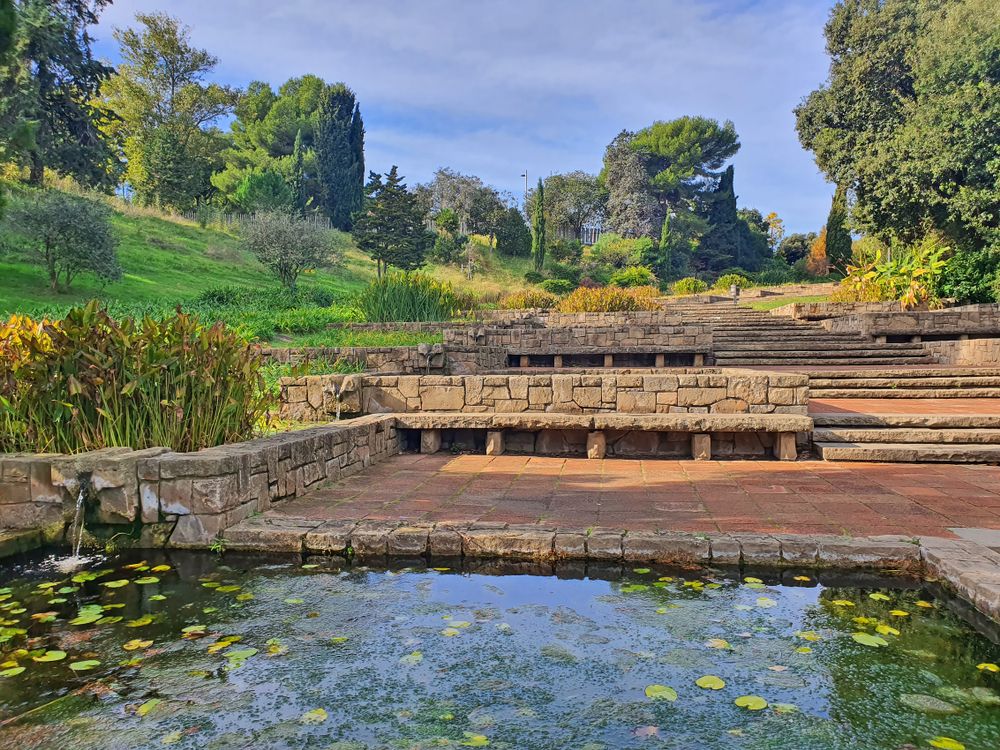
The Jardines de Joan Maragall seem to exist under their own rules. Just a few metres from the constant activity of Montjuïc, this space offers an unexpected pause where the noise of the city disappears and only the sound of water, birds, and the quiet echo of footsteps on the paths remain.
-
Jardines de Mossèn Cinto Verdaguer
- el Poble-sec
Jardines de Mossèn Cinto Verdaguer, located on Montjuïc, stand out as one of Barcelona’s most beautiful places. This themed garden, part of Montjuïc Park, slopes gently downwards and offers panoramic views of the city, the sea and, on clear days, even Montseny.
-
-
Jardins de Joan Brossa
Jardins de Joan Brossa, on Montjuïc, are one of those corners where Barcelona changes pace. Far from the bustle of the centre, this large green space invites you to walk among pine trees, rest in the shade or enjoy some of the city’s best views and the Mediterranean.
-
Jardins de les Tres Xemeneies
- el Poble-sec
Art is not only in museums. An authentic green space in the city.
-
Judería de Barcelona
- el Barri Gòtic
We invite you to explore the heart of the Jewish community in Spain and discover unique passages of history in the Judería de Barcelona.
-
La casa habitada más antigua de Barcelona
- el Barri Gòtic
A corner frozen in time. A survivor of the 1428 earthquake, it has managed to remain standing for more than 600 years. Home, brothel and tourist attraction.
-
Edifici de La Model
- la Nova Esquerra de l'Eixample
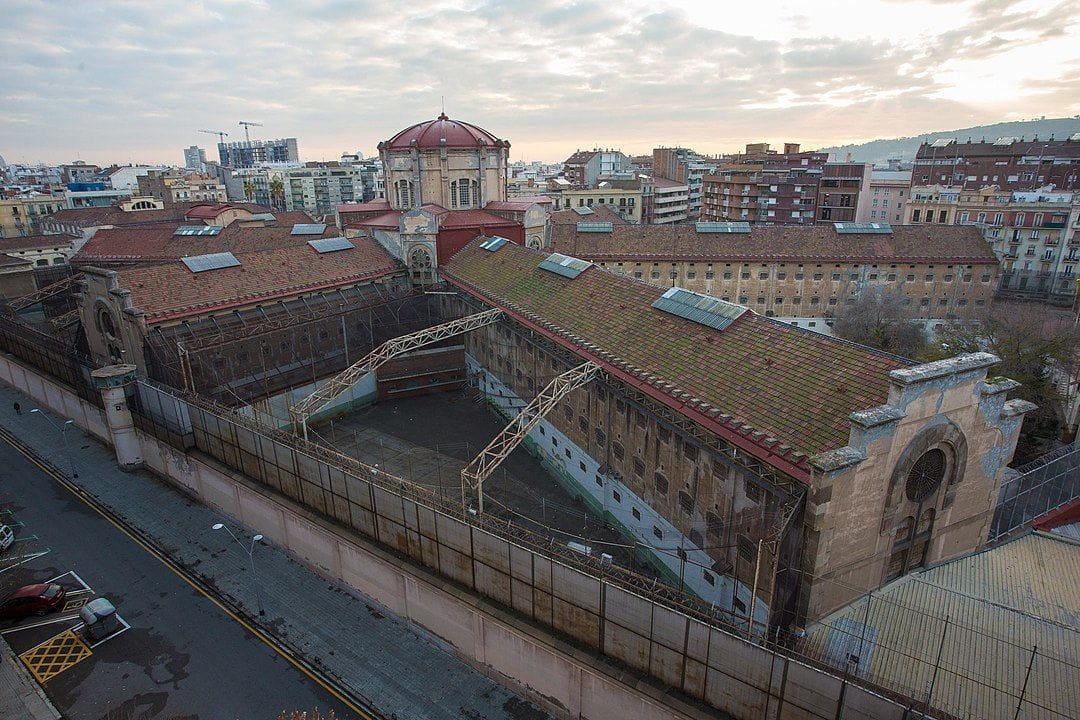
If you are a fan of, or know, George Orwell’s famous novel 1984, you will love visiting La Modelo prison in Barcelona.
-
La Rambla del Mar
- el Barri Gòtic
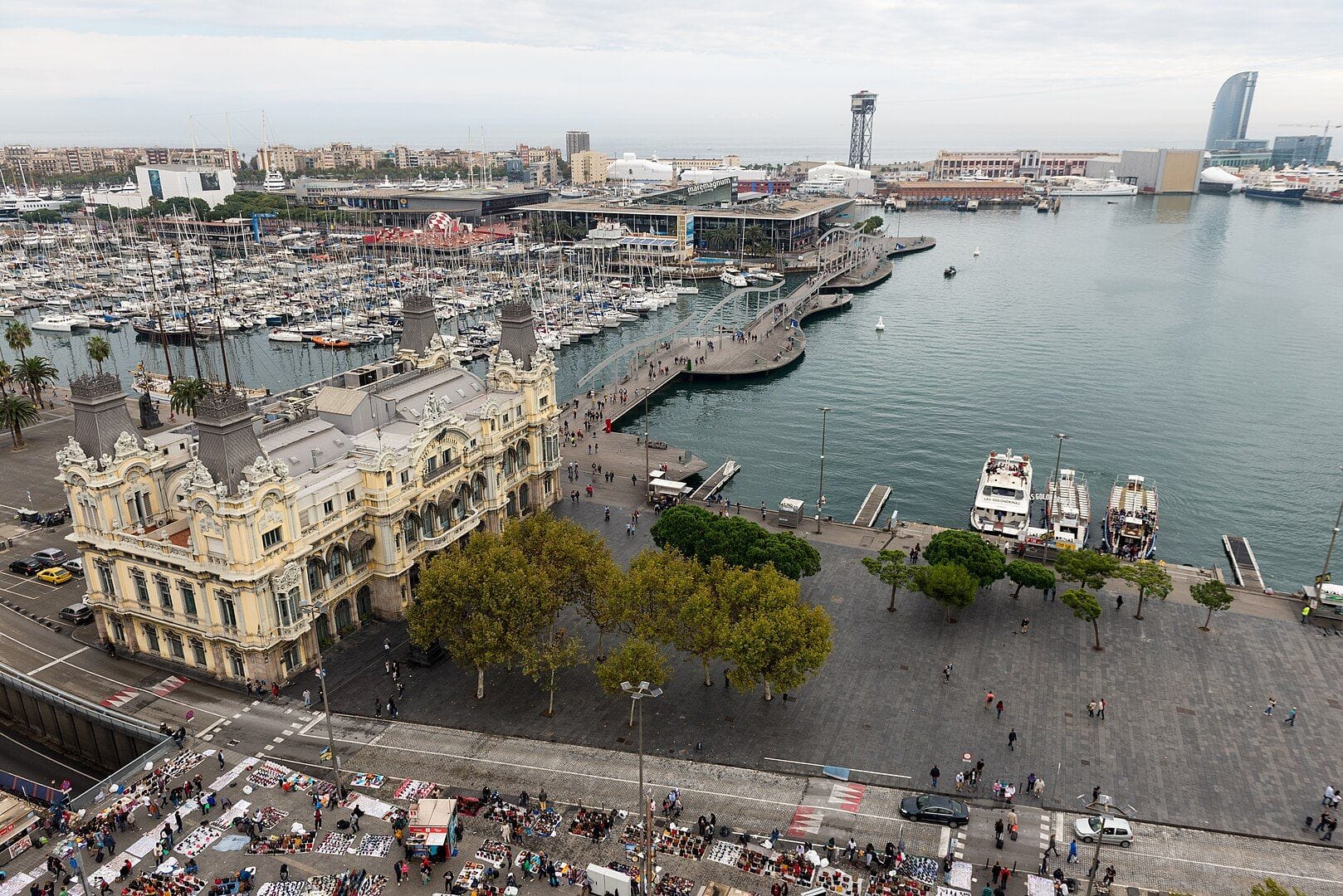
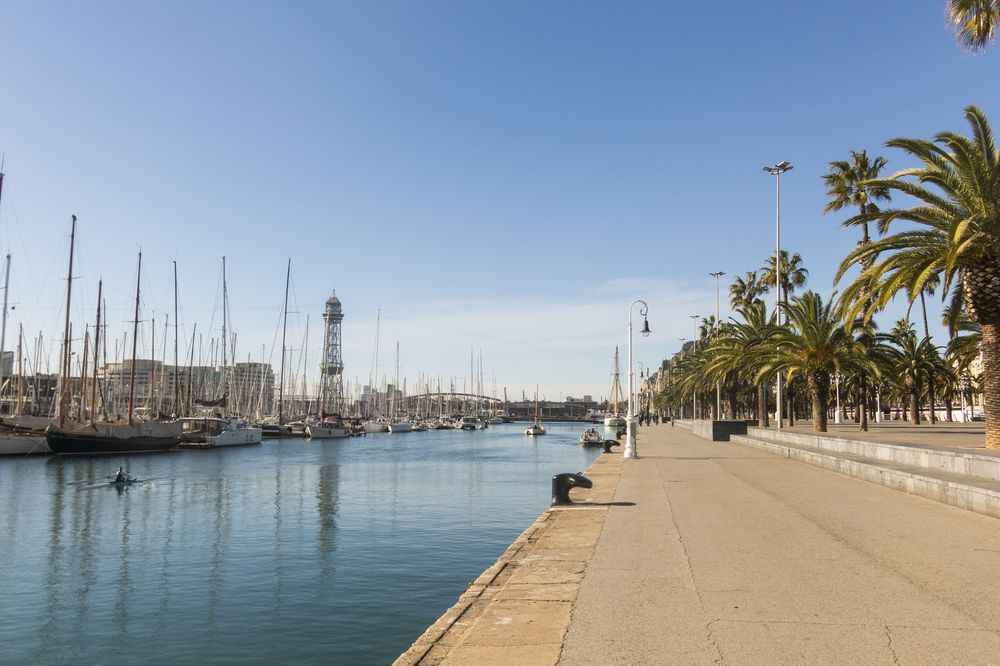
La Rambla del Mar is a charming pedestrian promenade located in the port of Barcelona, connecting the Maremagnum area with other parts of the port.
-
Las Ramblas
- el Barri Gòtic
It is a place in Barcelona that never sleeps. From morning until night, you will always find people strolling, shopping and enjoying its unique atmosphere. This avenue full of life and colour is famous for its vibrant atmosphere and cultural offering.
-
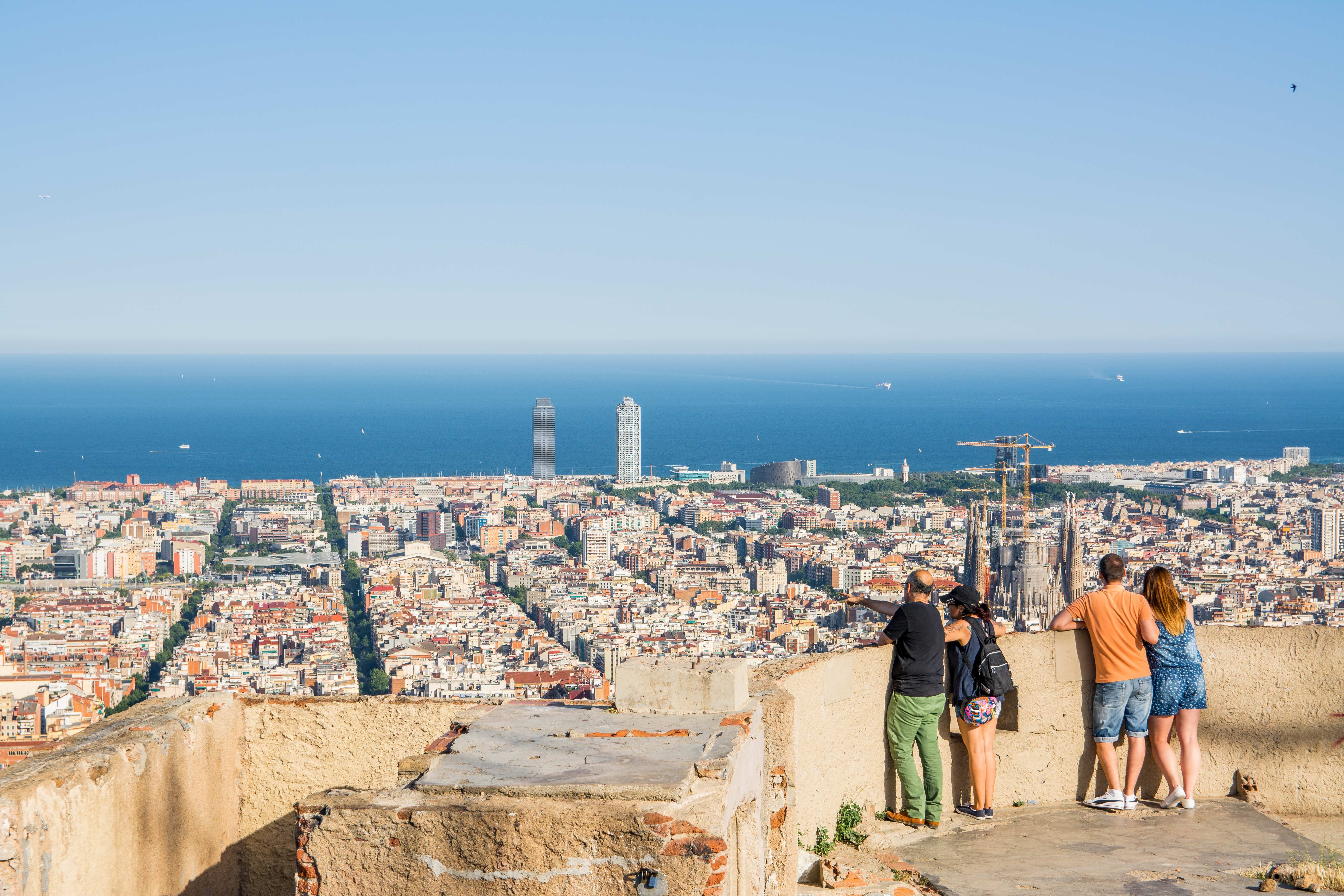
Bunkers del Carmel
- Can Baró
Barcelona is widely known for its splendid beaches, Gaudí’s creations, and its bustling urban and tourist life. But one unique, undiscovered place that is often overlooked is the Bunkers del Carmel.
-
Manzana de la Discordia
- la Dreta de l'Eixample
In the heart of the vibrant Eixample is the so-called Manzana de la Discordia. This group brings together buildings designed or renovated by prominent architects of the time, creating a stylistic rivalry among them.
-
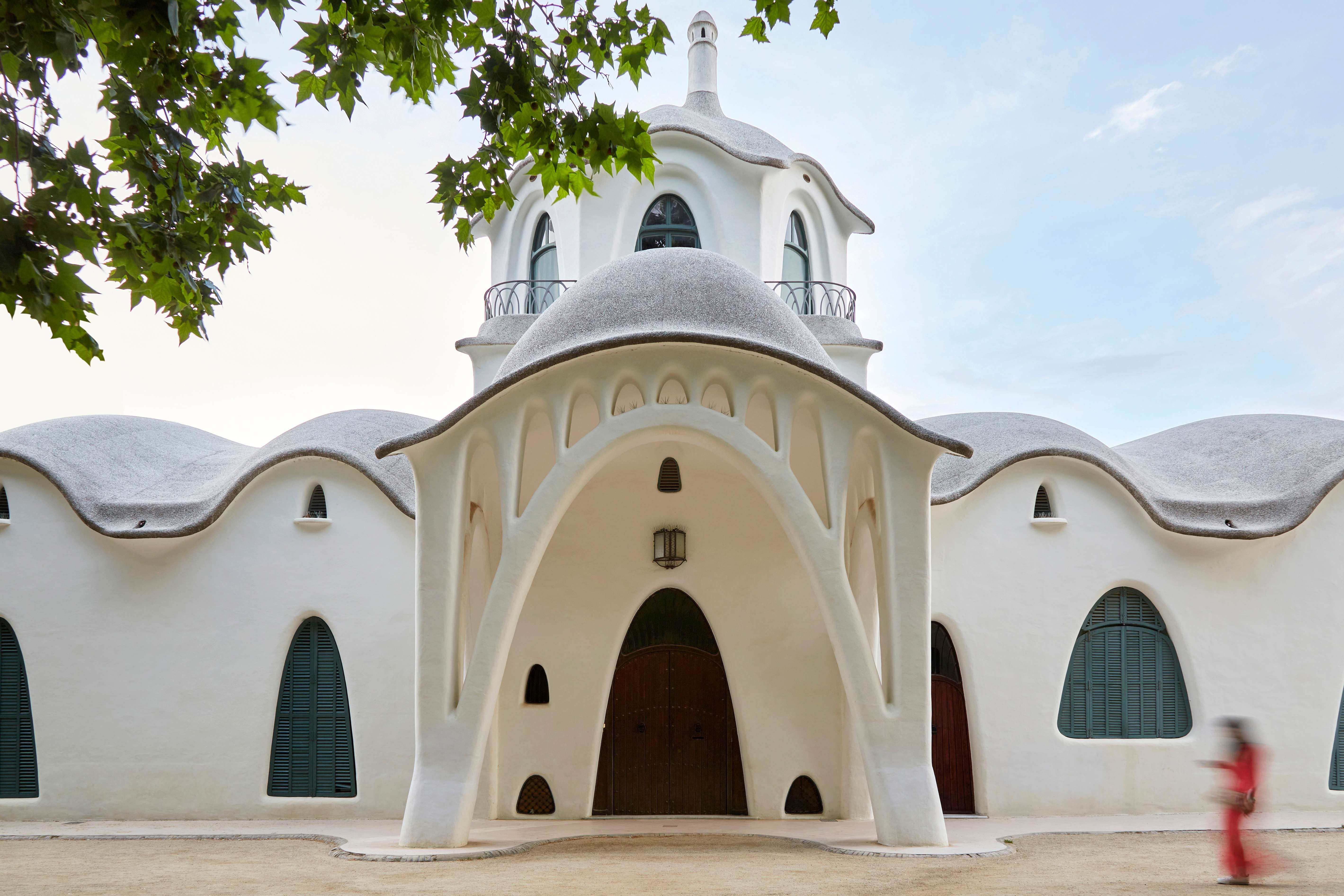
Masía Freixa
Masía Freixa, located in Parque de Sant Jordi de Tarrasa, is a jewel of Catalan Modernisme that invites a journey through time via its architecture, history and natural surroundings.
-
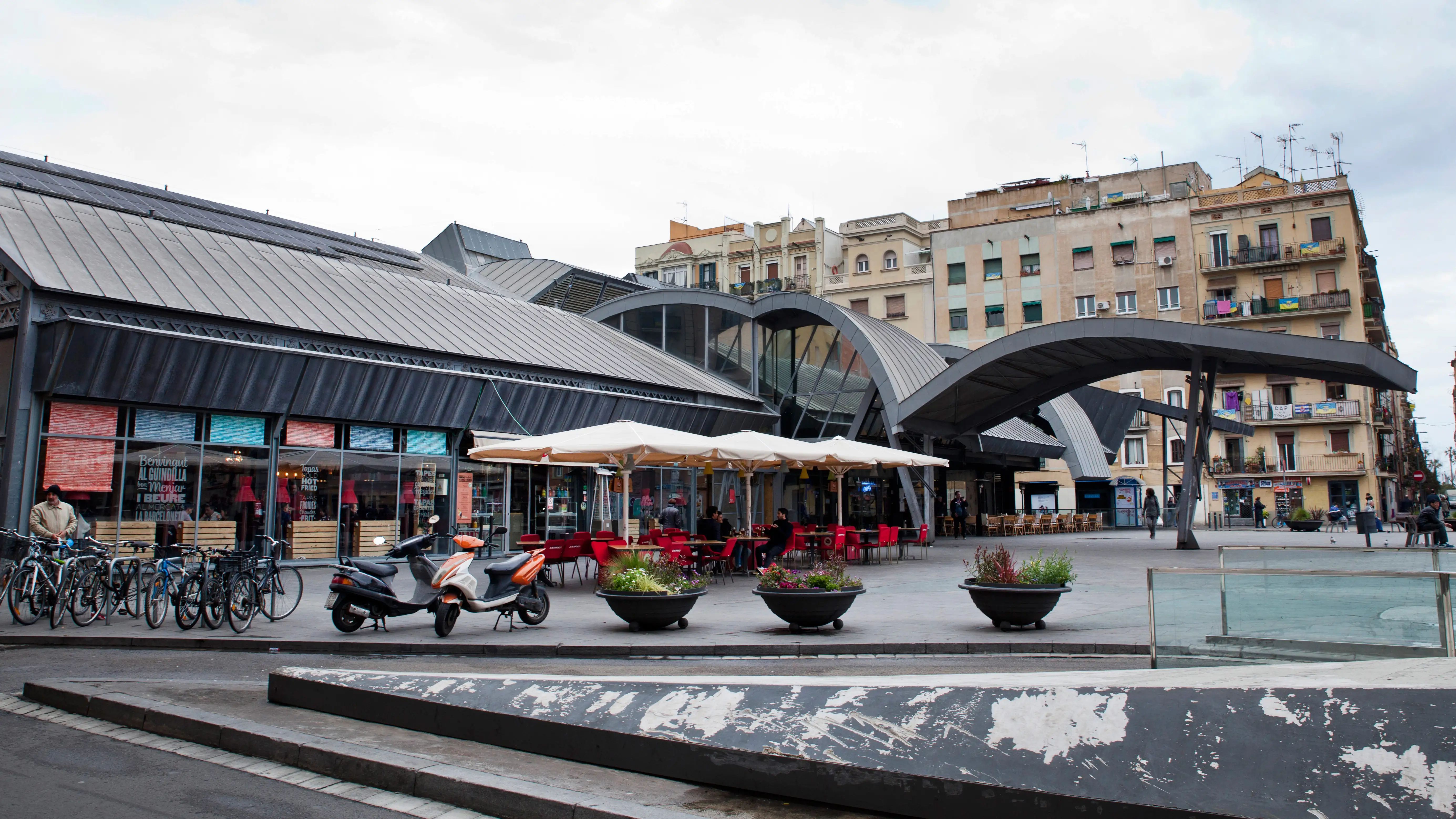
Mercado de la Barceloneta
- la Barceloneta
A few steps from the sea, Mercado de la Barceloneta has been one of the neighbourhood’s major meeting points for more than 140 years. It was founded in 1884 to supply a community closely linked to fishing and the port, and has since accompanied the evolution of one of Barcelona’s most distinctive corners.
-
Mercado de la Concepción
- la Dreta de l'Eixample
Visit one of the oldest markets in Barcelona, known for its impressive architecture that attracts both locals and tourists, where you can find a wide variety of fresh products and experience the city's culture.
-
Moll de la Fusta
- el Barri Gòtic
Moll de la Fusta, an iconic place in Barcelona dating from Roman times when it served as the first port, is living proof of the city’s long history and evolution over the centuries.
-
Montaña de Montjuïc
- el Poble-sec
Montaña de Montjuïc is a prominent mountain in Barcelona offering a variety of cultural, natural and sporting attractions.
-
Montserrat
Montserrat is one of those places that no visitor to Barcelona should overlook. Less than an hour from the city, the mountain surprises with its unmistakable silhouette: rock needles that seem hand-sculpted and that have inspired pilgrims, artists and curious travellers for centuries.
-
Monumento a Rafael Casanova
The Rafael Casanova Monument holds a prominent place in Barcelona’s historical memory. Located on Ronda de Sant Pere, it commemorates the man who was the city’s chief councillor during the 1714 siege and became associated with the defence of Barcelona in the final episodes of the War of the Spanish Succession.
-
Palau Dalmases
- Sant Pere, Santa Caterina i la Ribera
Palau Dalmases is a true hidden treasure in the heart of Barcelona’s Ciutat Vella district. This historic palace, built in the 17th century, has been restored and transformed into a unique cultural space offering an unforgettable experience.
-
Palau de la Música Catalana
- Sant Pere, Santa Caterina i la Ribera
- Theatres
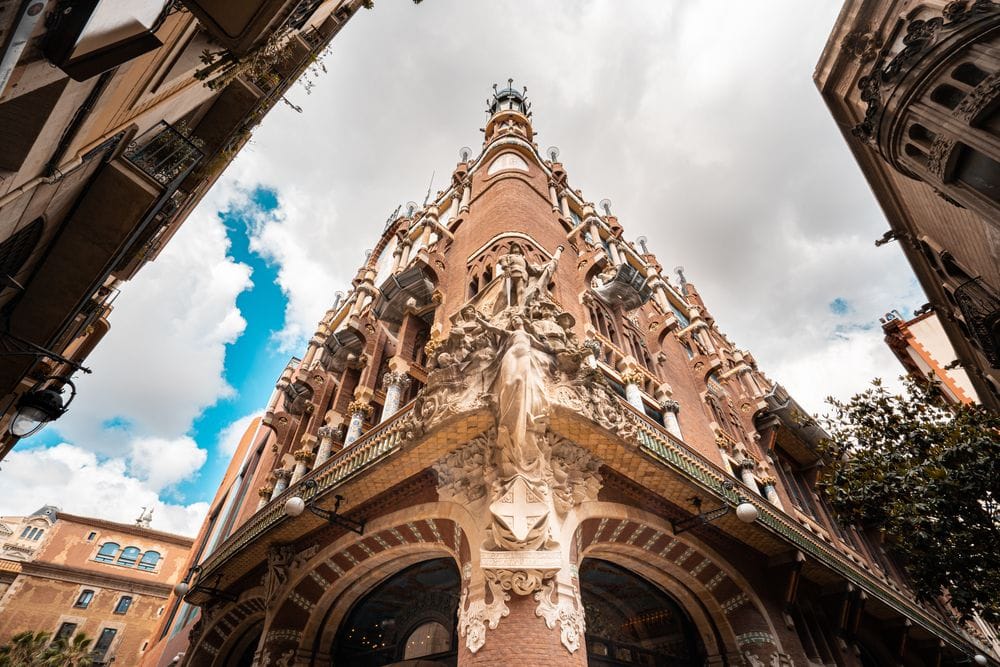
Experience the architectural splendour and vibrant music at the Palau de la Música Catalana, a true cultural treasure in the heart of Barcelona.
-
Palau Reial de Pedralbes
- Pedralbes
Palau Reial de Pedralbes in Barcelona, formerly the residence of the Spanish royal family, stands out for its rich history and imposing architecture. Surrounded by gardens partly designed by Antoni Gaudí, it is now home to the Secretariat-General of the Union for the Mediterranean and attracts visitors with its beauty and tranquillity.
-
Parc Catalunya en Miniatura
A theme park for family fun, featuring amazing models that depict the city.
-
Parc de Cervantes
- Pedralbes
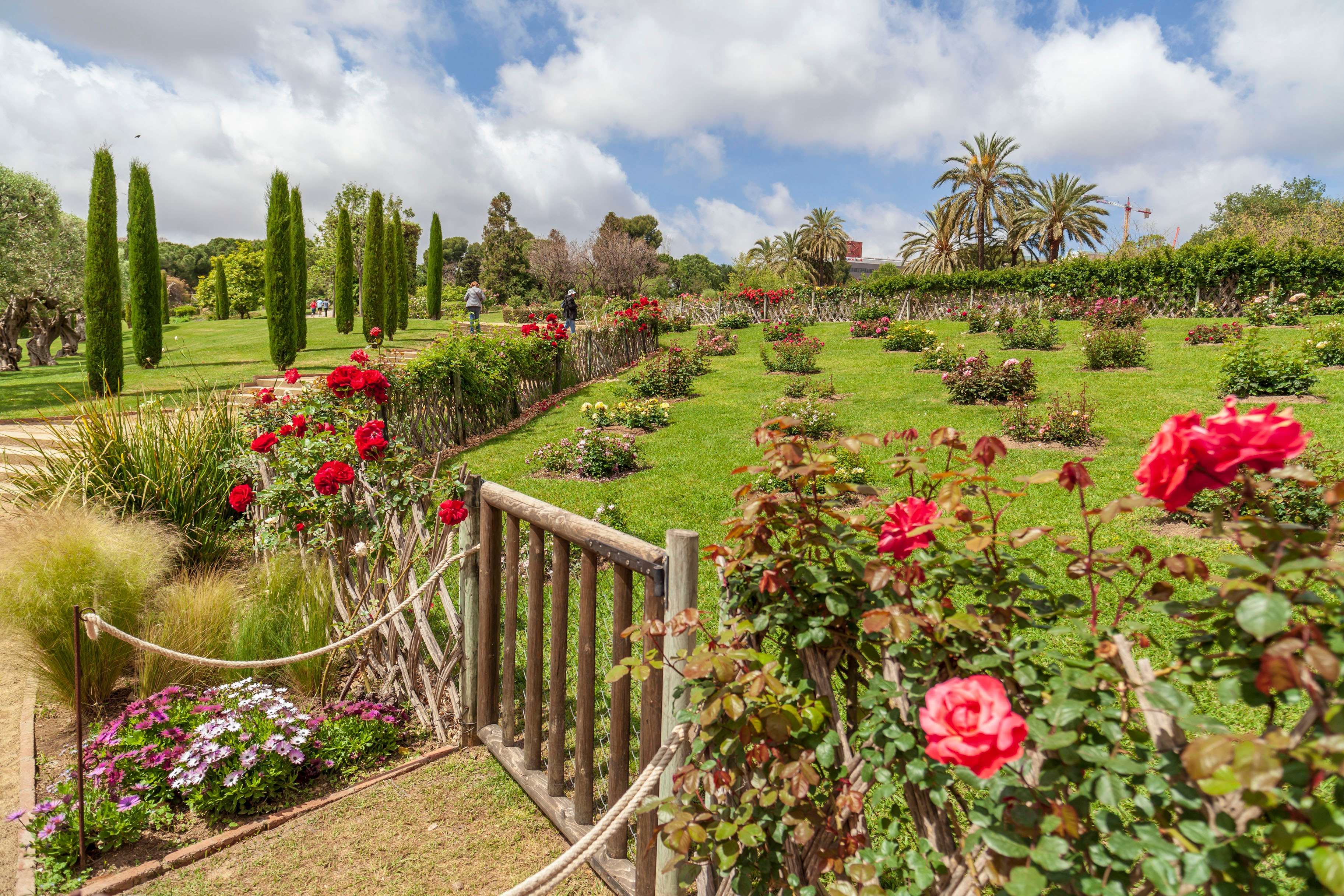
The Catalan capital invites you to stroll through one of the most beautiful and peaceful places in Barcelona and to enjoy the collection of rose bushes that fill the park with intoxicating scents.
-
Parc de Joan Miró
- la Nova Esquerra de l'Eixample
Parc de Joan Miró occupies a unique spot in the urban landscape of Barcelona: a space where the city seems to take a break. Built on the former site of the municipal slaughterhouse, the park transformed an industrial area into an open, spacious meeting place designed for people to linger longer than they planned.
-
Parc de la Ciutadella
- Sant Pere, Santa Caterina i la Ribera
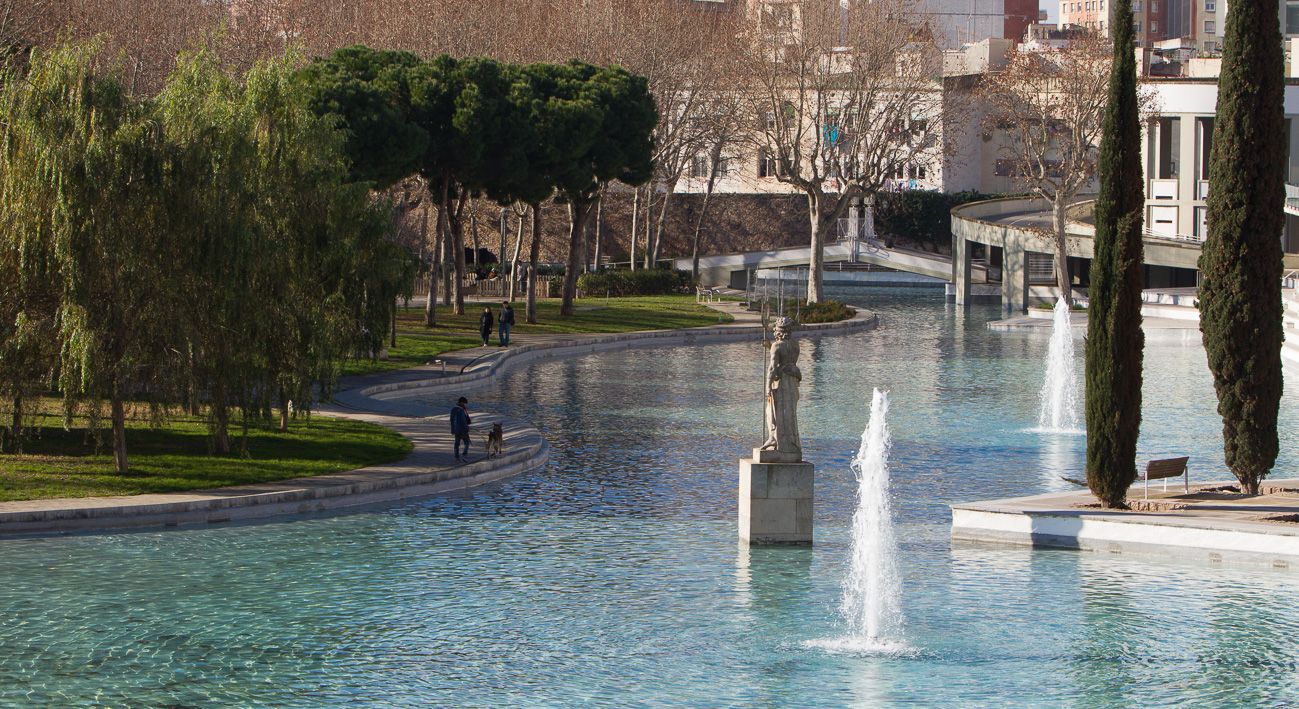
Enjoy a stroll in the green heart of Barcelona! Parc de la Ciutadella features wide avenues, shaded paths, and a beautiful lake. It's perfect for a relaxing getaway!
-
Parc de l'Aqüeducte de Ciutat Meridiana
- Ciutat Meridiana
- Places to go with kids
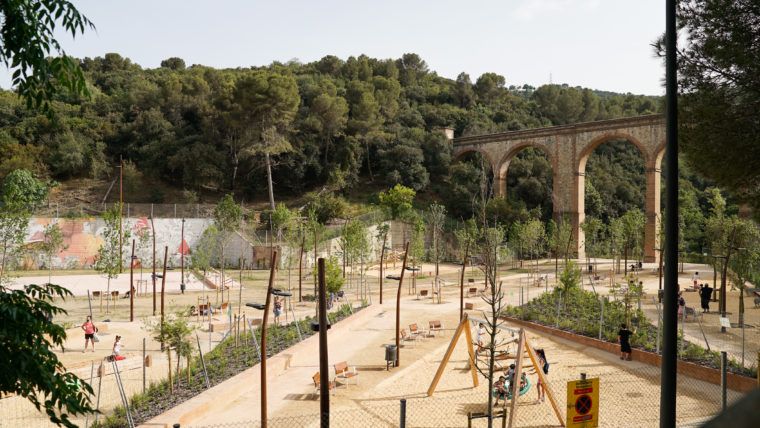
12,000 m² to connect with nature. Parque del Acueducto de Ciudad Meridiana is a green space in Barcelona’s Nou Barris district. This park stands out for its uniqueness, as it includes remains of an old 18th-century aqueduct built to bring water to the city.
-
Parc de les Glòries
- el Parc i la Llacuna del Poblenou
Parc de les Glòries occupies a site that for decades was synonymous with traffic, tarmac and haste. Today, however, it has become one of the most visible examples of how a city can reinvent its own landscape and change the way its spaces are lived in.
-
Parc de l'Espanya Industrial
- Sants
Parc de l’Espanya Industrial, located in the Sants-Montjuïc neighbourhood, is a haven of tranquillity amid the bustling city. Formerly, the site housed a textile factory, but after its closure it was transformed into a public park in the 1980s.
-
Parc de l'Estació del Nord
- el Fort Pienc
Parque de la Estació del Nord is one of those spaces that invite you to stay without needing a plan. Spacious, sunny and with more than three hectares, it opens as a respite amid the urban rhythm, intended for both rest and movement.
-
Parc del Fòrum
- el Besòs i el Maresme
Parc del Fòrum, located in Barcelona, is a leisure oasis open to the sea, with multiple spaces dedicated to entertainment and learning.
-
Parc Diagonal Mar
- Diagonal Mar i el Front Marítim del Poblenou
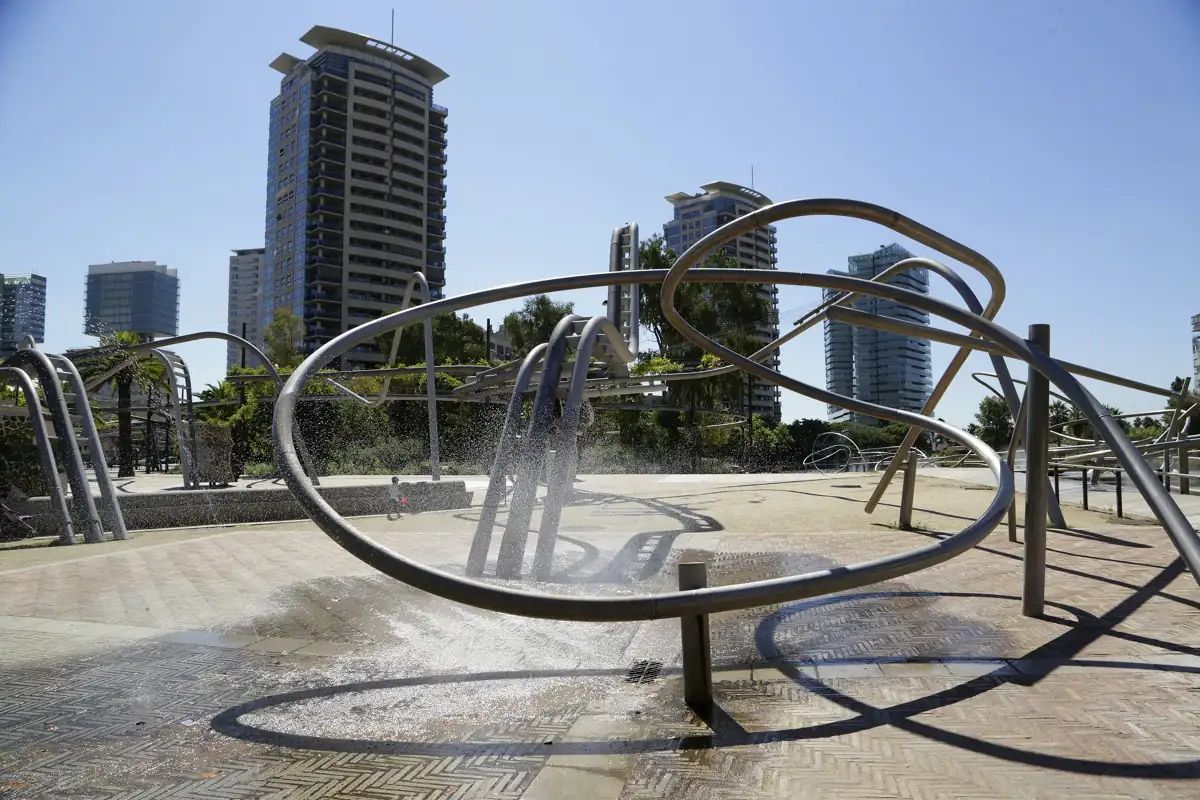
Parc Diagonal Mar breaks with the classic idea of an urban park. There are no large symmetrical avenues or gardens intended only for contemplation. Its landscape seems to move between curved forms, unexpected structures and spaces inviting visitors to explore without a fixed itinerary.
-
Parlament de Catalunya
- Sant Pere, Santa Caterina i la Ribera
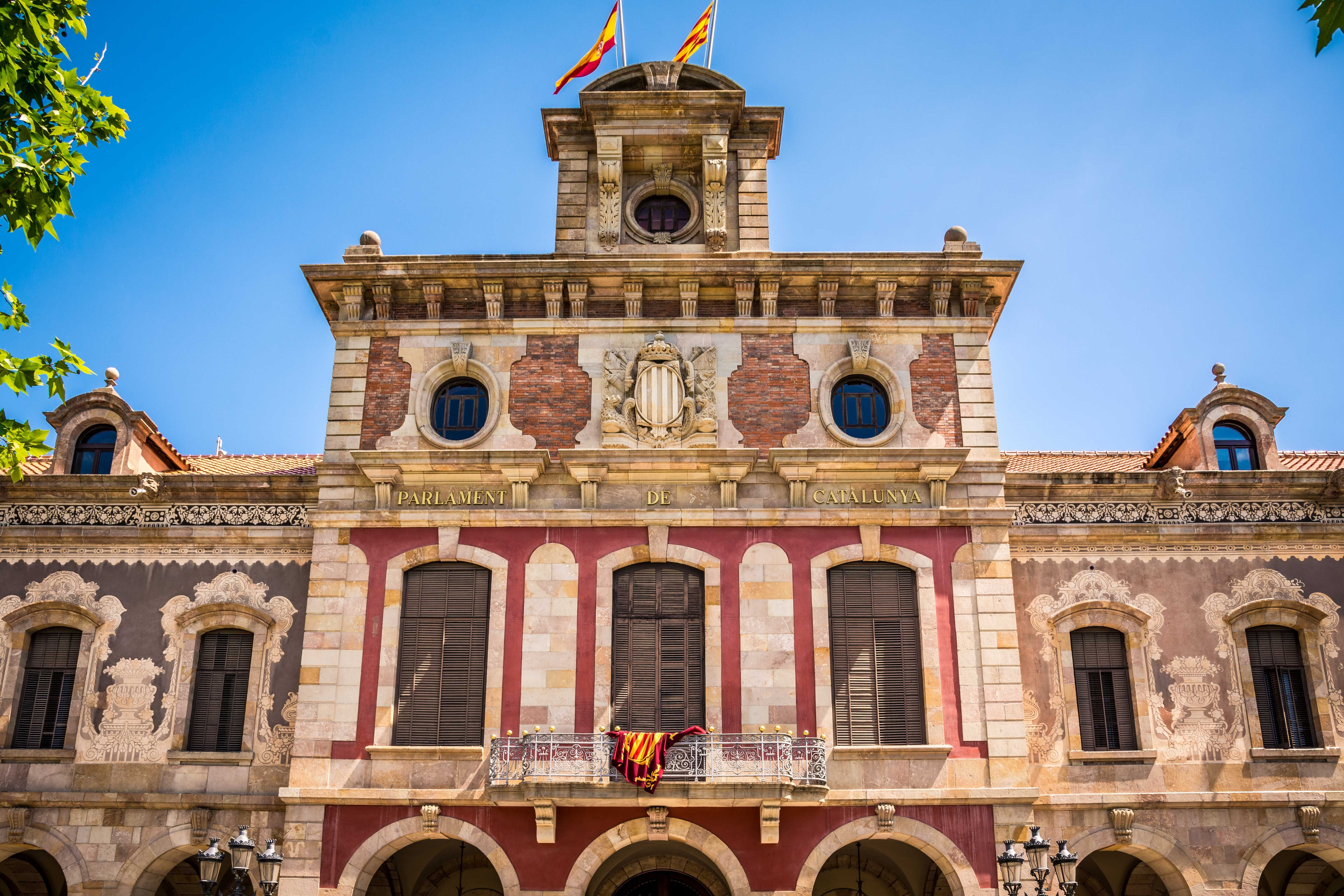
The Parlament de Catalunya is much more than the seat of Catalonia's legislative power; it is a symbol of the region's history and culture. Located in the beautiful Parc de la Ciutadella, this building offers a unique glimpse into the past and present of Catalonia.
-
Parque Cultural de la Montaña de Sal
Parque Cultural de la Montaña de Sal is a place where nature, history, and culture come together. It is located in a former salt mine that has been worked since Roman times.
-
Parroquia de San Francisco de Sales
- la Dreta de l'Eixample
Parroquia de San Francisco de Sales, on Passeig de Sant Joan, forms part of a historic complex including the former church and convent of the Salesas. Designed by architect Joan Martorell in the late 19th century, this complex is considered one of his most outstanding works and a singular example of Barcelona Neo-Gothic architecture.
-
Parroquia Sant Fèlix Africà
- la Vila Olímpica del Poblenou
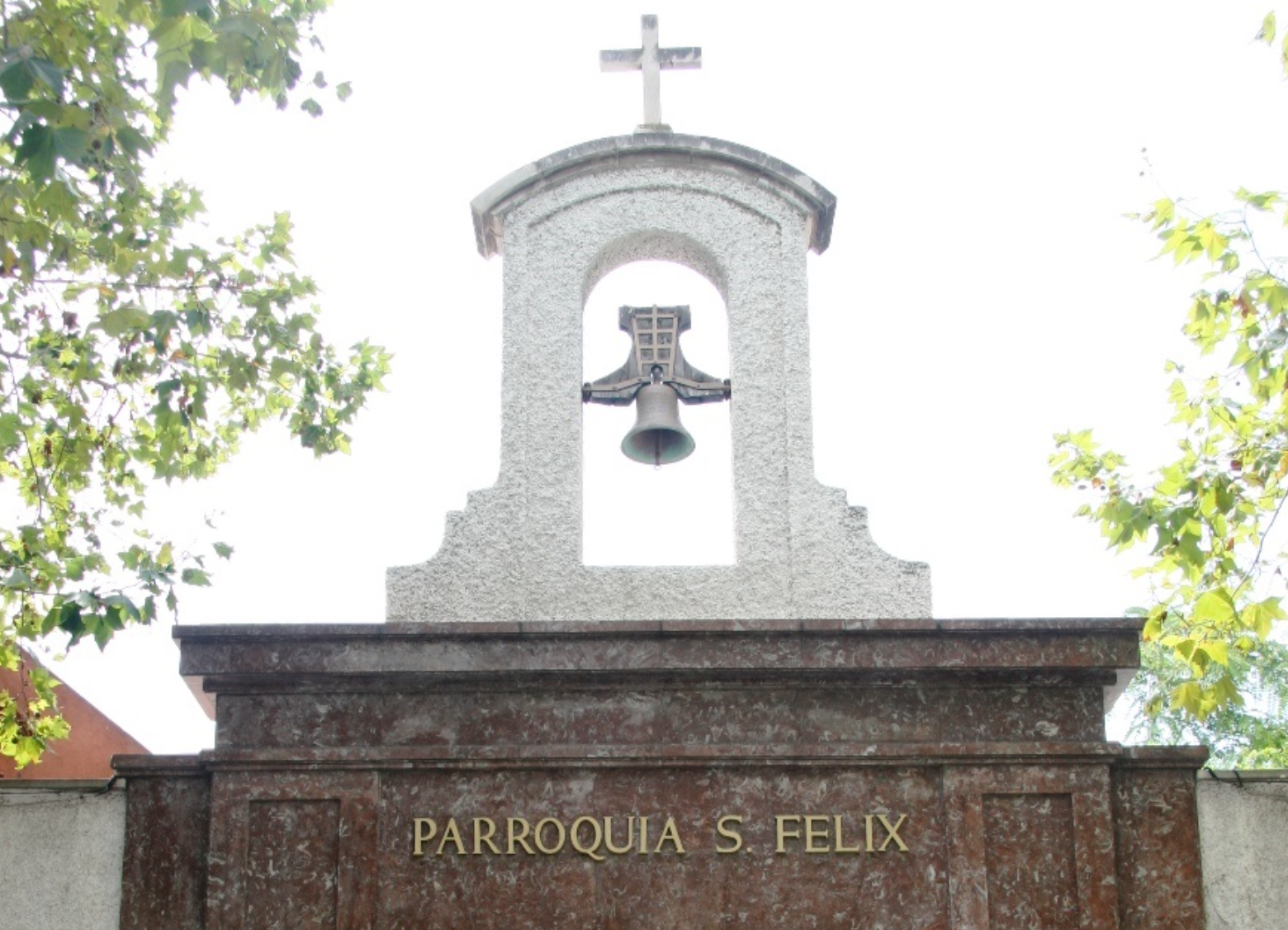
Parroquia Sant Fèlix Africà is a space for meeting and solidarity. In addition to being a place of prayer, it offers community support and cultural and educational activities for everyone. With social assistance programmes and training workshops, the parish is a connection point between faith and community.
-
Passeig de Gràcia
- la Dreta de l'Eixample
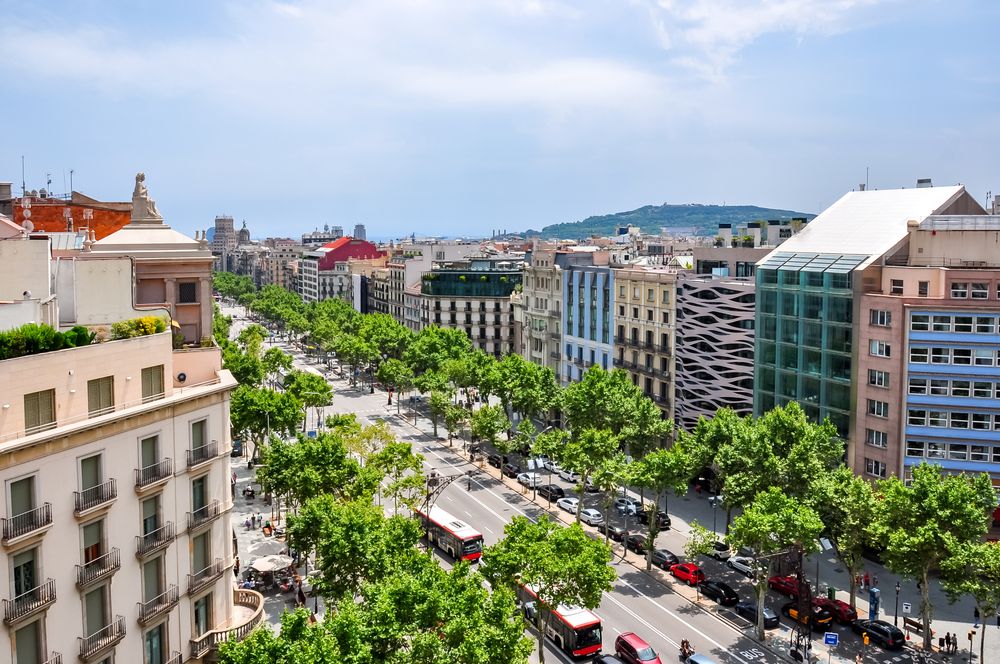
It is one of Barcelona’s most legendary streets, the artery of the city’s commercial and tourist area. Called “Camino de Jesús” in the past, it is now famous for its blend of luxury, impressive architecture and lively atmosphere.
-
Passeig de Colom
- el Barri Gòtic
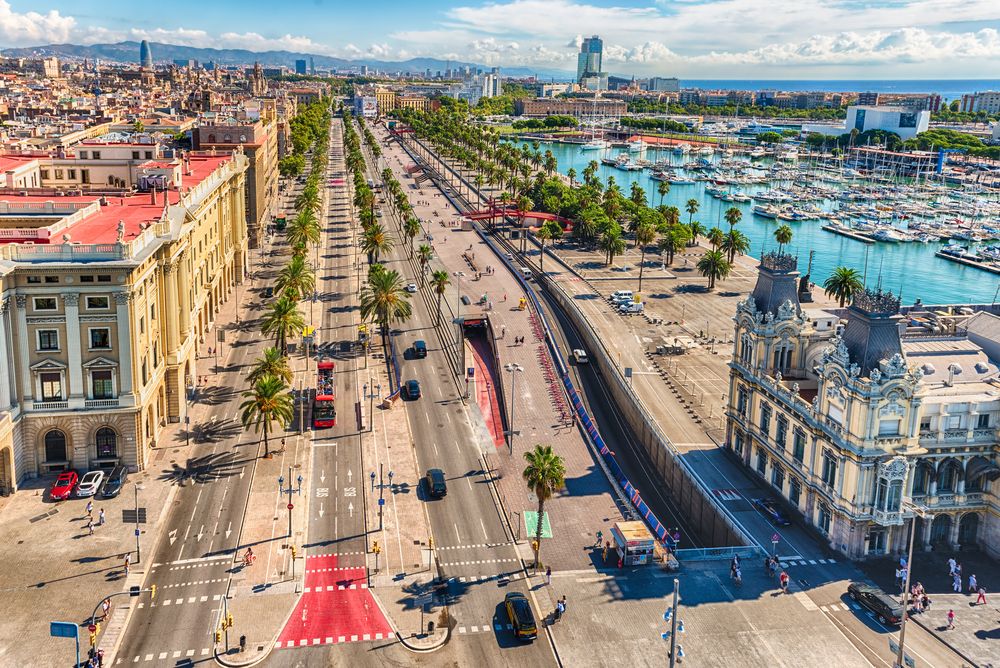
In the heart of vibrant Ciutat Vella district is the elegant Passeo de Colón, Passeig de Colom in Catalan. Running parallel to the sea, this avenue stands out for its energy and beauty.
-
Passeig de Lluís Companys
- Sant Pere, Santa Caterina i la Ribera
Passeig de Lluís Companys is one of those places where Barcelona shows its ability to combine history, urban life and open spaces. This broad pedestrian avenue connects Arco de Triunfo with Parc de la Ciutadella, creating a route that has been part of the city’s everyday life for more than a century.
-
Pavelló Olímpic de Badalona (Olimpic Arena)
Pavelló Olímpic de Badalona is one of the major indoor venues in the Barcelona metropolitan area and a reference point for both sport and live entertainment. Opened for the 1992 Olympic Games, it was built as the venue for basketball competitions and has since established itself as one of the city’s most iconic spaces.
-
Pavimento Miró (Mosaico Miró)
- el Raval
Today, thousands of people pass through Plaza de la Boqueria, but not all of them know that beneath their feet lies a work of art: a mosaic by artist Joan Miró.
-
Plaça de Nicolás Salmerón
- la Vila de Gràcia
Plaça de Nicolás Salmerón, also known as Pla de Salmerón, has served for more than a century as a symbolic gateway between Barcelona and Vila de Gràcia. Its strategic location made it a constant passage point, a crossroads where the city changed pace and identity.
-
Plaça de la Catedral
- el Barri Gòtic
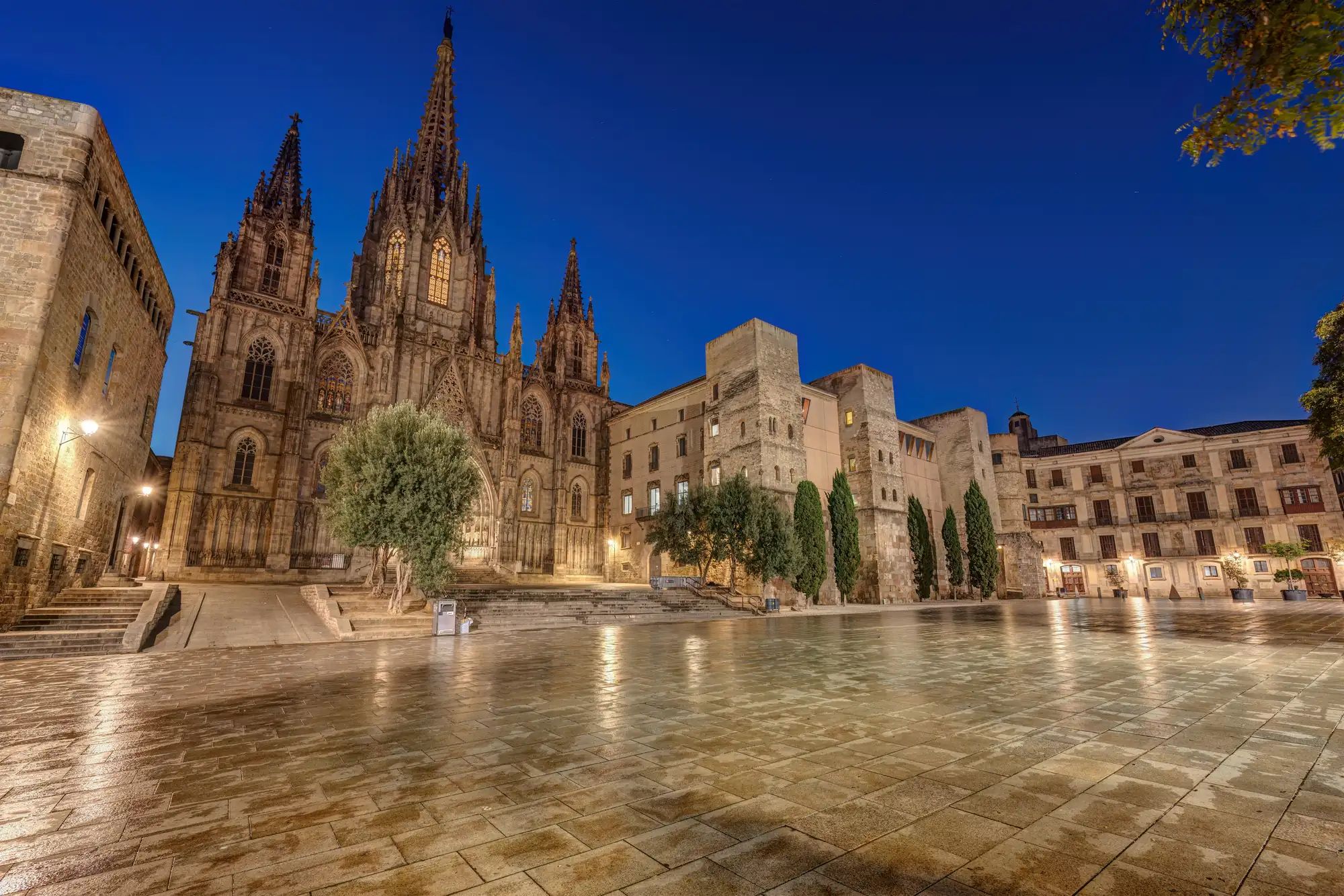
Plaça de la Catedral is one of those places where Barcelona seems to bring together several cities at once. In front of the cathedral’s imposing façade, the square brings together tourists, residents, street musicians, impromptu photographers and people simply crossing the Gothic Quarter at an unhurried pace.
-
Plaça de la Farga
- la Bordeta
Plaça de la Farga is one of those urban spaces that functions as a natural meeting point for everyday life. Open, accessible and always in motion, it has established itself as a place where residents, visitors and activities coexist, shaping the daily rhythm of its surroundings.
-
Plaça de les Glòries Catalanes
- el Fort Pienc
Plaça de les Glòries Catalanes is one of the places where Barcelona’s urban transformation is best perceived. Originally conceived as the grand centre of the Cerdà plan, for decades it was more a traffic hub than a place to spend time. Today, that role has changed.
-
Plaça del Mar
- la Barceloneta
Plaça del Mar is one of the places where Barcelona meets the Mediterranean directly. Located in Barceloneta, next to Sant Sebastià beach and at the foot of the historic Baños de Sant Sebastià building, it serves as a broad transition between the neighbourhood and the seafront promenade.
-
Plaça Major de Nou Barris
- la Guineueta
Plaça Major de Nou Barris is one of the district’s main public and institutional spaces. Located next to the headquarters of Distrito de Nou Barris, at number 1 in the square, it forms part of an area where administrative life coexists with neighbourhood and cultural activity.
-
Plaça de la Virreina
- la Vila de Gràcia
Plaza de la Virreina is a charming public space in the heart of Barcelona’s Gràcia neighbourhood.
-
Plaça de Prim
- el Poblenou
Plaza Prim is a square in Barcelona’s Poblenou neighbourhood. It is a broad, open space surrounded by historic and modern buildings that reflect the area’s architectural evolution.
-
Plaça del Rei
- el Barri Gòtic
Plaça del Rei, or Plaza del Rey, is an iconic space in Barcelona’s historic centre. It has witnessed various historical events over the centuries, from the Roman era to the present.
-
Platja de la Barceloneta
- la Barceloneta
Platja de la Barceloneta is one of the places where Barcelona’s relationship with the sea is best understood. Located just a few minutes from the historic centre, it combines the atmosphere of an old fishing neighbourhood with the rhythm of a city that lives outdoors for much of the year.
-
Platja del Bogatell
Platja del Bogatell offers a different way to enjoy Barcelona’s coastline. Quieter than other central beaches, it has become a meeting point for those seeking space to relax, play sport or spend the day by the sea without giving up comfort.
-
Plaça de Catalunya
- la Dreta de l'Eixample
Plaça de Catalunya is the heart of Barcelona and one of the city’s most iconic squares. At the intersection of several main avenues and streets, it is a meeting point and passage for locals and visitors alike. This spacious square is known for its beauty and lively atmosphere. It is surrounded by iconic buildings, including major museums, hotels and banks.
-
Plaça d'Espanya
- el Poble-sec
Plaça d’Espanya, or Plaza de España in Spanish, is one of Barcelona’s most iconic places. This large square lies at the intersection of several of the city’s main avenues and is known for its striking architecture, monumental fountain, and historical and cultural significance.
-
Plaça Sant Jaume
- el Barri Gòtic
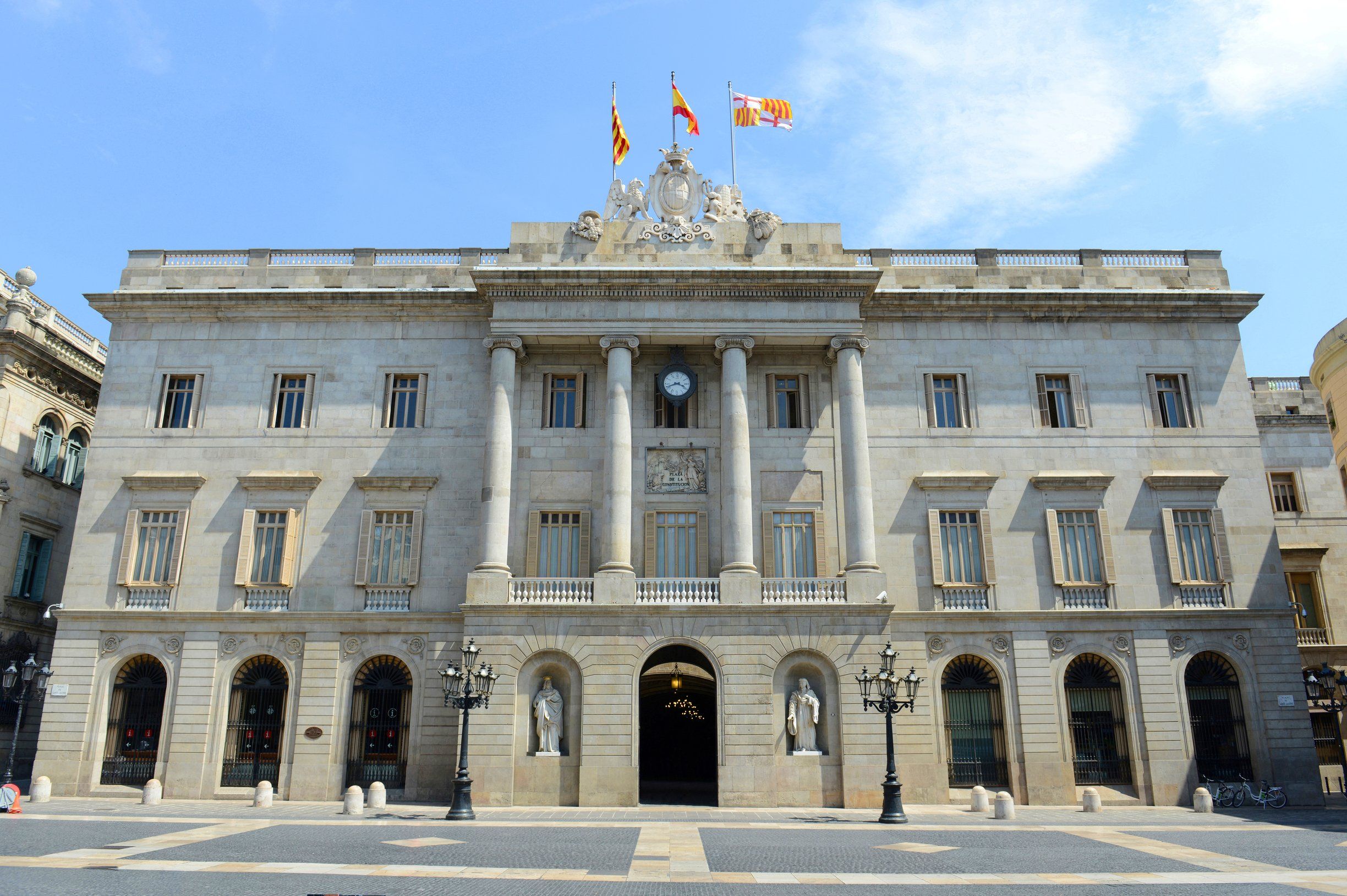
Plaza de San Jaime is a historic space in the heart of Barcelona, known for its political and cultural importance. Located in the Ciutat Vella district, it houses two iconic buildings: Palau de la Generalitat and Ayuntamiento de Barcelona.
-
Plaça Nova
- el Barri Gòtic
From the Catedral de Barcelona to the lost neighbourhood and the Sant Roc festivities, you can expect an experience full of excitement in a square with almost 700 years of history.
-
Plaça Reial
- el Barri Gòtic
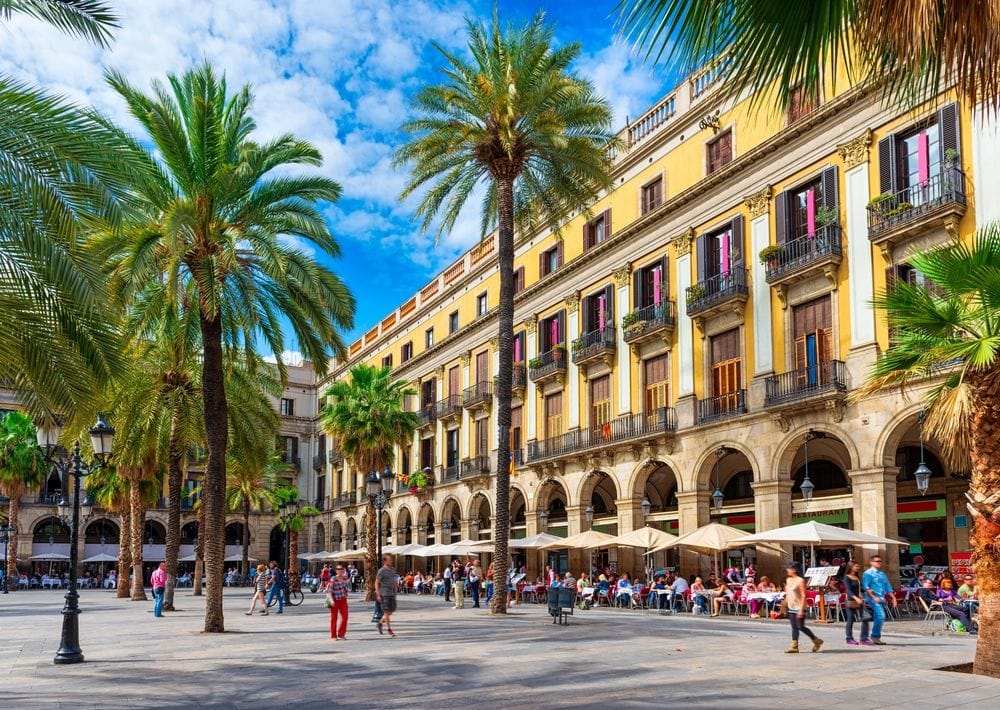
Plaza Real is one of the most iconic places in Barrio Gótico, combining architectural beauty with the dynamism of urban life.
-
Plaça de Sant Felip Neri
- el Barri Gòtic
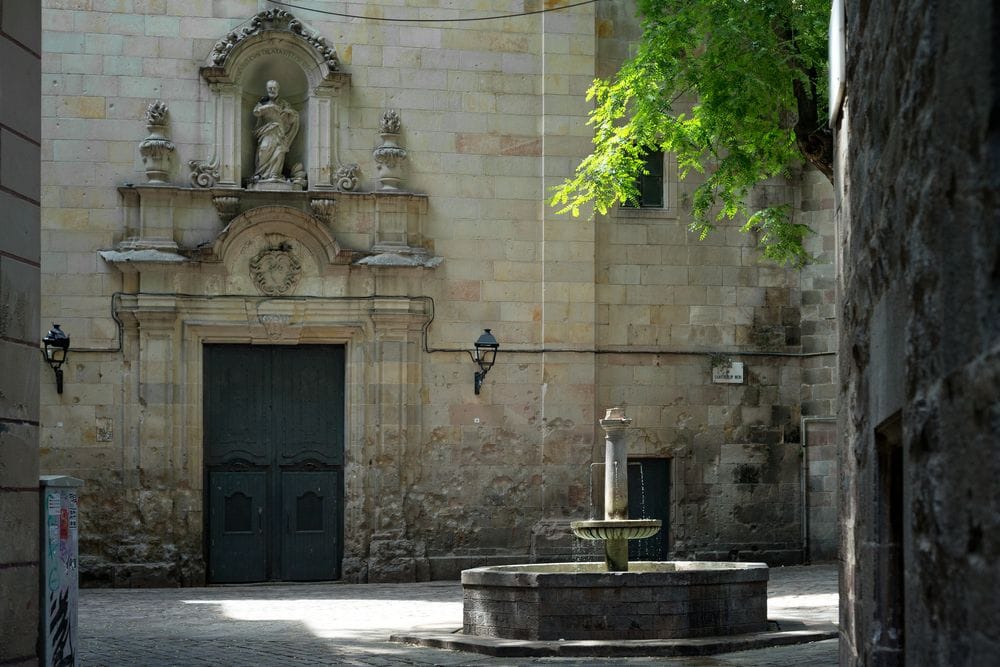
Plaça de Sant Felip Neri is a small corner in central Barcelona. With a peaceful, magical atmosphere, this square is a true hidden treasure.
-
Poble Espanyol
- el Poble-sec
- Museums
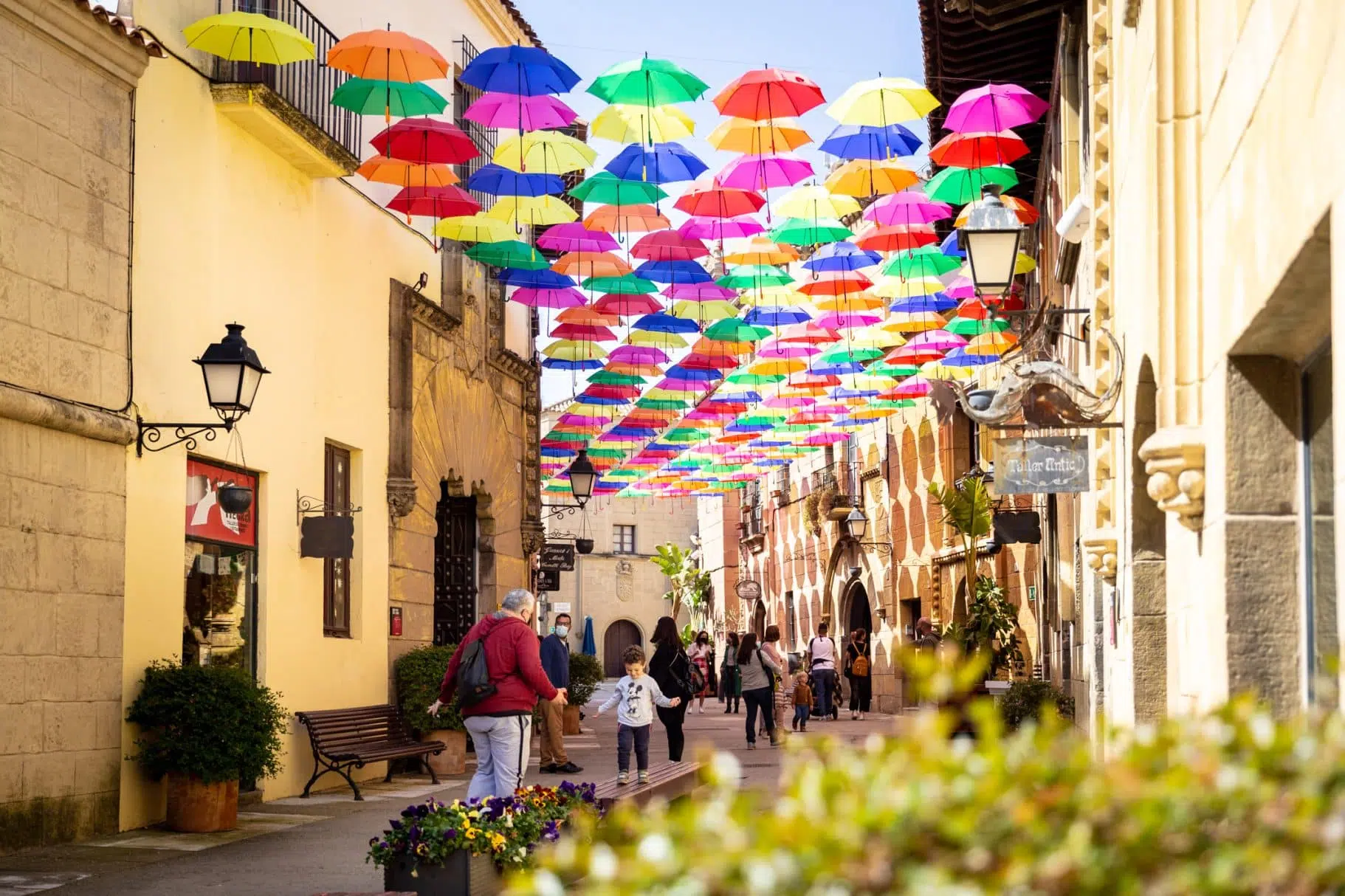
Poble Espanyol is an open-air museum in Barcelona, built for the 1929 International Exposition. This distinctive site recreates an architectural synthesis of diverse Spanish styles and displays reproductions of buildings, squares and streets from across Spain.
-
Poblenou Urban District
- el Poblenou
Poblenou is a district of Barcelona that has undergone a remarkable transformation in recent decades. Originally an industrial area, Poblenou has shifted towards becoming a centre of innovation and creativity, attracting technology and creative companies. This neighbourhood is an appealing place for both residents and entrepreneurs.
-
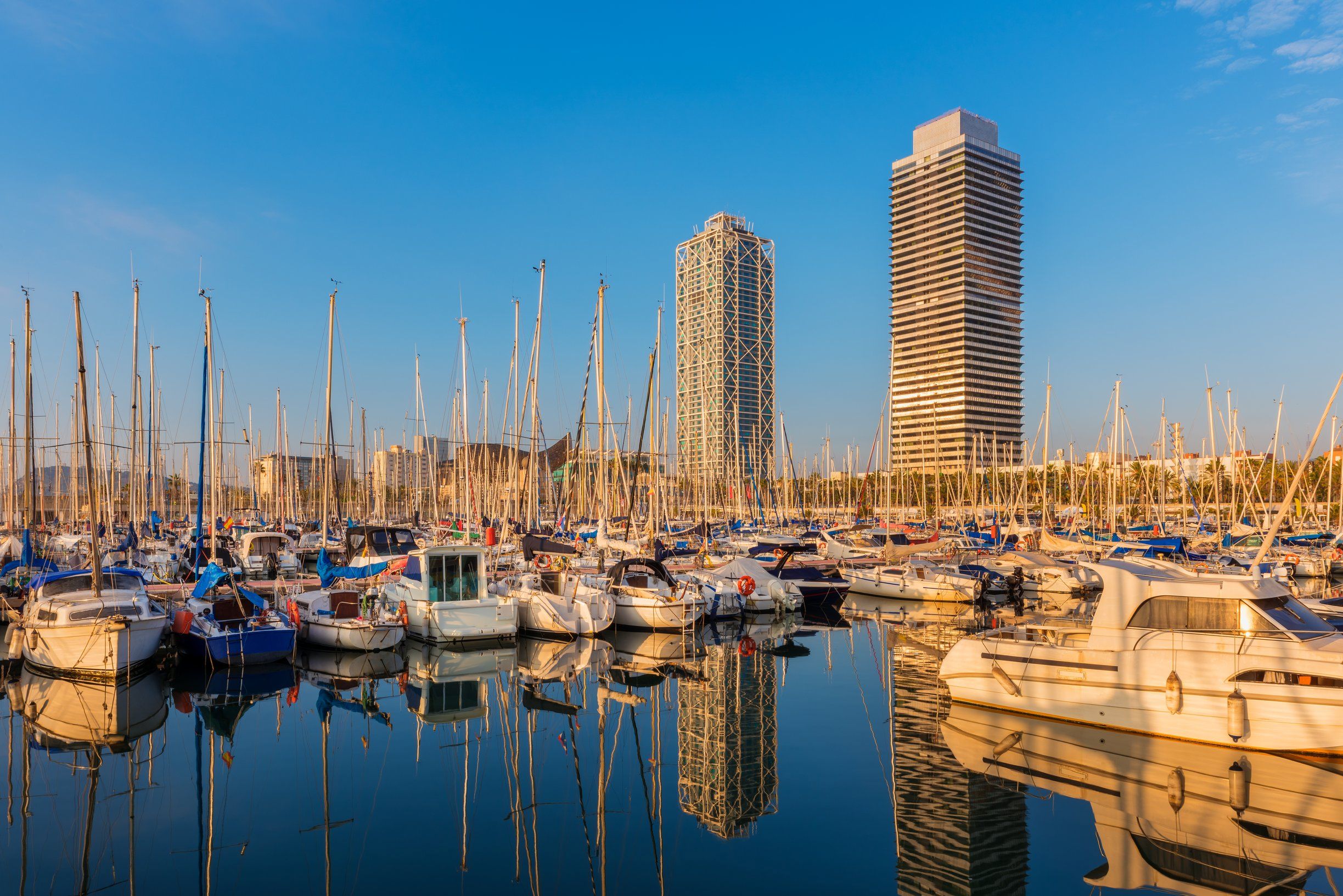
Port Olímpic de Barcelona
- la Vila Olímpica del Poblenou
A space for enjoying the sea and maritime sports.
-
Port Vell
The harbour in a coastal town is like a calling card through which one begins to get to know the city.
-
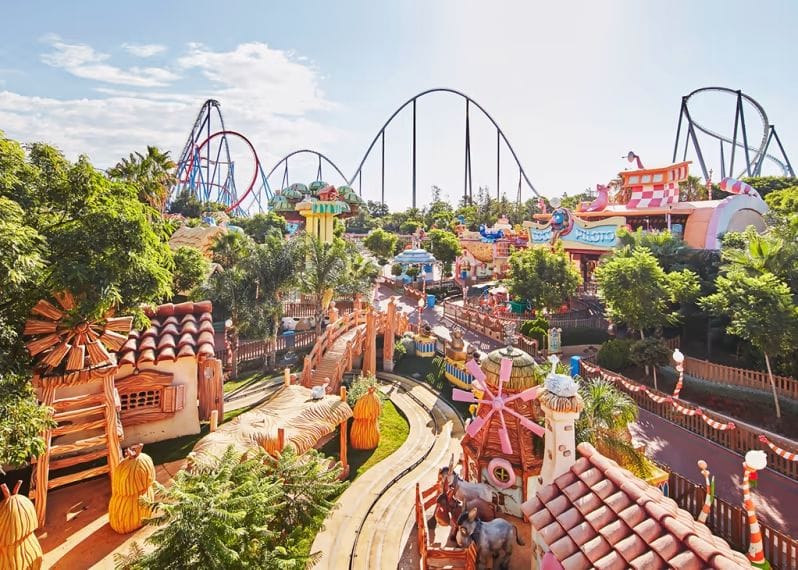
PortAventura World
- Places to go with kids
Discover a magical world at PortAventura World, where the excitement of theme parks meets the comfort of themed hotels.
-
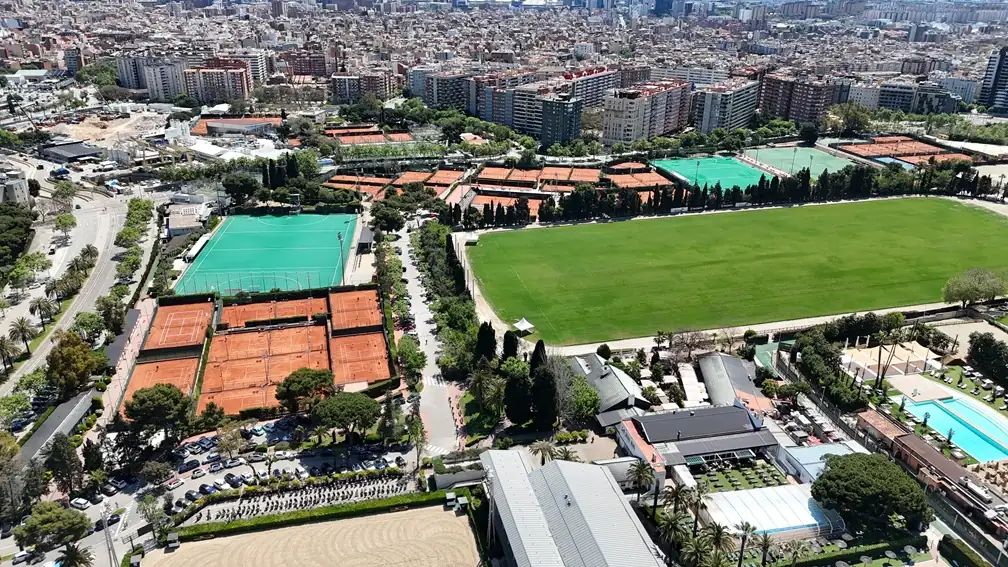
Reial Club de Polo de Barcelona
- la Maternitat i Sant Ramon
- Beauty and wellness
Founded in 1897, the Reial Club de Polo de Barcelona is one of the city's historic sports institutions. Its activities focus on five disciplines: equestrian, hockey, padel, polo, and tennis, practised both for training and competition.
-
Reial Monestir de Sant Pere de les Puelles
- Sant Pere, Santa Caterina i la Ribera
It is a former Benedictine monastery located in the heart of Ciutat Vella.
-
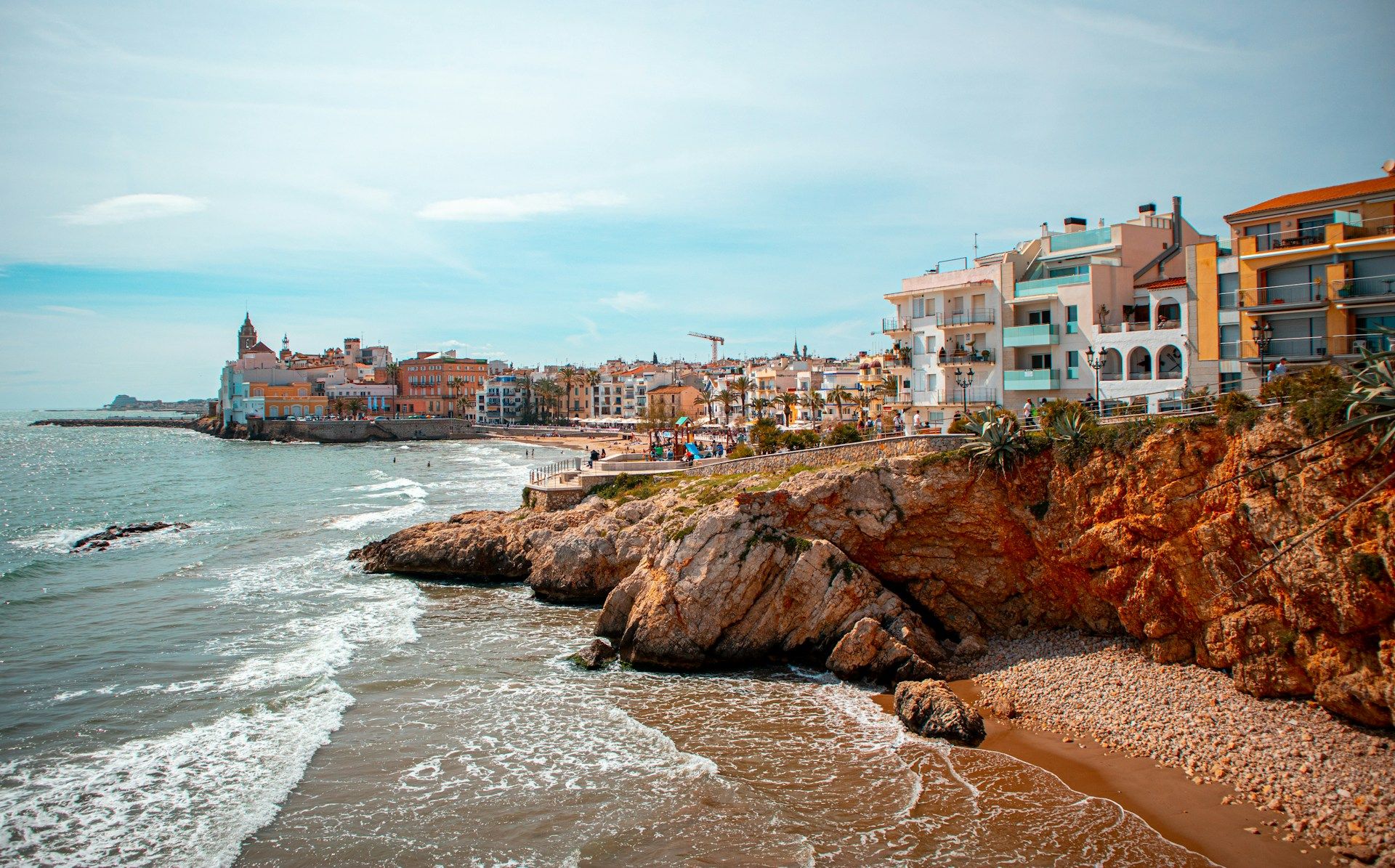
Sitges
Sitges is a destination that blends history, culture, nature, and fun to offer an unforgettable experience on the beautiful Catalan coast.
-
Teleférico de Montjuïc
- el Poble-sec
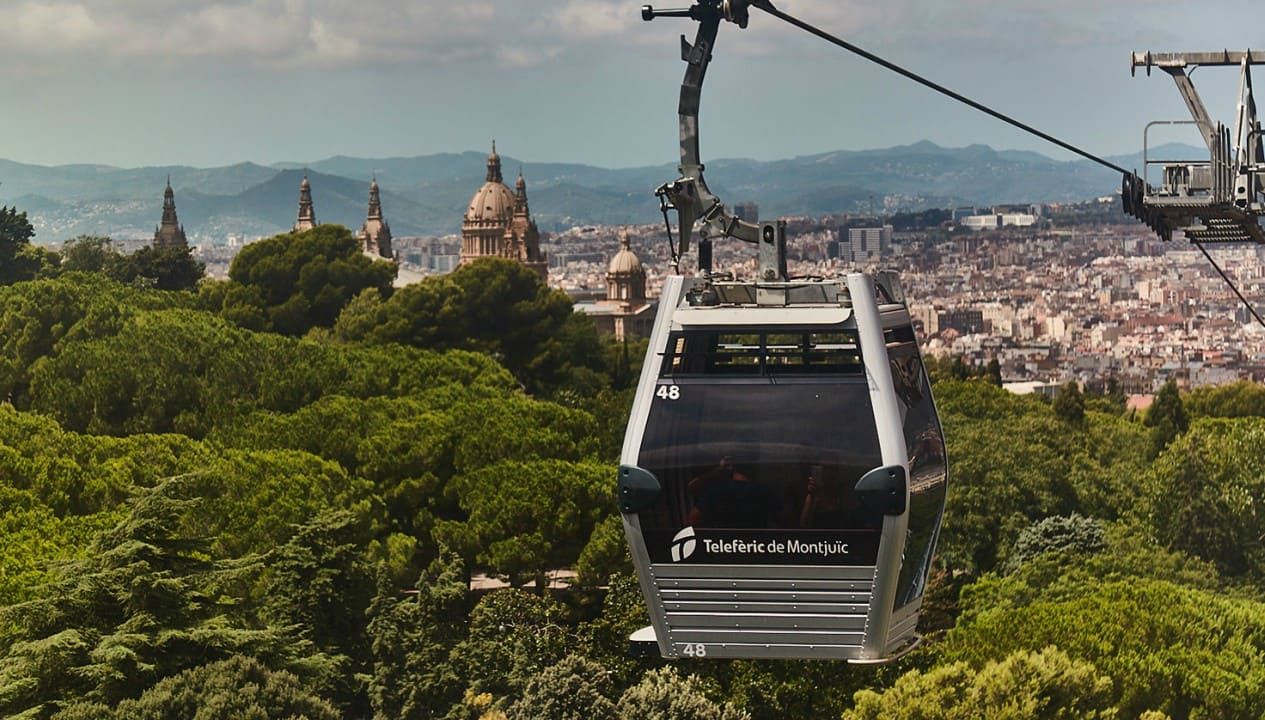
A perfect place to relax and take the ideal photo. Recommended for all lovers of new experiences and beautiful landscapes.
-
Parque de Atracciones Tibidabo
- Vallvidrera, el Tibidabo i les Planes
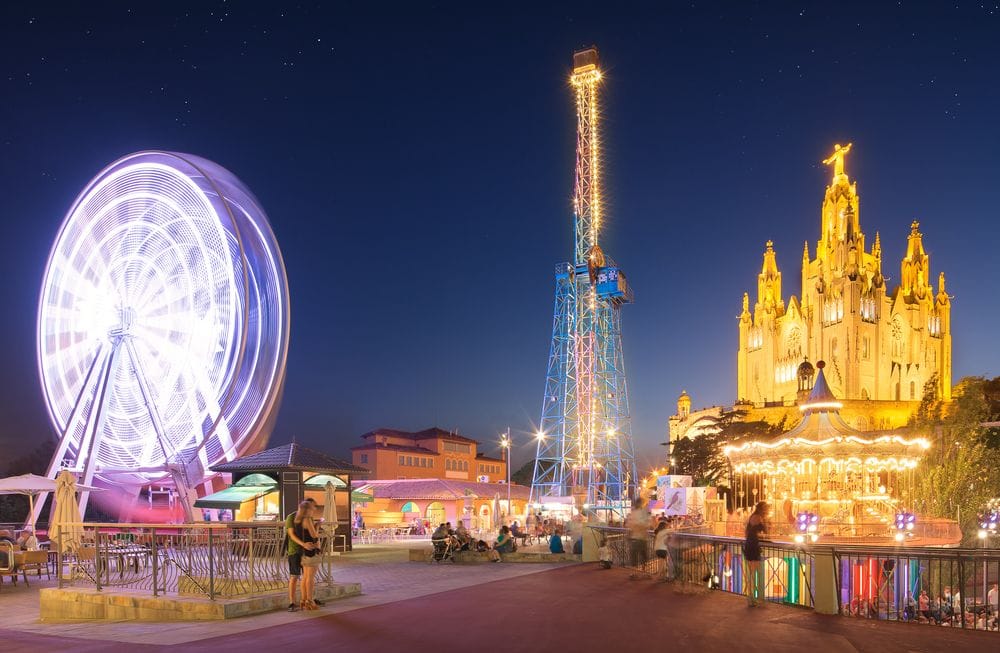
Parque de Atracciones Tibidabo is an iconic theme park located on Tibidabo mountain in Barcelona. It is one of the world’s oldest amusement parks and offers a unique combination of entertainment, fun and spectacular panoramic views of the city.
-
Torre del Rellotge
- la Barceloneta
Built in the XVIII century, the Torre del Rellotge has witnessed the passage of time and the changes in the port of Barcelona. Its transformation from lighthouse to clock and its role in science make it a monument full of meaning, visible from many points in the city.
-
Torre Glòries
- el Parc i la Llacuna del Poblenou
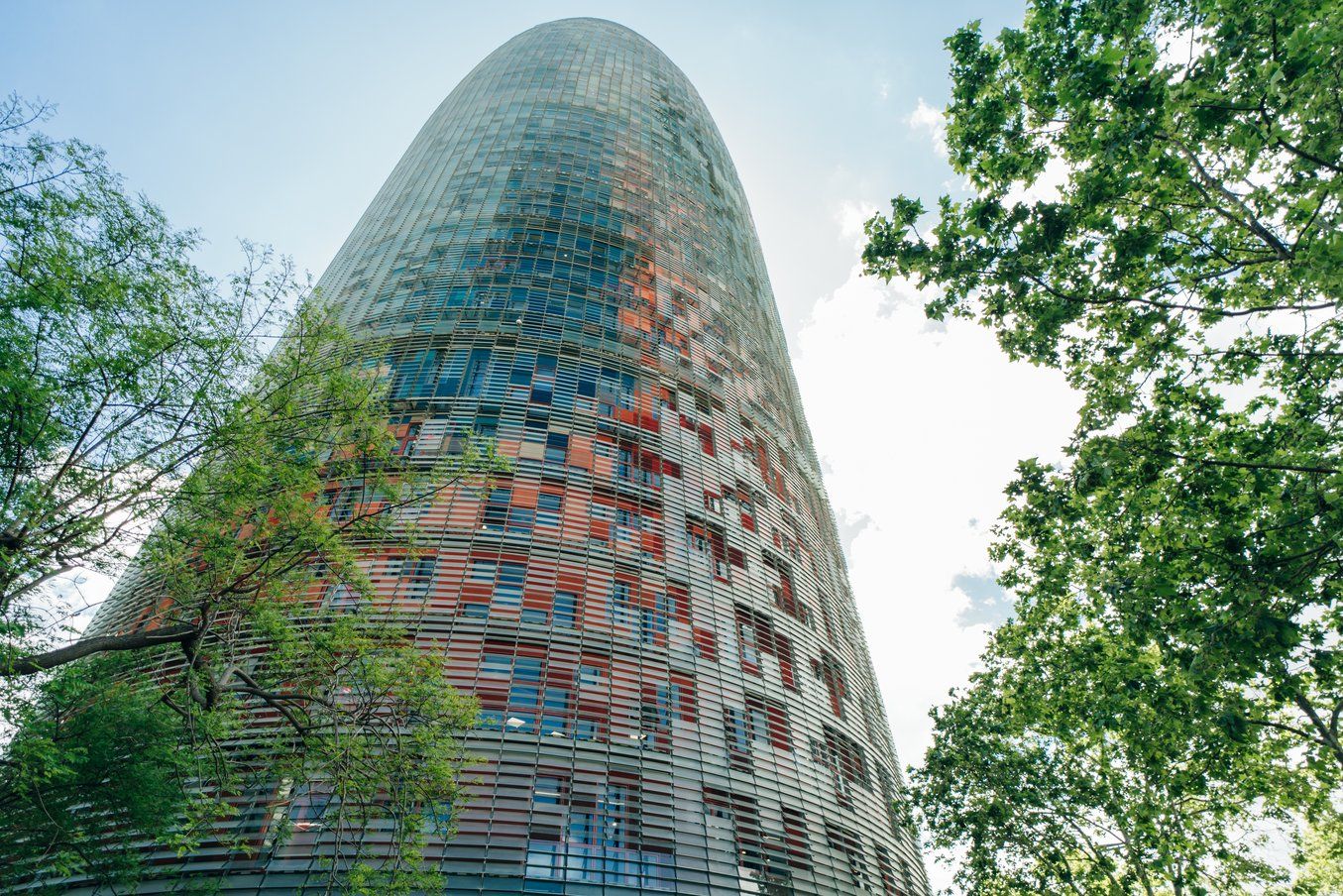
Torre Glòries is a 144-metre-tall skyscraper designed by the architect Jean Nouvel. Beyond its architectural beauty, the tower is a symbol of the city.
-
Torres Venecianes
- el Poble-sec
Its architectural beauty and historical significance make it a distinctive and majestic monument.
-
Turó Park
- Sant Gervasi - Galvany
Turó Park has a particular way of relating to the city: it does not try to escape from it, it simply turns down the volume. Surrounded by one of Barcelona's most elegant settings, this urban garden retains a calm atmosphere where time seems to move at a different pace.
-
Walden 7
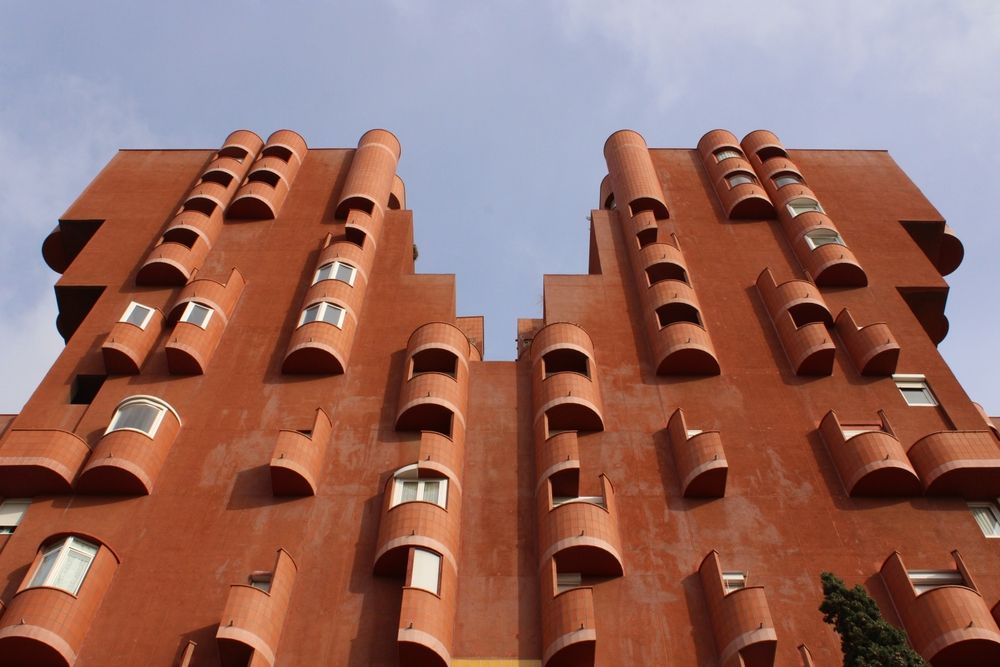
The Walden 7 residential complex is one of the boldest and most recognisable works of contemporary architecture in the Barcelona area. Designed by Ricardo Bofill and Taller de Arquitectura and opened in 1975, this distinctive building challenged the conventions of collective housing by imagining a completely different way of living in the city.
-
Zoo de Barcelona
- Sant Pere, Santa Caterina i la Ribera
- Places to go with kids
The zoo has always been a place where people of all ages can discover flora and fauna from around the world. But what if we told you that Zoo Barcelona goes a step further?
-
Fira de Barcelona
- el Poble-sec
- Shopping centres
Fira de Barcelona is a multifunctional exhibition complex on Montjuïc in Barcelona.
-
Mercat de Sant Josep de la Boqueria
- el Raval
- Shopping centres
La Boqueria is an iconic place in the heart of Barcelona that captivates visitors with its rich history, diversity of products and lively atmosphere. Founded in the 13th century, this market is one of Barcelona’s oldest and one of Europe’s largest.
-
La Estació del Nord
- el Fort Pienc
- Shopping centres
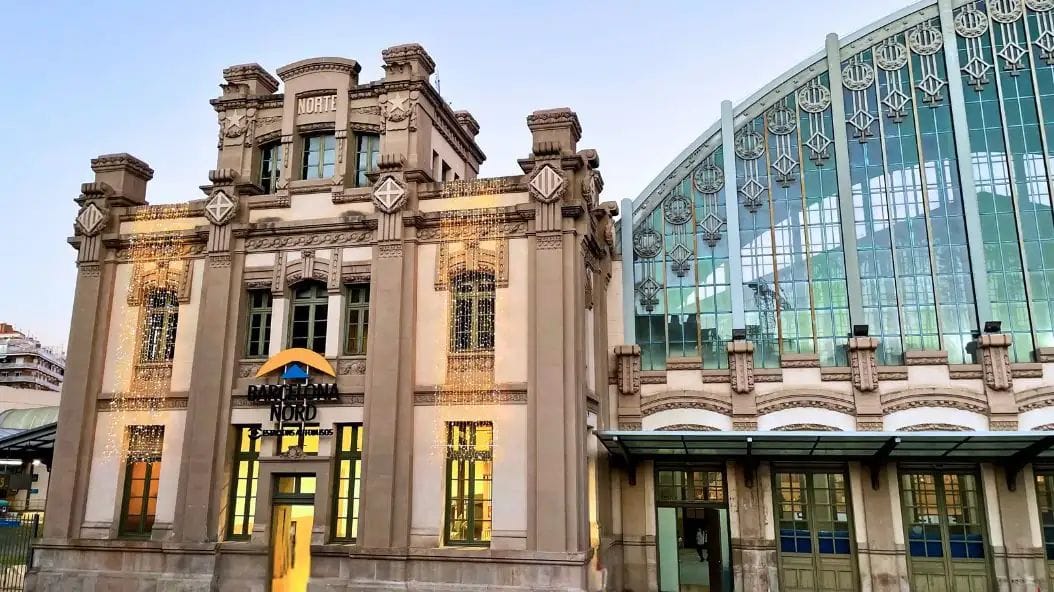
Estación del Norte is one of those spaces where the city has managed to reinvent itself without erasing its past.
-
Mercat de Sant Antoni
- Sant Antoni
- Shopping centres
The mercado de Sant Antoni is one of the most important markets in Barcelona. It's also a place with pleasant and varied stalls, where you can find just about anything.
-
Mercat dels Encants
- el Fort Pienc
- Shopping centres
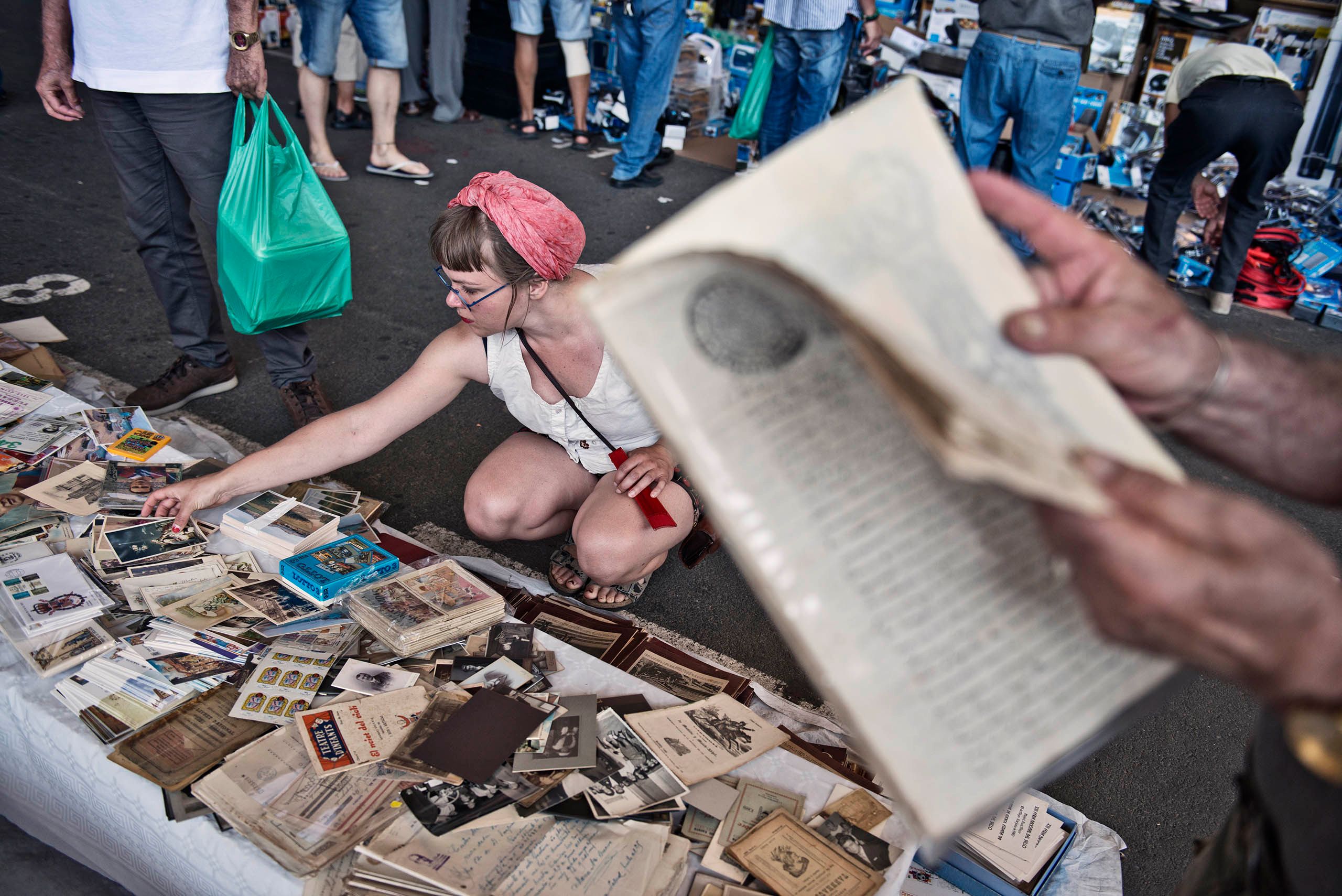
Mercat dels Encants, also known as Fira de Bellcaire, is one of the oldest flea markets in Barcelona and offers a unique shopping and meeting experience. Located in the Sant Martí district, this open-air market is known for its lively atmosphere and the wide variety of products you can find.
-
plaza «La Monumental»
- el Fort Pienc
- Theatres
Plaza La Monumental is a genuine landmark, known mainly for its former bullring, opened in 1914. This majestic building, designed by architect José Espiau y Muñoz, stands out for its impressive Neo-Mudéjar style, combining Arab and Andalusian elements, and has become a symbol of the city’s Modernista architecture.
-
Espacio «Paral·lel 62»
- el Raval
- Theatres
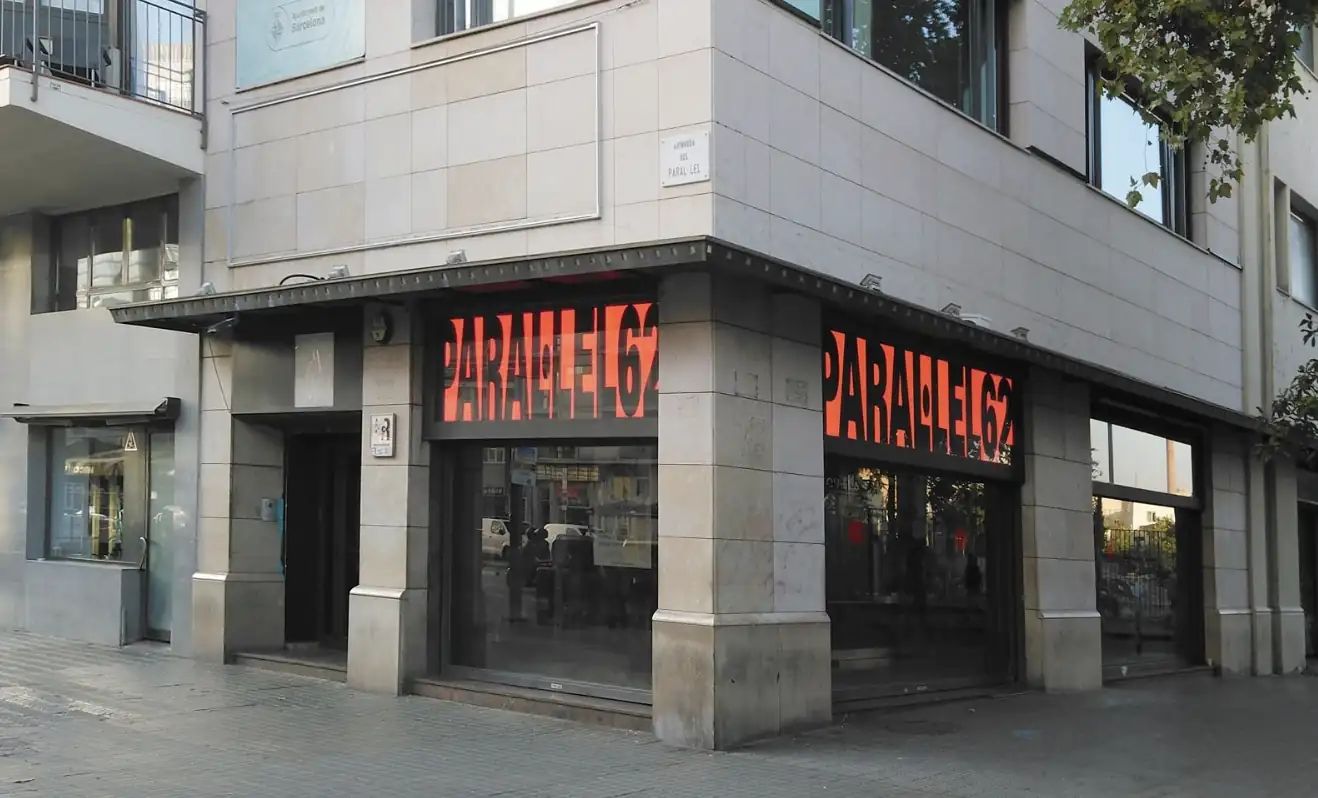
Paral·lel 62 is much more than a performance venue. Located on one of Barcelona's most historic avenues for the performing arts, this space was created with the aim of combining cultural programming, social commitment, and citizen participation in a single project.
-
Ajuntament de Barcelona
- el Barri Gòtic
The Ajuntament de Barcelona is much more than an administrative centre; it is a symbol of the city's rich history and vibrant political life. Located in Plaça Sant Jaume, this building is key to understanding the development and management of Barcelona.
-
Biblioteca de Catalunya
- el Raval
- Museums
The Biblioteca de Catalunya is a key space for study, research, and enjoying Catalan culture, serving as a centre of knowledge and a meeting point for all lovers of books and new ideas.
-
Casa Calvet
- la Dreta de l'Eixample
- Museums
A visit to Casa Calvet is a chance to appreciate Gaudí's mastery and his ability to combine functionality and beauty in his creations.
-
Casa de les Punxes
- la Dreta de l'Eixample
- Museums
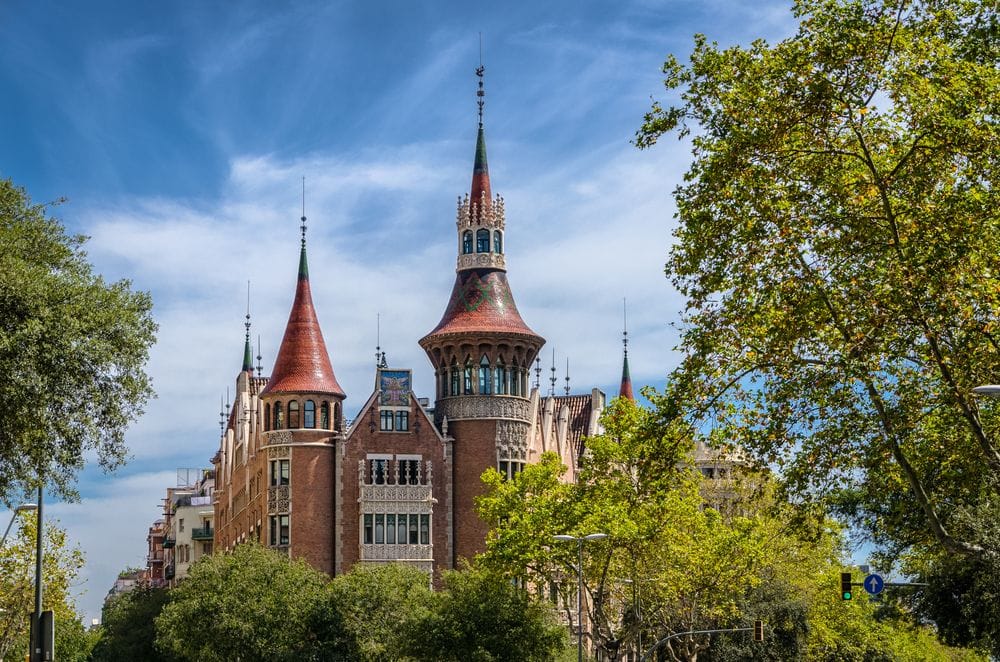
A visit to Casa de les Punxes is a unique opportunity to immerse yourself in the world of Catalan modernism and appreciate the creativity and talent of Puig i Cadafalch.
-
Casa Macaya
- la Dreta de l'Eixample
- Museums
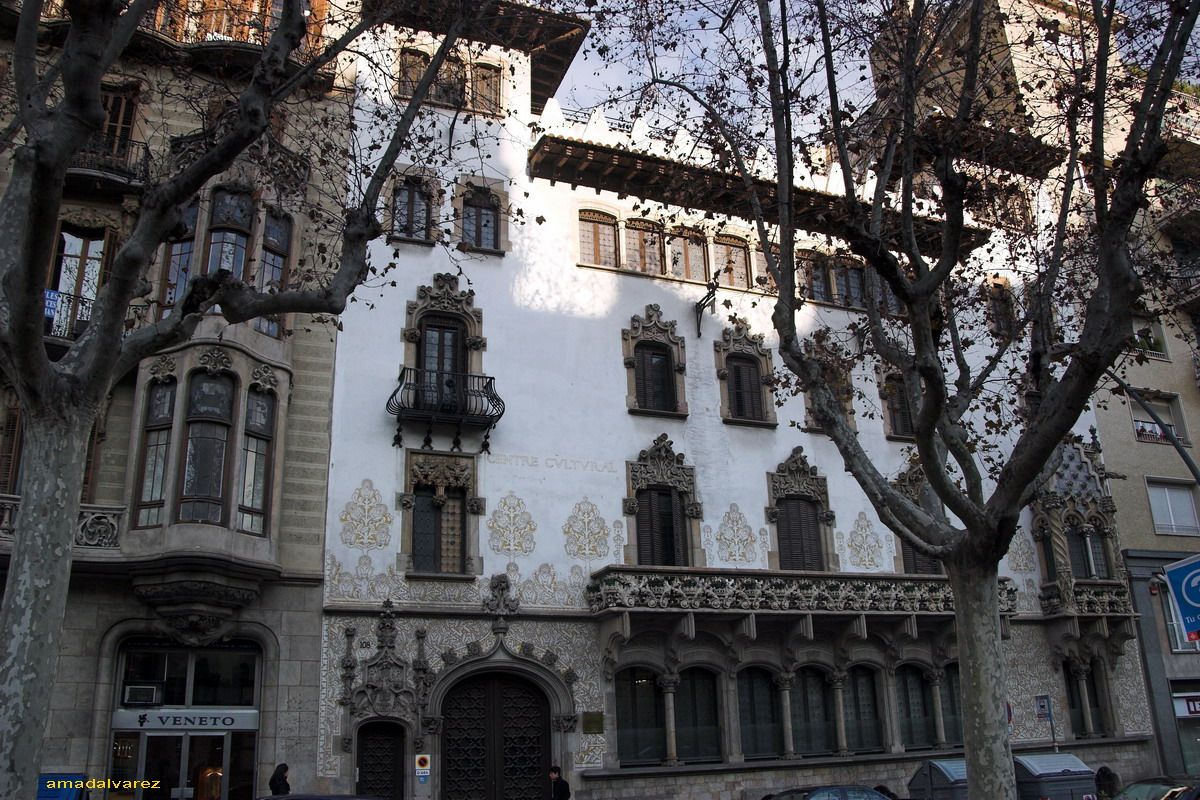
Casa Macaya, also known as Palau Macaya, is an iconic Modernista building in Barcelona’s Dreta de l’Eixample neighbourhood. Designed by architect Josep Puig i Cadafalch, it is a clear example of Catalan Modernisme.
-
Casa Milà — La Pedrera
- la Dreta de l'Eixample
- Museums
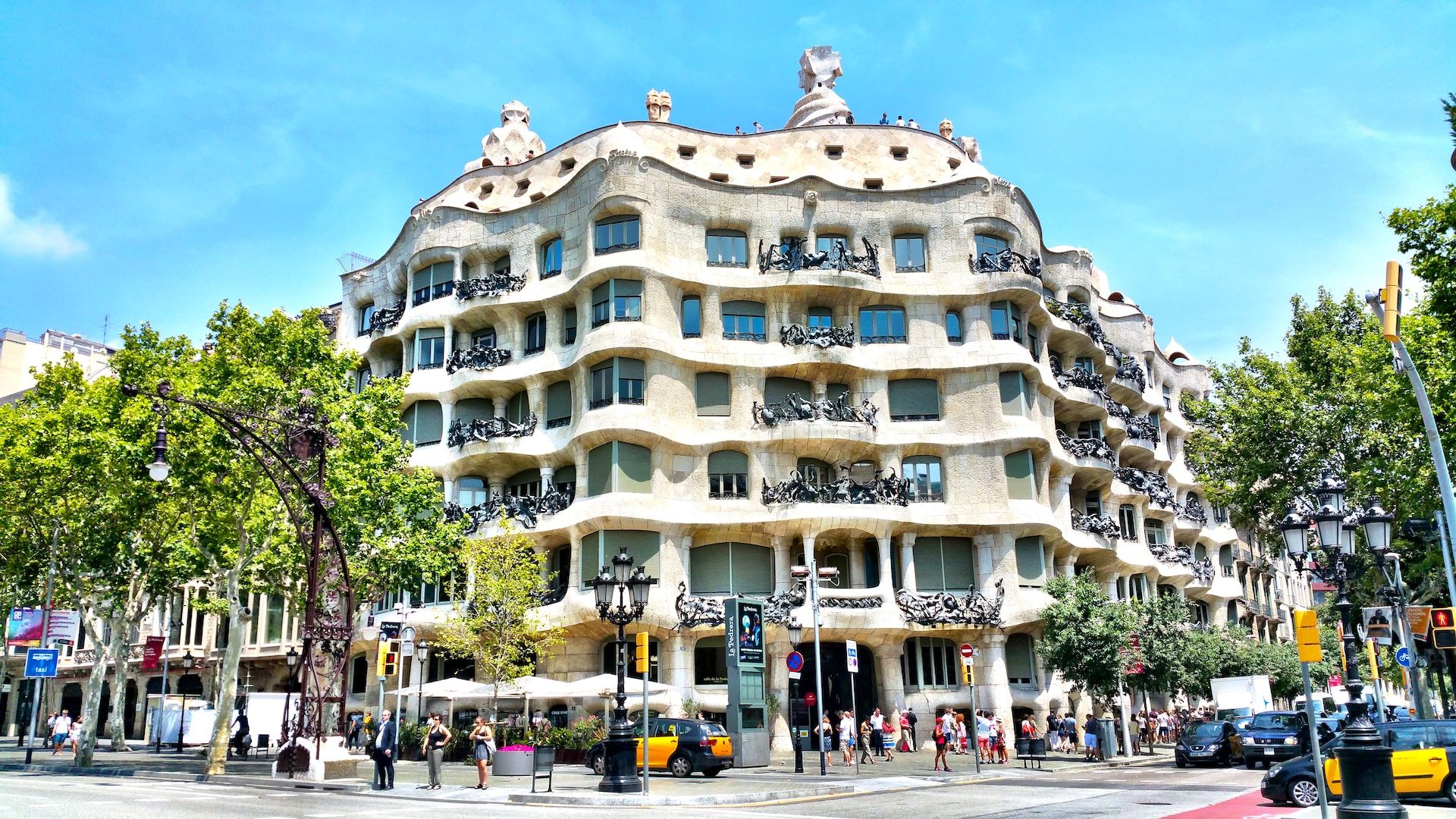
Casa Milà, or La Pedrera, is one of the most outstanding and recognisable creations of Antoni Gaudí. With its curved, undulating lines, Casa Milà stands out among the city's conventional buildings. Its impressive balconies and rooftop, with the famous chimneys shaped like stone warriors, reflect the care and attention to detail that Gaudí put into every aspect of his design.
-
Casa Vicens
- la Vila de Gràcia
- Museums
Casa Vicens is one of the lesser-known but equally impressive masterpieces of iconic Catalan architect Antoni Gaudí. Built between 1883 and 1885, it represents one of Gaudí’s first major works and marks the beginning of his distinctive style, which would later become the foremost expression of Catalan Modernisme.
-
Cascada Monumental
- Sant Pere, Santa Caterina i la Ribera
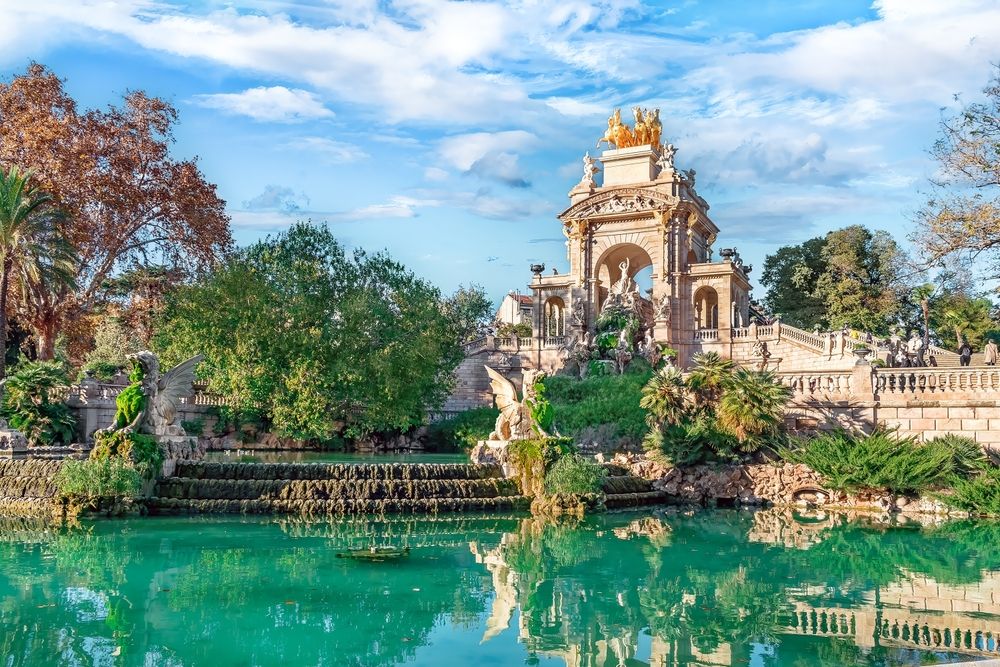
Cascada Monumental is an impressive fountain designed by Antoni Gaudí in Parc de la Ciutadella.
-
Catedral de Barcelona
- el Barri Gòtic
- Museums
The Catedral de la Santa Cruz y Santa Eulalia, also called the Catedral de Barcelona, is a monument of the Catalan city’s architectural heritage.
-
Estación de Francia
- Sant Pere, Santa Caterina i la Ribera
- Museums
Estación de Francia is recognised as an architectural landmark and an important railway centre. Its construction dates back to the end of the XIX century and it stands out for its impressive neoclassical design, detailed ornamentation, and spacious interiors.
-
Fabra i Coats (Fàbrica de Creació)
- Sant Andreu
- Museums
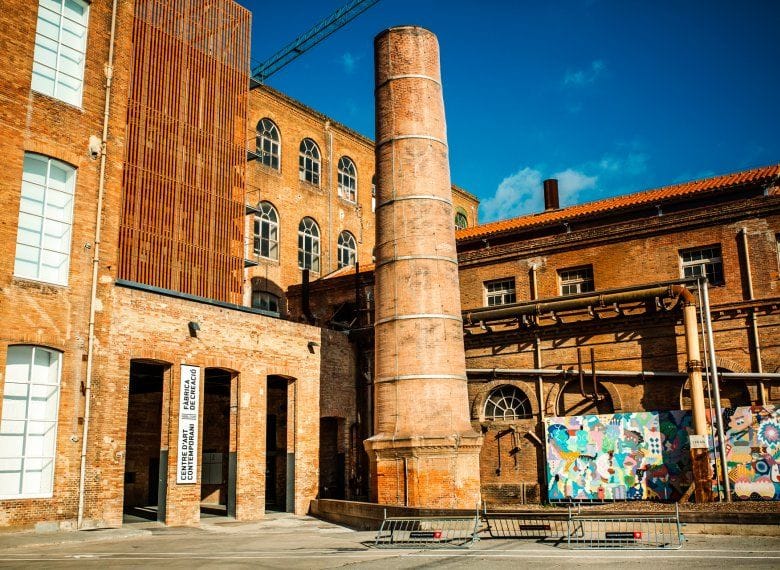
Fabra i Coats is a former textile factory located in the Sant Andreu district of Barcelona that has been transformed into a thriving cultural and artistic centre.
-
Hivernacle de la Ciutadella
- Sant Pere, Santa Caterina i la Ribera
- Museums
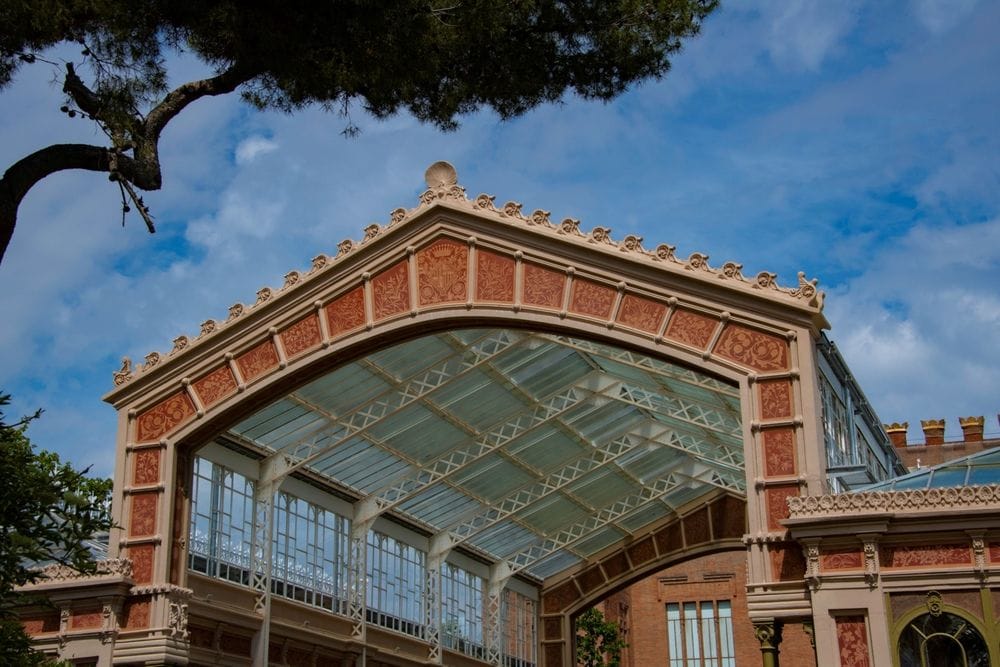
Following a meticulous restoration process, the Ciutadella Greenhouse reopens as an exquisite biodiversity space in the heart of Barcelona.
-
Parc del Laberint d'Horta
- Horta
- Museums
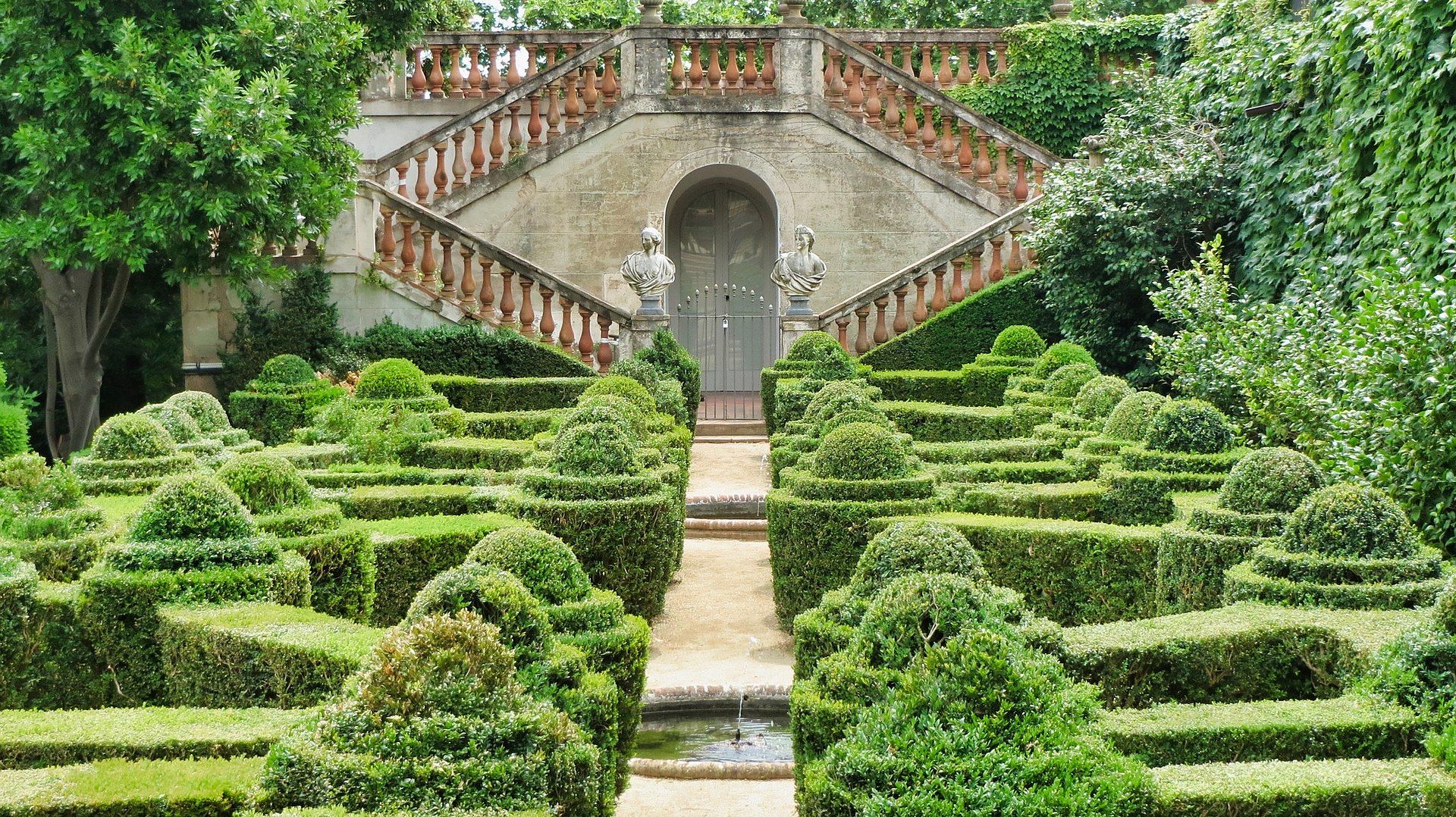
Parque del Laberinto de Horta is a hidden treasure in Barcelona, an oasis of natural beauty and tranquillity amid the bustling city. Dating from the 18th century, this park is the oldest garden preserved in the city and offers visitors a unique experience.
-
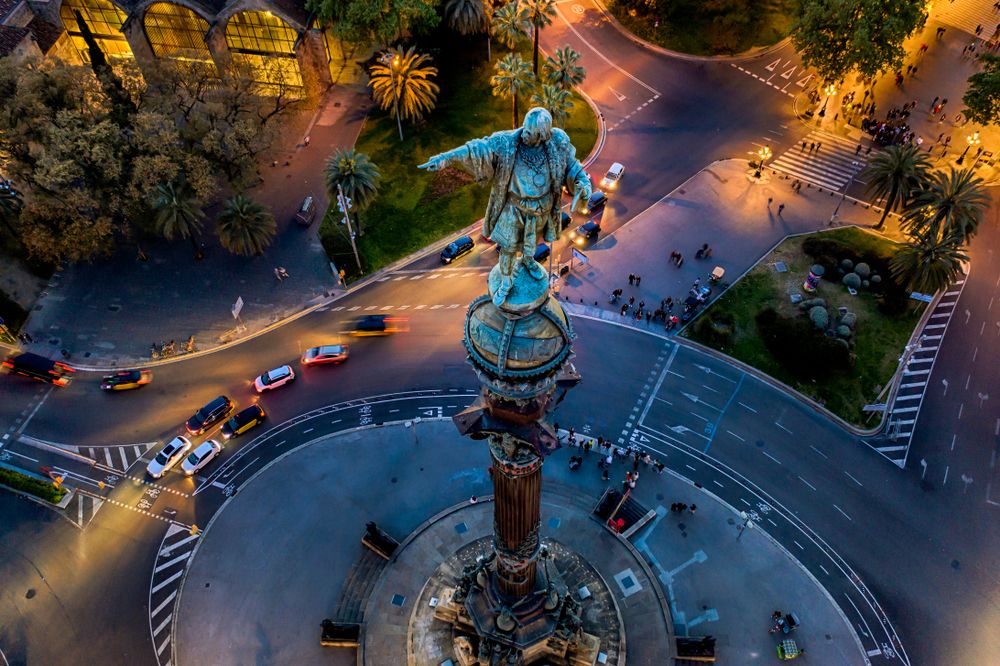
Mirador de Colom
- el Barri Gòtic
- Museums
It is an impressive landmark, a giant iron monument with an observation platform that offers stunning panoramic views.
-
Palacete Albéniz
- el Poble-sec
- Museums
Palacete Albéniz is one of Barcelona's least known and most singular corners. Hidden among the Jardines de Joan Maragall, on Montjuïc mountain, this elegant building has remained apart from the city's everyday bustle for decades, reserved for official receptions and state visits.
-
Palau de la Generalitat de Catalunya
- el Barri Gòtic
- Museums
Palacio de la Generalidad de Cataluña is an iconic building located in the heart of Barcelona, in Plaza de San Jaime. It is the seat of the Catalan government and has witnessed important historical events over the centuries.
-
Palau de la Virreina
- el Raval
- Museums
Palau de la Virreina is one of La Rambla’s great historic buildings and one of the most elegant jewels of civil Baroque architecture in Barcelona. Built in the 18th century as a stately residence, it stands out for an architecture that combines the monumentality of its façades with the ornamental richness of its interiors, making it a privileged testament to the city’s urban history.
-
Palau Moja
- el Barri Gòtic
- Museums
Palau Moja is one of La Rambla’s most iconic historic buildings and one of the best gateways to discovering Catalonia’s cultural heritage. Built at the end of the 18th century as a residence for Barcelona’s aristocracy, this elegant palace retains the sophistication of an era when the city was beginning to transform and open itself to modernity.
-
Palau Nacional
- el Poble-sec
- Museums
Located on Montjuïc, the monumental Palau Nacional is one of the city’s symbols. Built for the 1929 International Exposition, this Neo-Romanesque building stands out for its imposing dome and ornate façades.
-
Palau Robert
- la Dreta de l'Eixample
- Museums
Palau Robert is one of the most iconic buildings on Passeig de Gràcia and an outstanding example of Barcelona Neoclassical architecture. Built at the beginning of the 20th century as the private residence of aristocrat Robert Robert i Surís, the palace has successfully reinvented itself over time to become an active cultural centre open to the public.
-
Palo Alto Barcelona
- Diagonal Mar i el Front Marítim del Poblenou
- Museums
Located in the buildings of a former factory, this cultural centre, dating from 1989, has become a reference point for dozens of photographers, painters, architects and designers from Catalonia, Spain and other European countries.
-
Park Güell
- la Salut
- Museums
Parc Güell, an iconic work designed by Catalan architect Antoni Gaudí, embodies the architect’s creativity and vision. This public park stands on a hill in Barcelona and is known for its colourful, organic Modernista design. Inspired by nature, Gaudí created a space where architecture and the natural environment merge harmoniously.
-
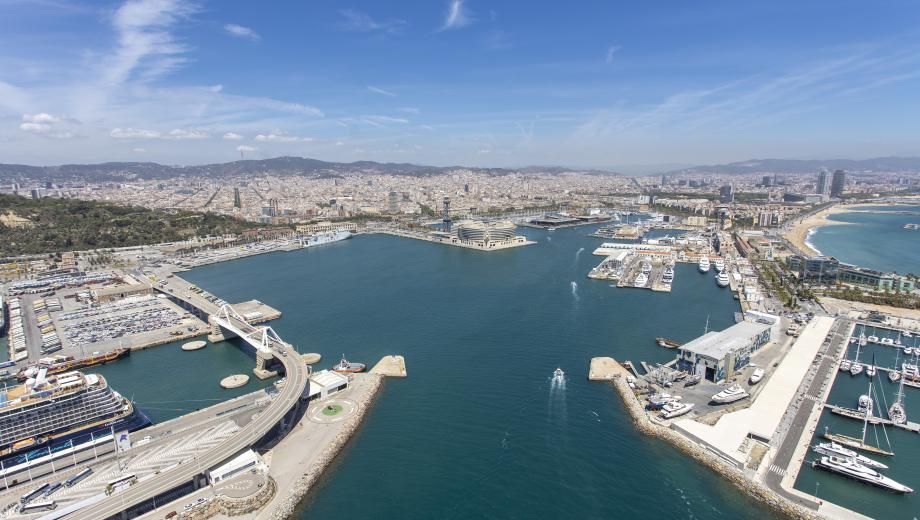
Puerto de Barcelona
- la Marina del Prat Vermell
The Puerto de Barcelona is one of the most important ports in Europe. Located on Spain’s Mediterranean coast, it is known for its excellent infrastructure and commercial vitality.
-
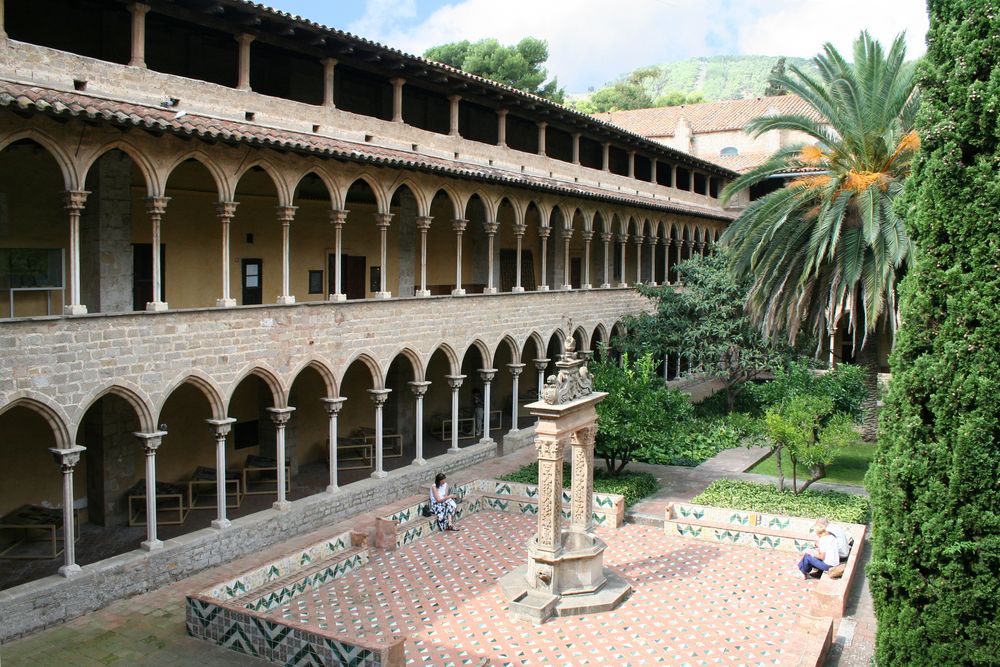
Reial Monestir de Santa María de Pedralbes
- Pedralbes
- Museums
The Reial Monestir de Santa María de Pedralbes is a beautiful monastery located in Barcelona.
-
Basílica de la Sagrada Familia
- la Sagrada Família
- Museums
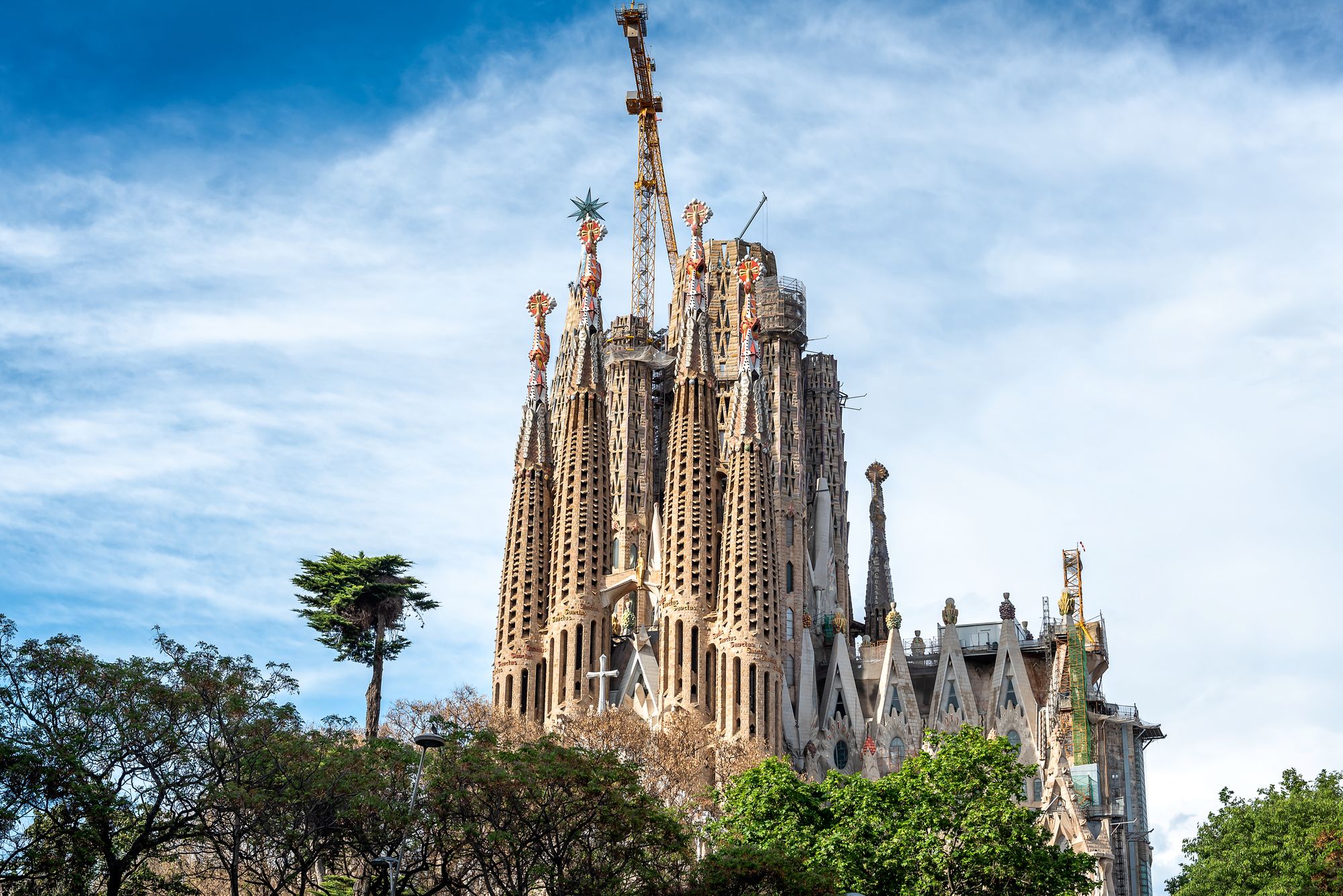
The Basílica de la Sagrada Familia in Barcelona is an architectural masterpiece that continues to amaze the world. Designed by the Catalan genius Antoni Gaudí, this magnificent church stands out for its unique architecture and the incorporation of natural forms in its design.
-
Temple Expiatori del Sagrat Cor
- Vallvidrera, el Tibidabo i les Planes
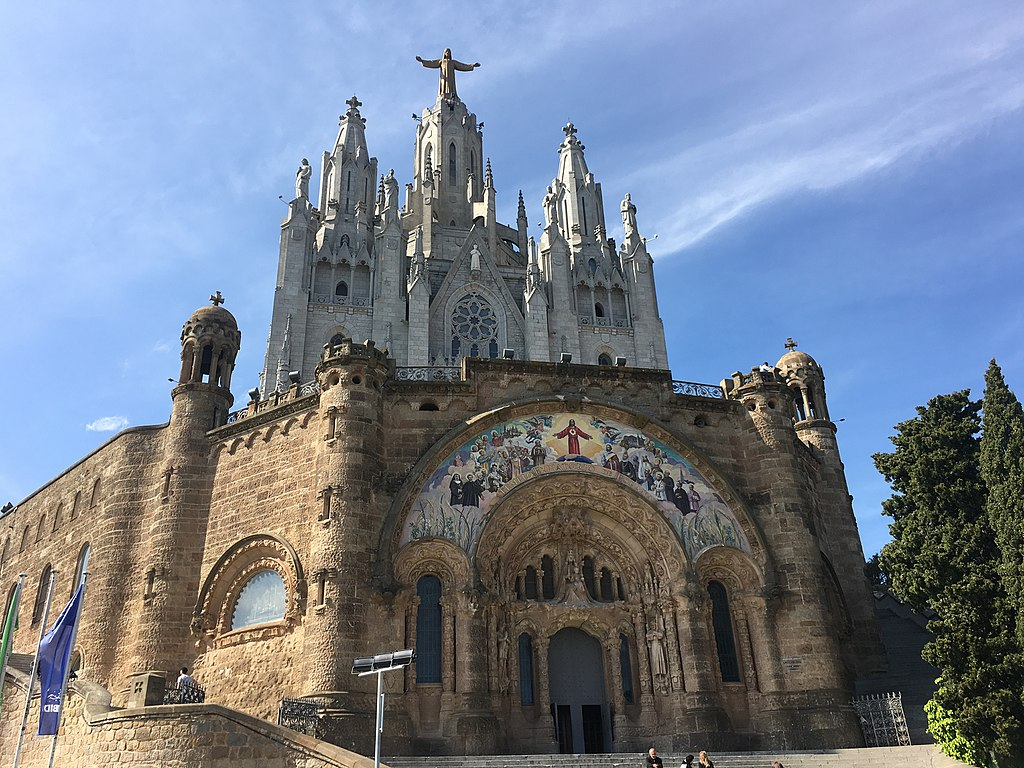
Known in Spanish as the Templo del Sagrado Corazón de Jesús, this impressive church stands at the top of Monte Tibidabo. The temple is one of Barcelona's architectural and religious gems, and is an important spiritual and cultural symbol.
-
Templo Romano de Augusto
- el Barri Gòtic
- Museums
Also known as the Templo de Augusto, this archaeological site is located in the heart of the Barrio Gótico. The temple is one of the few visible remains of the Roman presence in Barcelona.
-
La Universidad de Barcelona
- Sant Antoni
- Museums
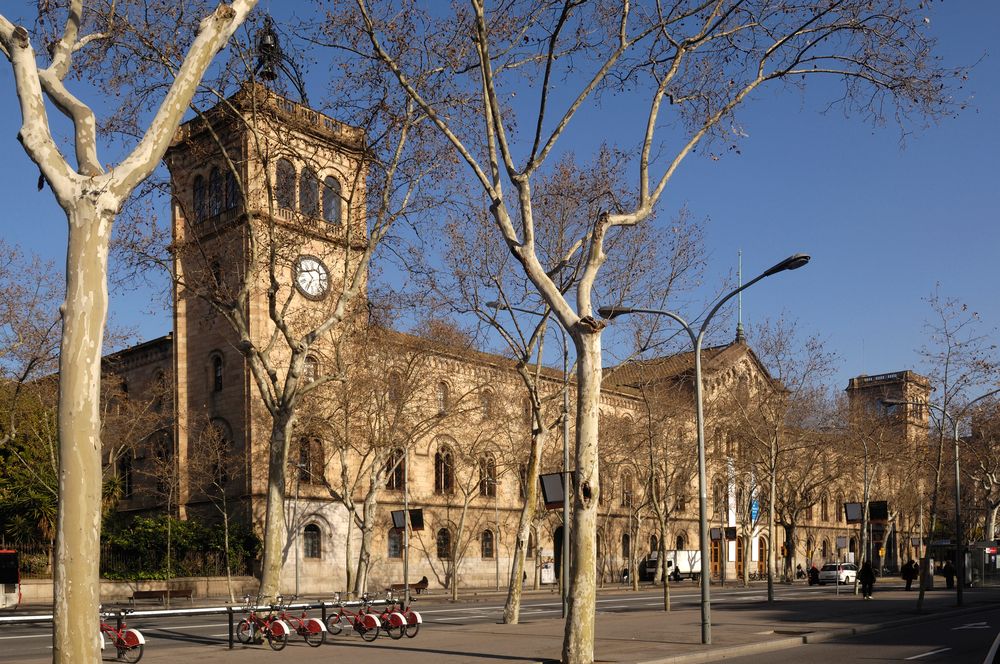
The University of Barcelona (UB) stands out as one of Barcelona’s oldest and most prestigious academic institutions. Since its founding in 1450, it has been recognised as one of the leading universities in Spain and Europe.
-
Espai Gastronòmic «L'Estació»
- Sant Pere, Santa Caterina i la Ribera
- Shopping centres
- Restaurants
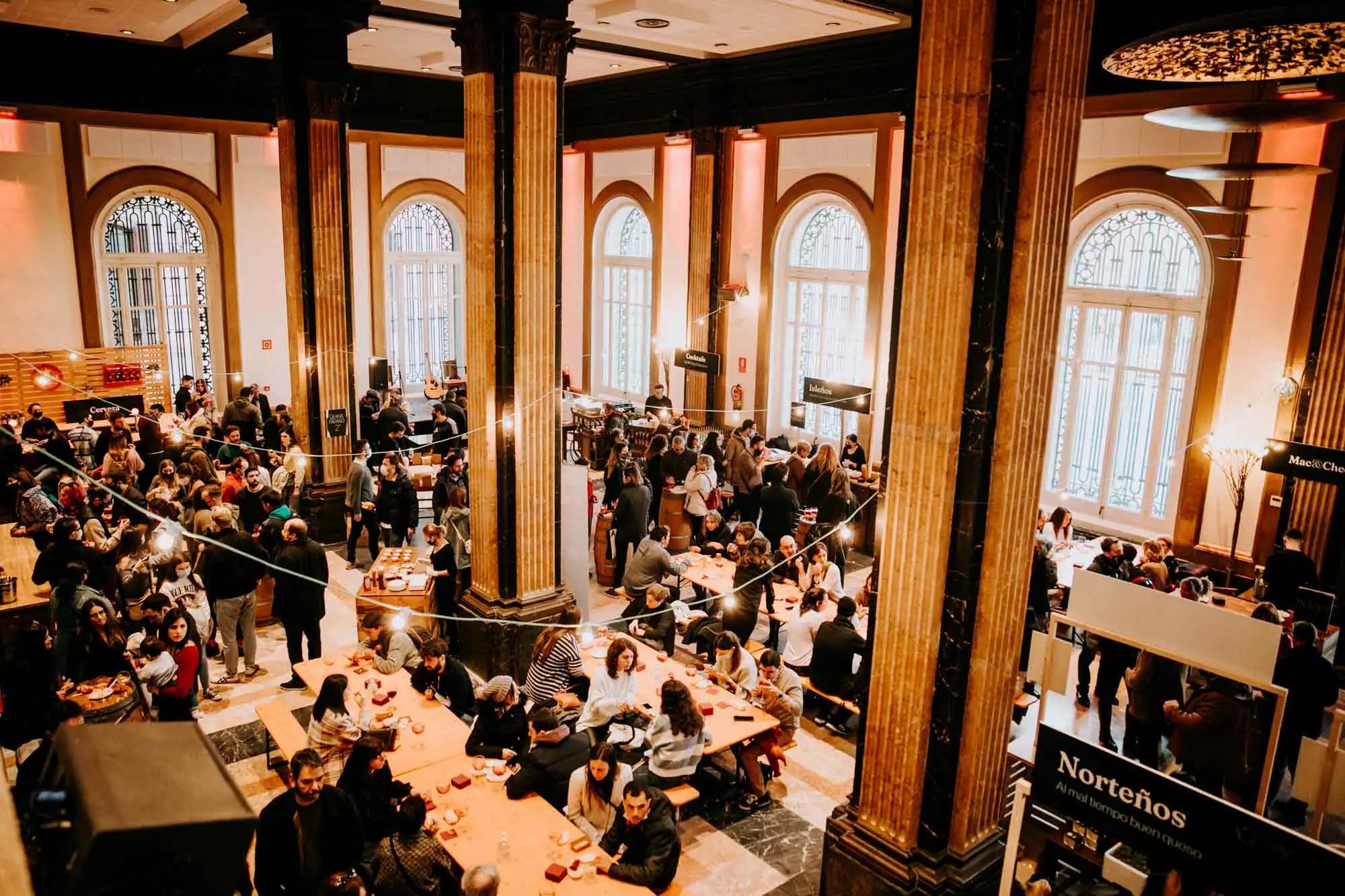
L’Estació Espai Gastronòmic is one of those places where the setting sets the tone for what happens inside. Located in the Estación de Francia, one of the city’s most iconic buildings, it combines the grandeur of its architecture with a concept designed to host events of all kinds.
-
Espacio AILAIC
- la Sagrada Família
-
Avinguda de la Catedral
- el Barri Gòtic
-
-
Avinguda Diagonal
- la Dreta de l'Eixample
-
Barrios Besòs y Maresme
- el Besòs i el Maresme
-
Biblioteca Sarrià – J. V. Foix
- Sarrià
-
Camp del Ferro
- la Sagrera
-
Ateneo de Innovación Digital y Democrática «Canòdrom»
- el Congrés i els Indians
-
Carrer de Llull
- el Poblenou
-
Carrer de Pere IV, 93
- el Parc i la Llacuna del Poblenou
-
Casa Convalescència
- el Guinardó
-
Casa de la Barceloneta 1761
- la Barceloneta
-
Casa de Rússia a Barcelona
- el Barri Gòtic
- Theatres
-
Casa Elizalde
- la Dreta de l'Eixample
-
Centre Cívic Casa Orlandai
- Sarrià
-
Casal de Barri Pou de la Figuera
- Sant Pere, Santa Caterina i la Ribera
-
Centre Artesà Tradicionàrius
- la Vila de Gràcia
- Theatres
-
Centre Cultural Albareda
- el Poble-sec
-
-
-
Centre Cívic Casa Golferichs
- la Nova Esquerra de l'Eixample
-
Centre Cívic del Besòs i el Maresme
- el Besòs i el Maresme
-
-
Centre Cívic Navas
- Navas
-
Centre Cívic Pati Llimona
- el Barri Gòtic
-
Centre Cívic Sagrada Família
- la Sagrada Família
-
Centre Cívic Urgell
- la Nova Esquerra de l'Eixample
- Places to go with kids
-
Centre LGTBI de Barcelona
- Sant Antoni
-
Cinemas Verdi Park
- la Vila de Gràcia
-
Cem d’escalada Climbat La Foixarda
- el Poble-sec
-
-
-
Edificio de Telefónica
- el Barri Gòtic
-
-
El Centre de la Platja
- la Barceloneta
-
Espacio 88
- el Parc i la Llacuna del Poblenou
-
-
-
Fundación Adana
- Sant Gervasi - la Bonanova
-
Centre de producció i recerca d'arts visuals «Hangar»
- Provençals del Poblenou
-
House of ERIKALUST
- el Poblenou
-
Hípica La Foixarda
- el Poble-sec
-
Iglesia de la Escuela de las Dominiques de Barcelona
- la Dreta de l'Eixample
-
-
Interior d’illa Beatriu de Provença
- la Sagrada Família
- Places to go with kids
-
Jardí de les Aigües
- la Vila Olímpica del Poblenou
-
Jardí dels Tarongers
- el Raval
- Theatres
-
Jardins de Can Ferreró
- la Marina de Port
-
Jardins de Juan Ponce
- el Carmel
-
-
Jardins del Baluard
- el Raval
-
Jardins la Sedeta
- el Camp d'en Grassot i Gràcia Nova
-
parking exterior La Maquinista
- Baró de Viver
-
laMercedes (Antigua Fábrica ENMASA Mercedes-Benz)
- el Bon Pastor
-
Lemuria Continente Cultural
- el Poblenou
-
-
Lluïsos d'Horta
- Horta
-
-
Moll de Gregal
- la Vila Olímpica del Poblenou
-
Moll de la Barcelonetta
- el Raval
-
Moll de la Marina
- la Vila Olímpica del Poblenou
-
-
Oratori de Sant Felip Neri de Gràcia
- la Vila de Gràcia
-
Palacio Requesens
- el Barri Gòtic
-
-
Palau Finestres
- Sant Pere, Santa Caterina i la Ribera
-
-
-
Parc de Josep Maria Serra Martí
- Canyelles
-
-
Parc de la Guineueta
- la Guineueta
-
-
Parc de Sant Martí
- Sant Martí de Provençals
-
Parc del Poblenou
- el Poblenou
-
-
Passatge Bacardí
- el Barri Gòtic
-
Passeig de la Reina Elisenda
- Sarrià
-
Passeig de la Zona Franca
- la Marina de Port
-
Passeig del Born
- Sant Pere, Santa Caterina i la Ribera
-
Petit Palau
- Sant Pere, Santa Caterina i la Ribera
- Theatres
-
Pla de Palau
- Sant Pere, Santa Caterina i la Ribera
-
-
-
Plaça Allada Vermell
- Sant Pere, Santa Caterina i la Ribera
-
-
Plaça de la Concòrdia
- Les Corts
-
Plaça de la Gardunya
- el Raval
-
Plaça de la Marina
- la Marina de Port
-
-
Plaça de la Vila de Gràcia
- la Vila de Gràcia
-
Plaça de les Ceràmiques Vicens
- la Maternitat i Sant Ramon
-
-
-
Plaça de Margarida Xirgu
- el Poble-sec
-
Plaça de Pau Vila
- la Barceloneta
-
Plaça de Salvador Riera
- el Guinardó
-
Plaça de Sant Agustí
- el Raval
-
Plaça de Sant Josep Oriol
- el Barri Gòtic
-
Plaça del Diamant
- la Vila de Gràcia
-
Plaça del Pes de la Palla
- el Raval
-
Plaça del Portal de la Pau
- el Barri Gòtic
-
Plaça del Sol
- la Vila de Gràcia
-
Plaça Salvador Seguí
- el Raval
-
Plaça Universitat
- Sant Antoni
-
Plaça Sarrià
- Sarrià
-
Platja de Sant Sebastià
- la Barceloneta
-
Plaça del Mercat del Clot
- el Clot
-
-
Espacio «Potassi K-19»
- Sant Pere, Santa Caterina i la Ribera
-
Rambla de Santa Mònica
- el Barri Gòtic
-
Refugi Antiaeri de la Sagrera
- la Sagrera
-
Reial Acadèmia de Farmàcia
- el Raval
-
Ruta Azul del Barcelona Bus Turístic
- la Dreta de l'Eixample
-
-
Seminari Conciliar de Barcelona
- l'Antiga Esquerra de l'Eixample
- Theatres
-
-
-
Torre de Collserola
- Vallvidrera, el Tibidabo i les Planes
-
Vía Laietana
- Sant Pere, Santa Caterina i la Ribera
-
Velòdrom d'Horta
- Horta
-
-
Zumzeig Cinecooperativa
- Hostafrancs
-
Fàbrica Lehmann
- la Nova Esquerra de l'Eixample
- Shopping centres
-
Fira d'Artesans Moll de Dipòsit
- la Barceloneta
- Shopping centres
-
Nau Bostik
- la Sagrera
- Shopping centres
-
Riera Baixa Street
- el Raval
- Shopping centres
-
Torre Amat
- Sarrià
- Shopping centres
-
Espacio «Valid World Hall»
- Sant Pere, Santa Caterina i la Ribera
- Shopping centres
-
Can Batlló
- la Bordeta
- Museums
-
Casa Seat
- la Vila de Gràcia
- Museums
-
Centre Cívic Tomasa Cuevas
- Les Corts
- Museums
- Theatres
-
Centre d'Arts Santa Mònica
- el Raval
- Museums
-
Centro Cívico Matas i Ramis
- Horta
- Museums
-
Les Drassanes Reials
- el Raval
- Museums
-
Palacio Victoria Eugenia
- el Poble-sec
- Museums
- Theatres
-
Mercat Guineueta
- la Guineueta
- Shopping centres
- Restaurants