Guide
In Odysseus' footsteps: a mythological tour of the Museo del Prado
Before Odysseus meets the Cyclops Polyphemus, hears the song of the Sirens and returns to Ithaca, numerous events will unfold that determine his fate. The birth of the gods of Olympus, the dispute between Aphrodite, Athena and Hera, the abduction of Helen and the Trojan War are the prologue to the great journey described by Homer. We invite you to follow this path through the rooms of the Museo del Prado and contemplate the story of Odysseus through the canvases of the great masters. Few will be able to see Christopher Nolan's new «Odyssey» as it was conceived. By contrast, this epic has been on display at the Prado in maximum resolution for centuries.
In this guide
6 listed
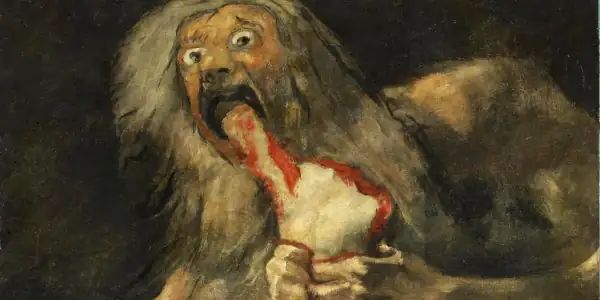
- “Saturn Devouring His Son” — Francisco de Goya
The story begins even before Olympus itself comes into being. Fearing a prophecy that foretold his own overthrow, the titan Cronos, known in Roman mythology as Saturn, devoured his children as soon as they were born. However, his youngest son, Zeus, managed to escape, defeated his father, and, together with his siblings, became the new rulers of the world. It is the gods of Olympus who will decide Odysseus’s fate: Athena will become his ally, while Poseidon will turn his return to Ithaca into a ten-year journey.
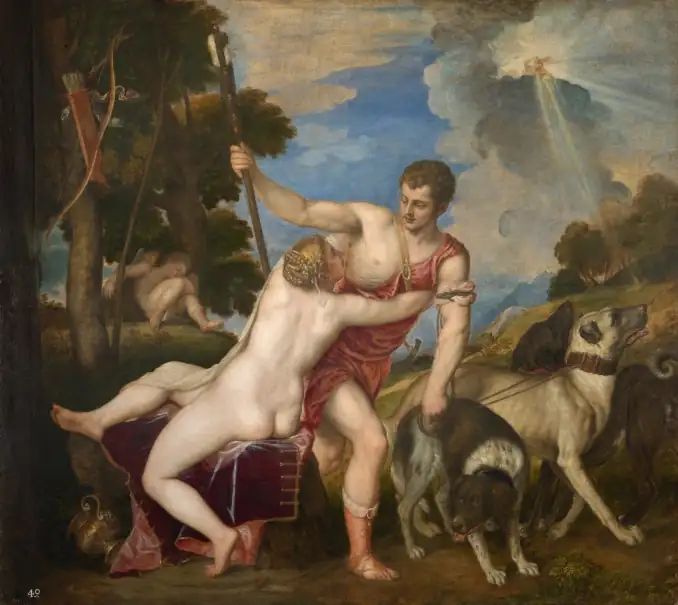
- “Venus and Adonis” — Titian
Although the events in the painting take place after the famous Judgment of Paris, it is Venus, the Aphrodite of Greek mythology, who becomes the key figure in the story that will lead to the Trojan War. To be chosen as the most beautiful and receive the golden apple inscribed “To the fairest,” the goddess promised Paris the love of the most beautiful woman in the world: Helen. Paris chose Venus and, soon after, took Helen to Troy. Thus, the decision of a mere mortal and the promise of a goddess changed the fate of an entire generation of heroes, including Odysseus himself.
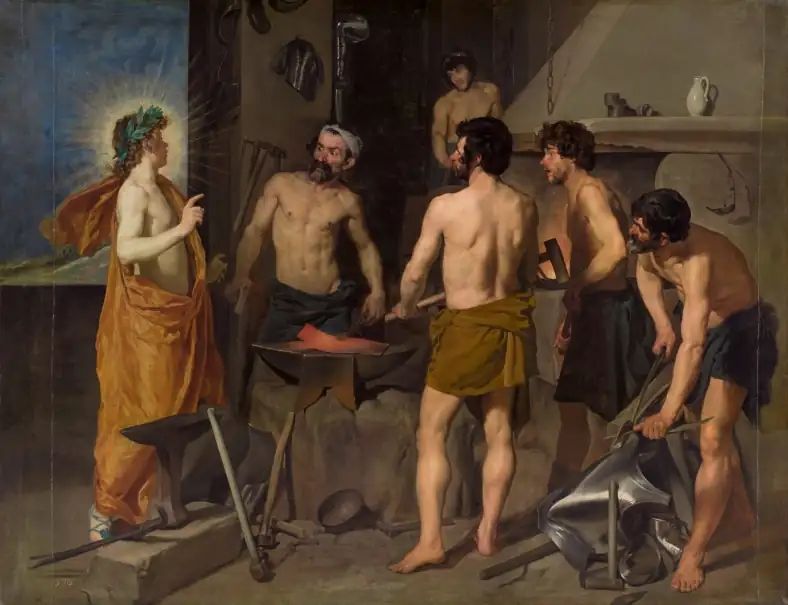
- “The Forge of Vulcan” — Diego Velázquez
The Trojan War was not only a battle between humans, but also a clash between gods. Some supported the Greeks, others the Trojans. In Velázquez’s painting, Apollo tells Vulcan, the Hephaestus of Greek mythology, the news of Venus’s infidelity, the Greek Aphrodite, reminding us just how much the gods of Olympus intervened in the fate of mortals. In the “Iliad,” Apollo becomes one of Troy’s main defenders: he sends a plague upon the Greek army and helps Paris fatally wound Achilles.
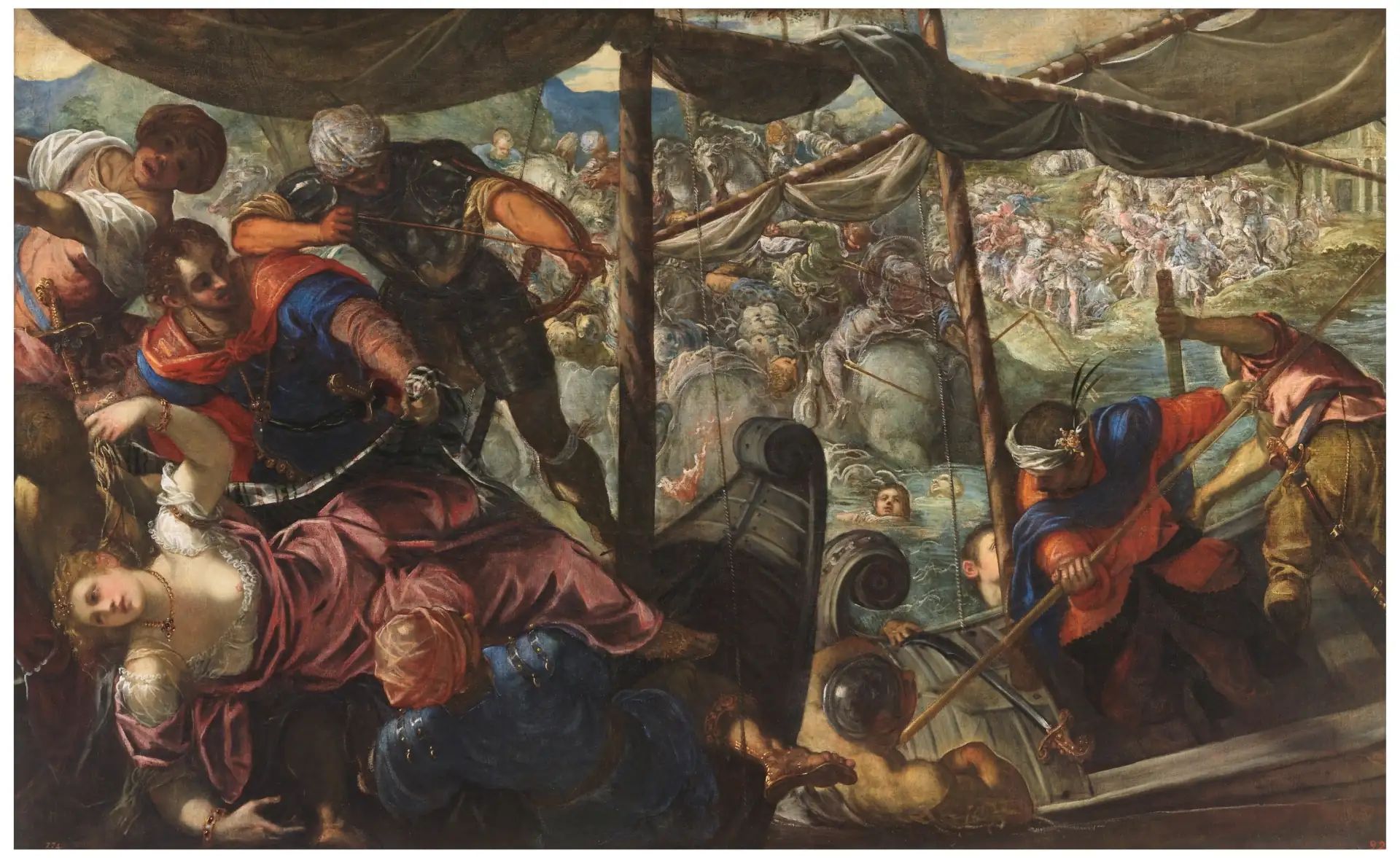
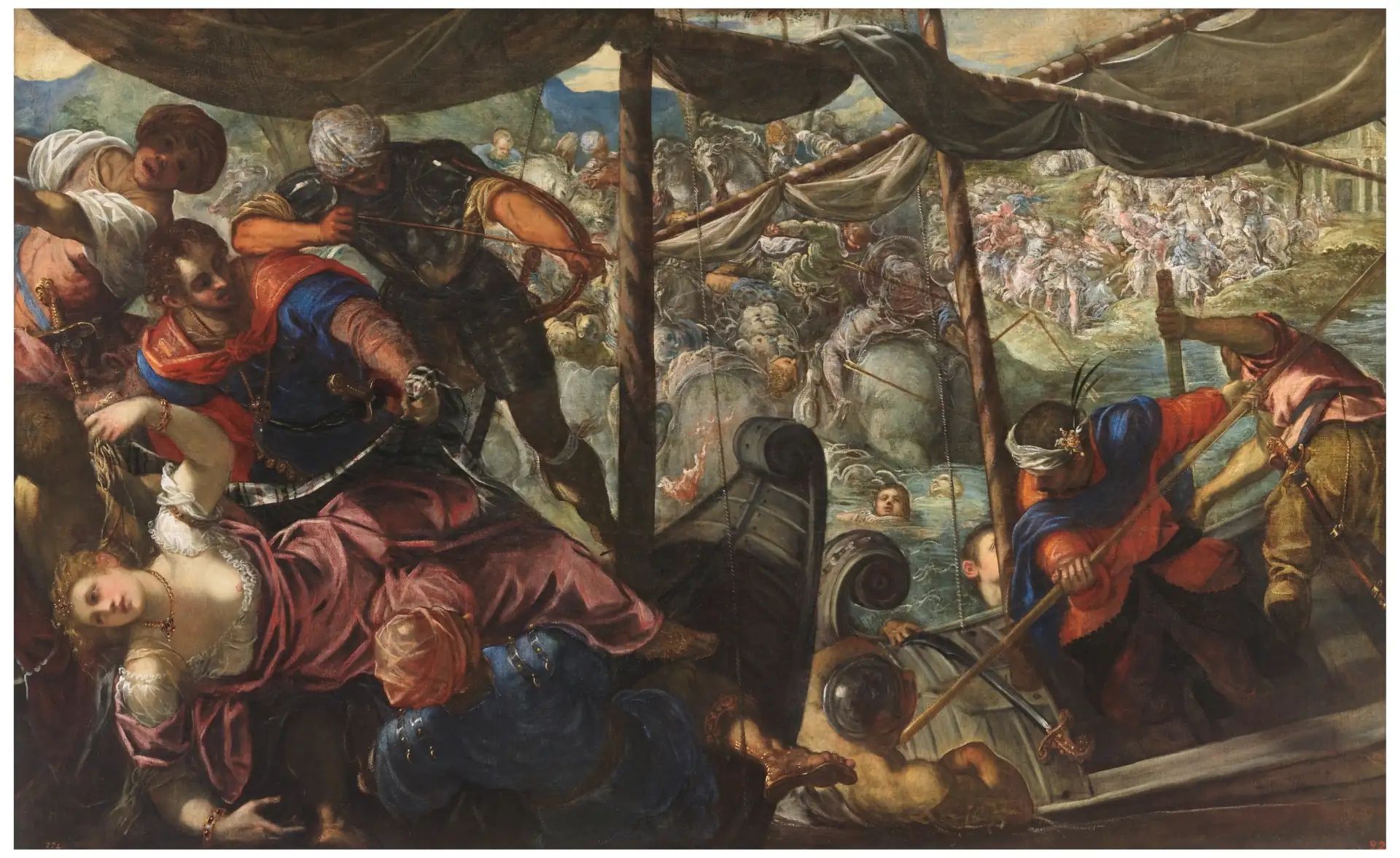
- “The Abduction of Helen” — Tintoretto
It is with this event that the legend without which the “Odyssey” would not exist begins. Paris takes Helen, wife of the Spartan king Menelaus, to Troy. Offended, the Greeks gather a huge army to recover Helen and, among their leaders, is the king of Ithaca, Odysseus. He expected a short campaign, but twenty years away from Ithaca awaited him.
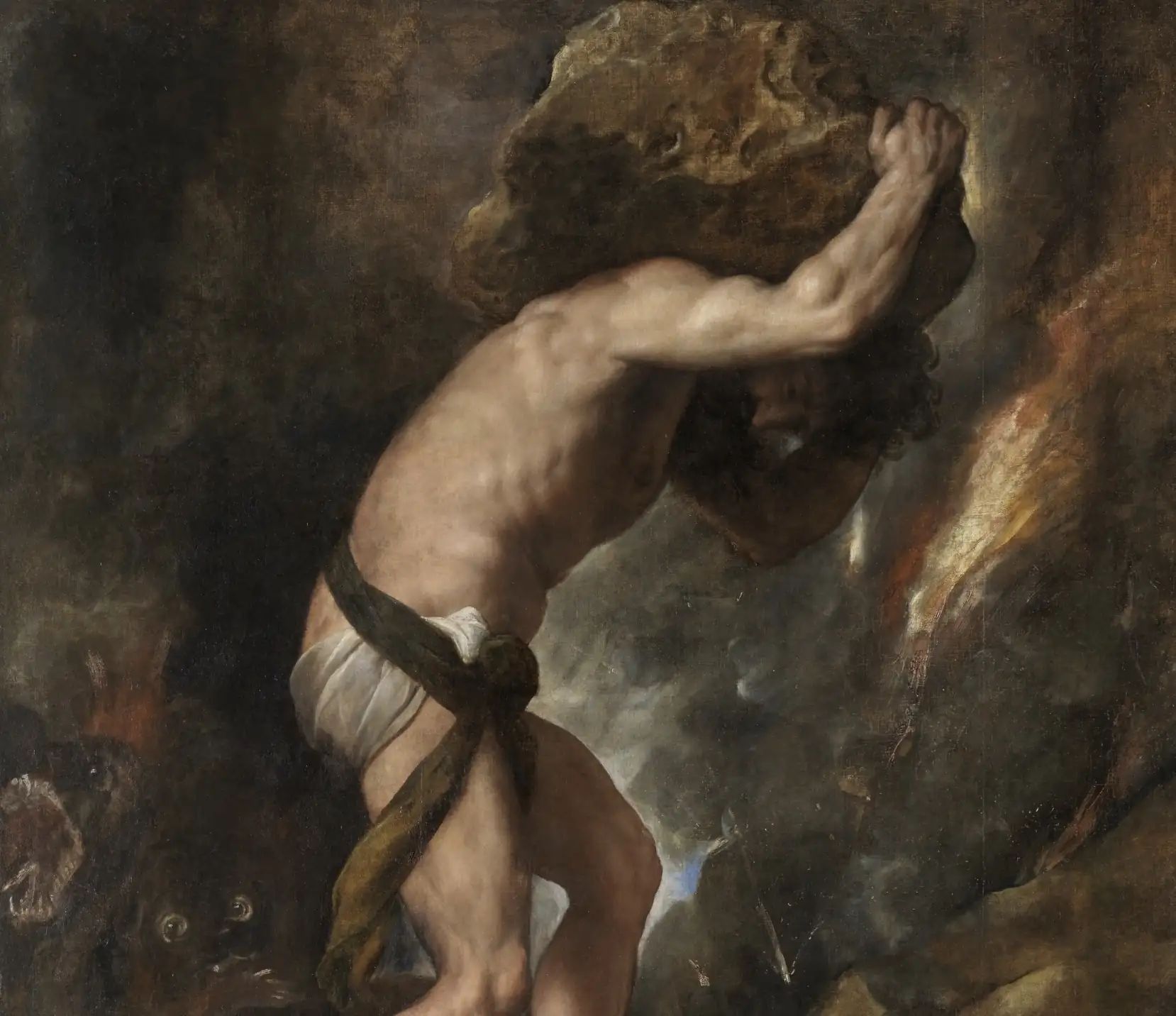
- “Sisyphus” — Titian
Instead of a peaceful return, Odysseus faces storms, monsters, and long journeys. One of the most enigmatic episodes is his descent into the realm of the dead, where the hero meets the souls of the departed. Among them is Sisyphus, condemned to endlessly push a huge boulder to the top of a hill. This image reminds us that no one can escape the punishment of the gods, no matter how great their strength or cunning.
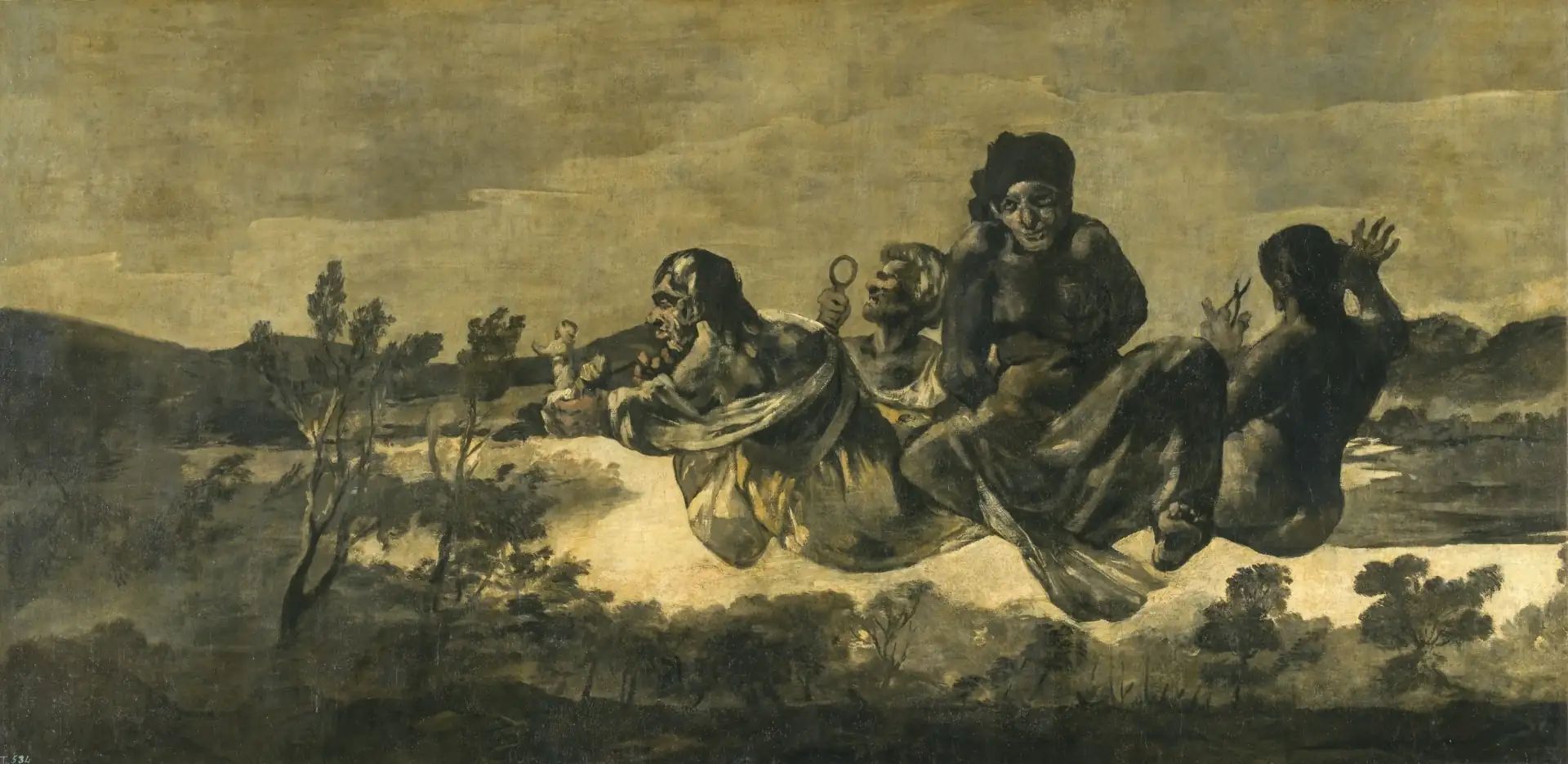
- “The Fates (Atropos)” — Francisco de Goya
Not even Odysseus could control his own destiny. In Greek mythology, the Moirai spun the fate of each person, determining how many trials they would have to overcome. The hero managed to survive the war, outwit the Cyclops Polyphemus, descend into the realm of the dead, and overcome countless dangers, but only because fate allowed him to return to Ithaca. That is why Odysseus’s journey is a story not only of bravery and ingenuity, but also of humanity’s eternal struggle against fate.