
Guide
Icons of urban art in Barcelona: discover the city’s street treasures

Barcelona is a living canvas for street-art expression, where the streets and walls are the galleries. Throughout the city, you can discover various iconic works of street art that have left their mark on urban culture.
In this guide
9 listed
- The Murals of the Raval
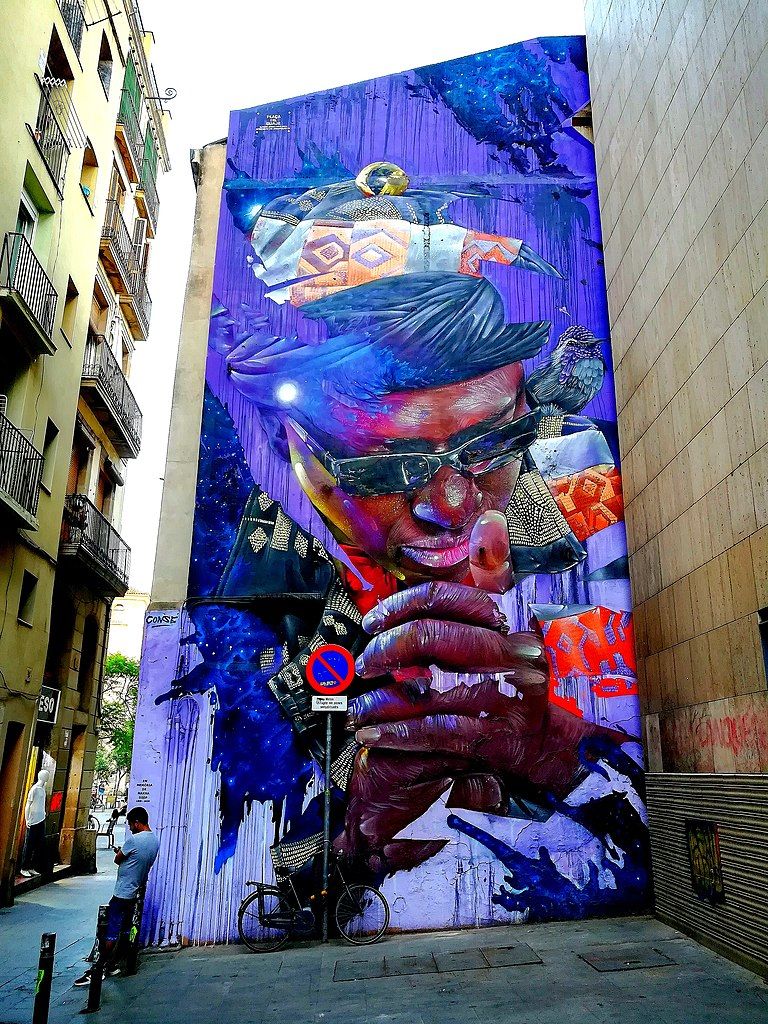
The Raval neighbourhood is home to a series of murals that tell local stories and convey social messages. Among them, the mural «Miguel de Cervantes» by Aryz stands out—an impressive work that highlights the importance of literature—as well as the «Mural en memòria de Makha Diop». You’ll also find frescoes here depicting women from different walks of life and from around the world.
- Mural «Fin de la función»
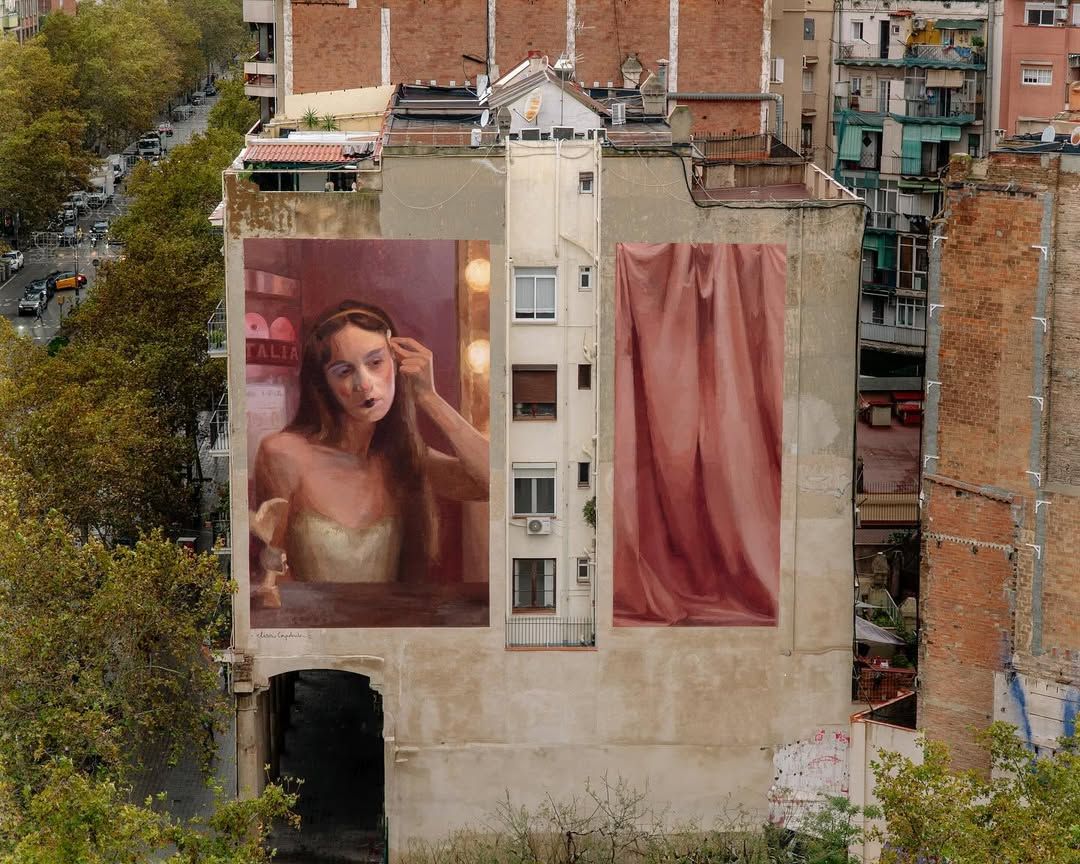
«Fin de la función» stands out as one of Barcelona’s grandest murals, paying tribute to the now-vanished Teatro Talía. Located in the heart of the city, this mural captures the essence of the final curtain of a play, evoking nostalgia for moments lived and the promise of new beginnings. The artist behind this work is Elisa Capdevila. Curated by @streetartbcn, this project is a tribute to the resilience and creativity of the local community.
Address Av. Paralel, 100 - Arnau Gallery
Arnau Gallery, located in the iconic space of the former Teatre Arnau in Barcelona, is a rotating mural gallery directed by Xavier Ballaz y Antoine Careil. This project aims to revitalise urban art by offering a dynamic platform for both emerging and established artists. Unlike other large-scale murals, Arnau Gallery features temporary works that reflect the fleeting nature of street art, while also supporting the neighbourhood’s cultural initiatives. In collaboration with the Plataforma Recuperem el Teatre Arnau and Montana Colors, the gallery has become a vital meeting point for artistic expression in the city.
Address Pl. Raquel Meller - Mural «Barco de los pueblos migrados»
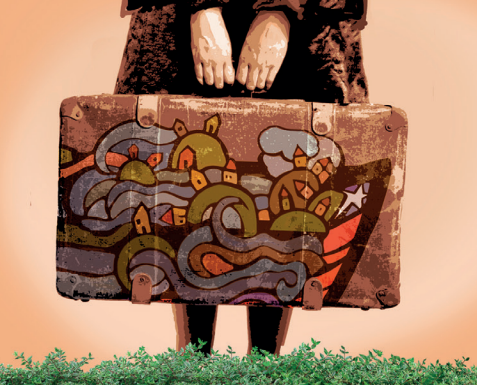
The new mural «Barco de los pueblos migrados» in Plaza de Pablo Neruda, near the Sagrada Familia, is a collaboration between Roc Blackblock y Alejandro Mono González. Commemorating the 120th anniversary of Pablo Neruda, this mural celebrates the connection between Barcelona and Chile. It represents exile through the image of a suitcase carrying memories of pain and hope, evoking the journey of the Winnipeg, which in 1939 transported Republican exiles from the Guerra Civil Española. The work, enriched with a soft colour palette, pays tribute to migrants and stands as a symbol of hope and resilience in the heart of Barcelona.
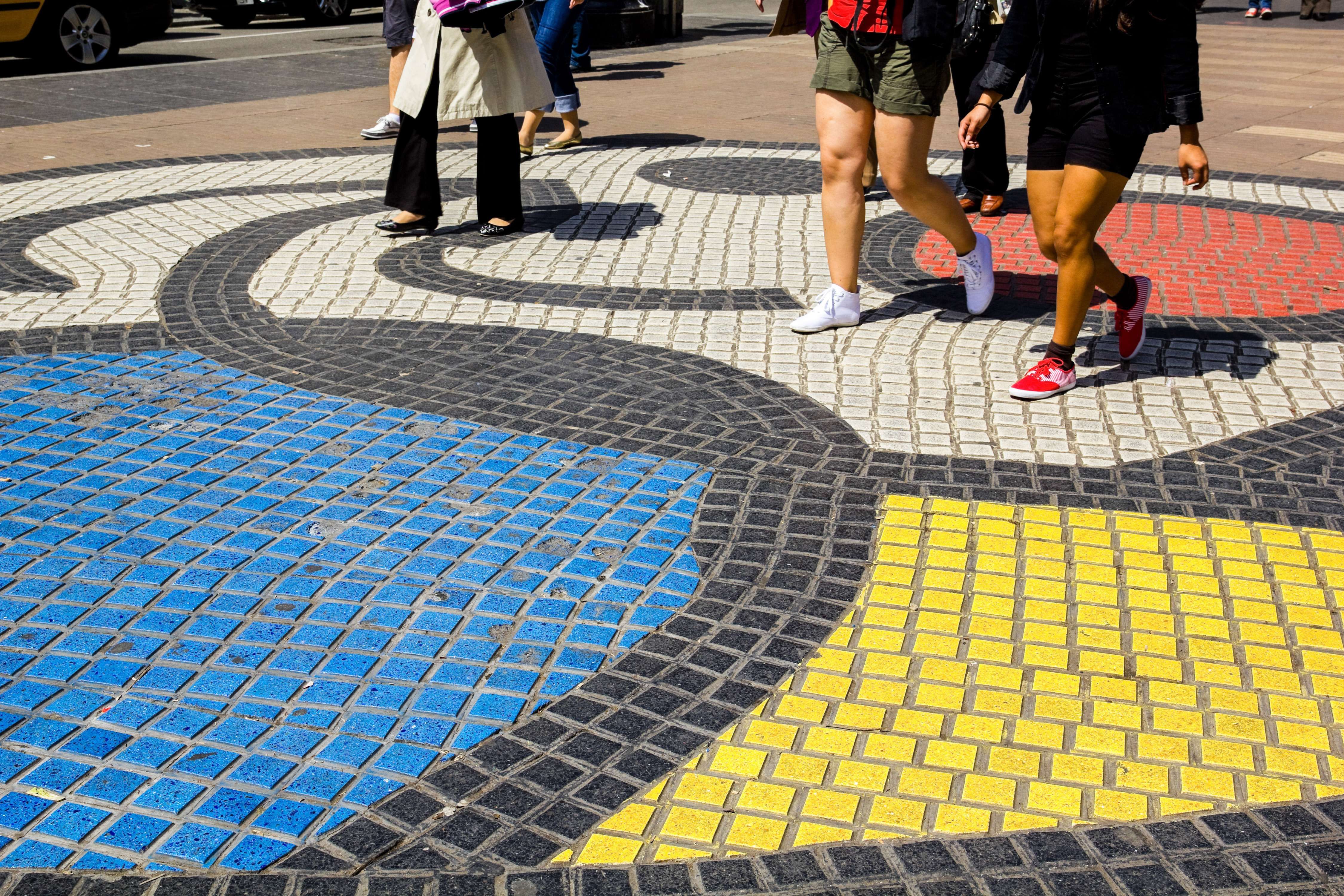
Address C/ Lepanto, 221 - The Joan Miró Mosaic
Located on La Rambla, this colourful mosaic by Joan Miró is a city icon. Its vibrant shapes and colours capture the artistic essence of Miró and attract both visitors and locals alike.
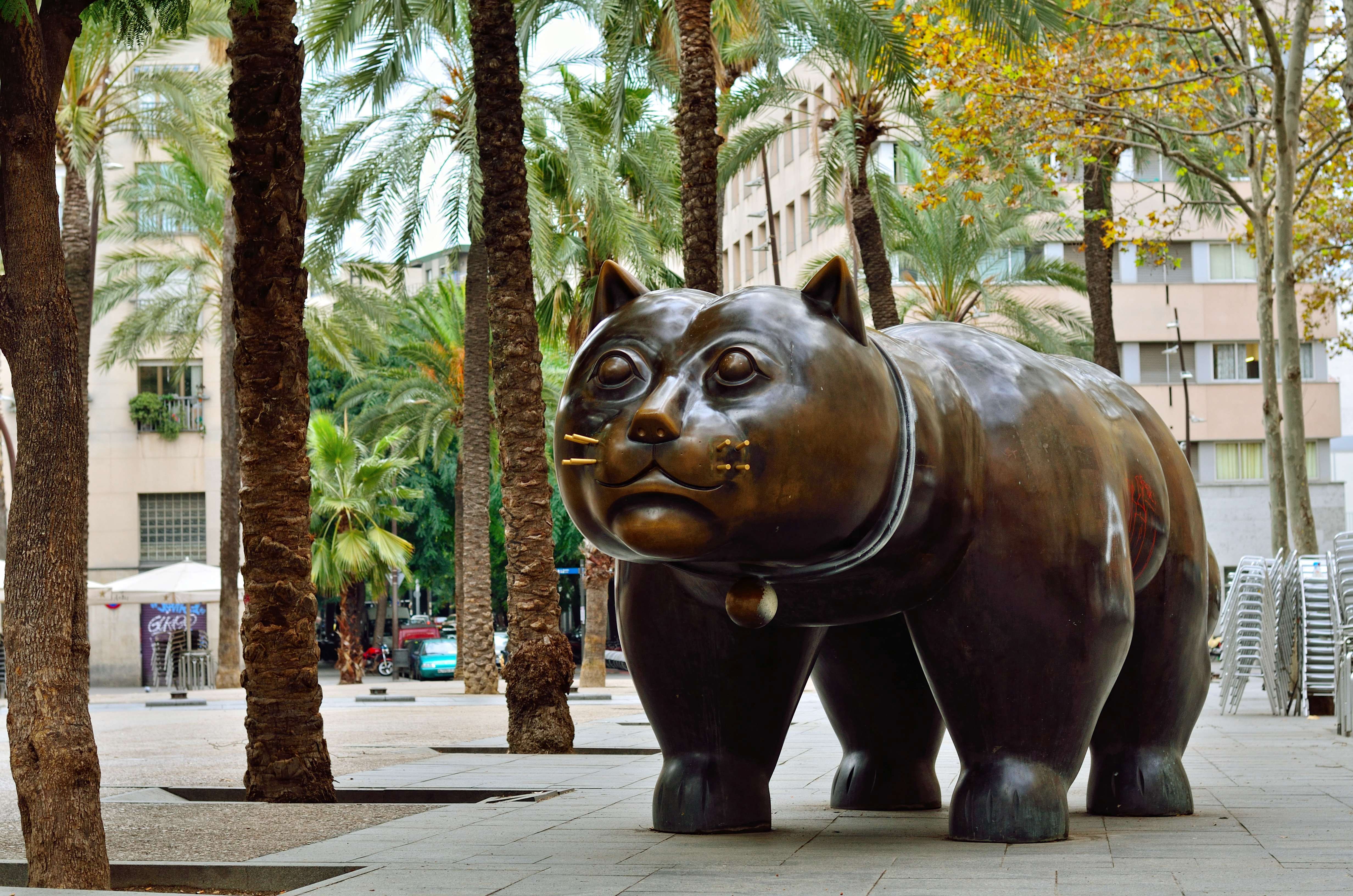
- The Gato del Raval (Gato de Botero)
A bronze sculpture created by Fernando Botero, depicting a large, rounded cat. This figure has become a distinctive symbol of the Raval and a must-see for art lovers.
- Mosaico del Beso in Plaza Isidre Nonell
In the heart of the Barrio Gótico, Plaza Isidre Nonell is home to a beautiful mosaic depicting a passionate kiss. This charming artwork adds a romantic touch to the area and has become a landmark for street art lovers in Barcelona.
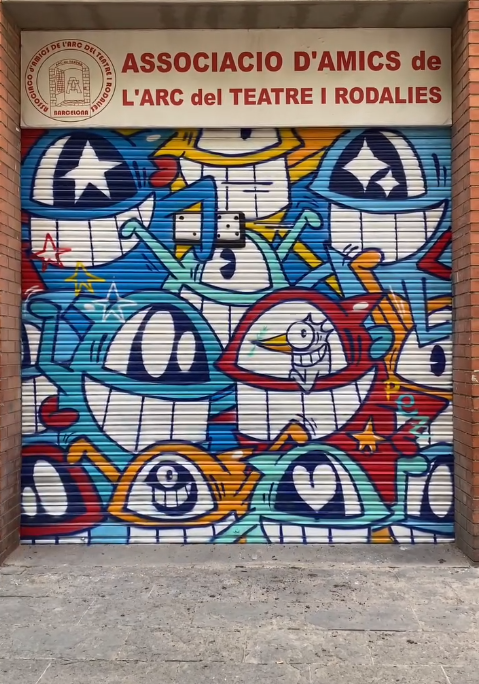
- The Graffiti de Pez
The artist Pez is famous for his iconic smiling fish, found in numerous corners of the city. This cheerful and colourful image reflects the positive spirit of street art. For example, you can find his work at Carrer de l'Arc del Teatre, 48 (Associació d'Amics de l'Arc del Teatre i Rodalies).
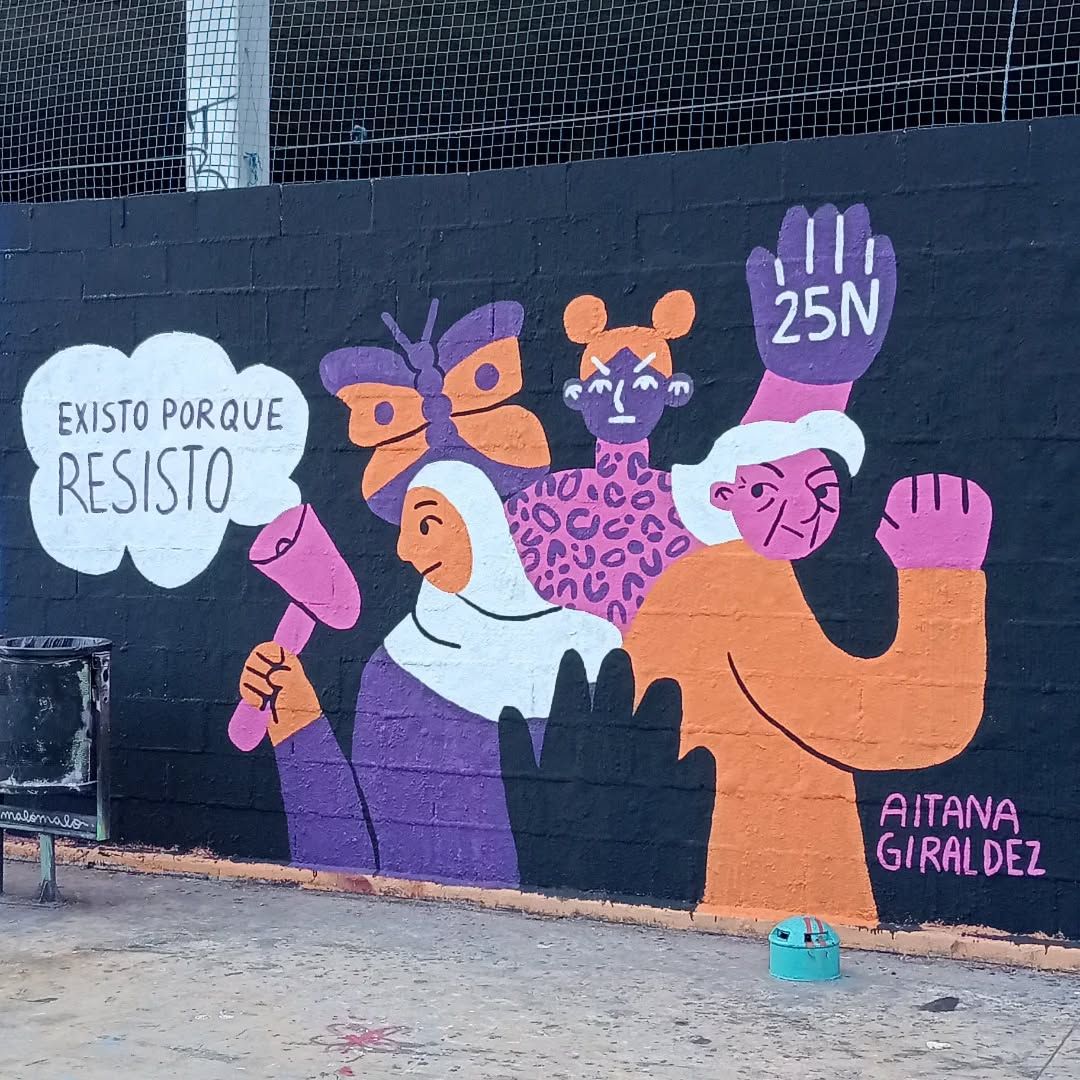
- Mural Against Violence Towards Women
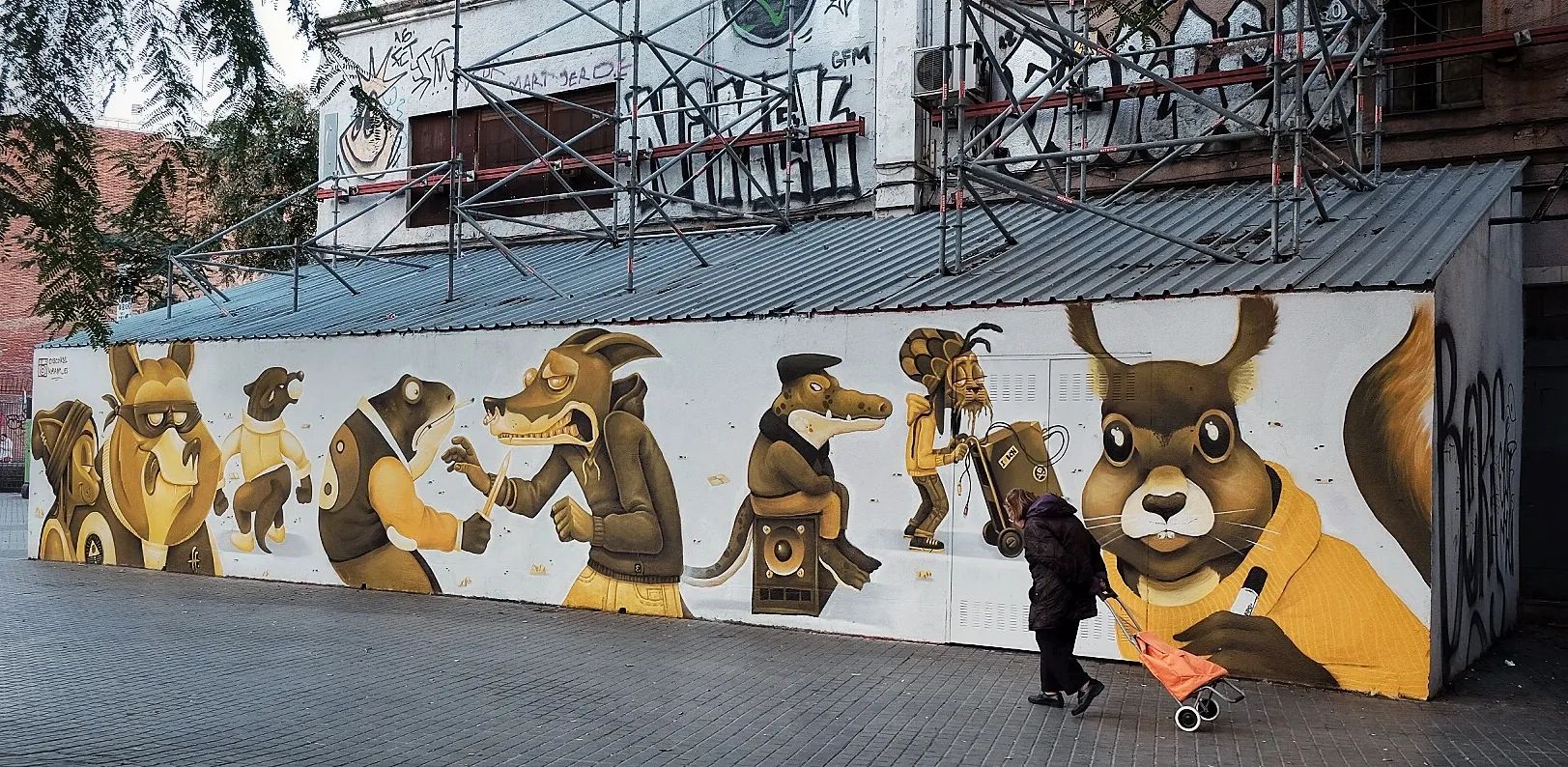
In the urban heart of the city, ten artists raise their voices against gender-based violence through a collective mural. Created to mark the Día Internacional for the Elimination of Violence against Women, this work aims not only to denounce this scourge but also to highlight the role of women in street art. Driven by Rebobinart as part of the Womart project, the initiative advocates for greater female representation in a male-dominated sector. The artists, led by Haribian Donés, emphasise the need to create safe spaces that allow for artistic expression and recognition without fear. This is a work that not only decorates, but also sparks dialogue and transformation.

Entries with their own DondeGo page show its English title. The rest appear as the guide lists them, in Spanish.